





The ecological transition places the Moroccan construction sector before a dual imperative: to adapt to new climate constraints while seizing opportunities linked to the green economy. This is one of the lessons from the report National Diagnosis on Jobs in the Green Economy in Morocco, developed by the International Labour Organization with support from the High Commissioner for Planning.
As a pillar of the national economy, construction represented nearly 5.9% of the total added value in 2021 and employed approximately 1.2 million people, accounting for over 11% of the active population. Despite still modest productivity, the sector has seen notable progress in recent years, driven by public and private investment. However, this dynamic now faces increasingly significant environmental constraints.
Exposure to climate risks represents a major challenge. Rising temperatures, water scarcity, and the increasing frequency of extreme weather events directly impact construction sites. Heat stress reduces work capacity and increases health risks, while floods and storms disrupt schedules and raise costs. Water tension particularly affects concrete production and certain industrial operations, with potentially significant impacts on the sector’s overall output.
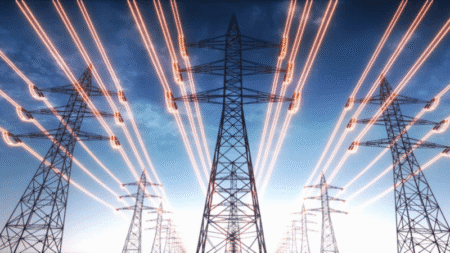
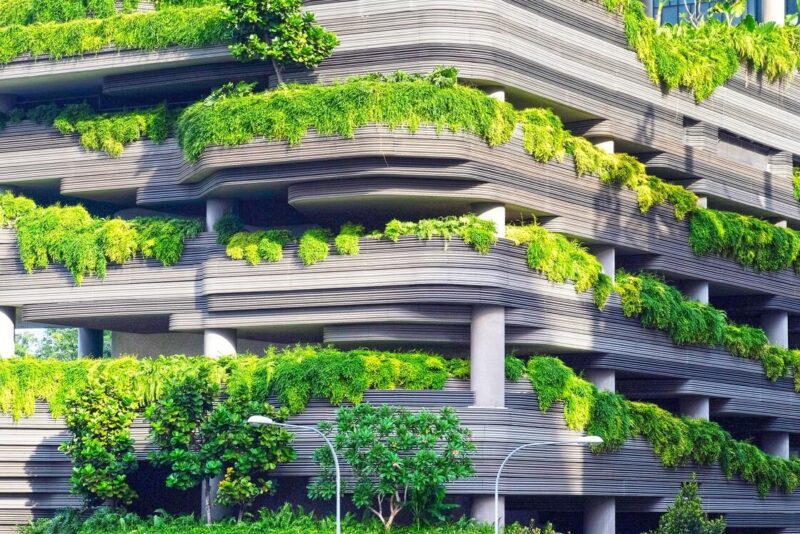
At the same time, the energy transition opens new perspectives. Strengthening energy efficiency standards, constructing more efficient buildings, and integrating renewable energy sources into real estate projects are all growth drivers. The development of sustainable materials, incorporating recycled waste or reducing dependence on imported inputs, could also structure new industrial sectors.
This transformation will have profound effects on employment. According to the report’s estimates, nearly 61% of jobs in the sector could be linked, directly or indirectly, to the green economy. A significant portion of the workforce will need to upskill to meet the demands of sustainable construction and climate resilience. Traditional trades will evolve, while new specializations will emerge in bioclimatic design, high-performance energy systems, thermal management, and environmental certification.
However, the transition also carries social risks. The construction sector remains characterized by a strong presence of informal and unskilled workers, particularly vulnerable to climate volatility and activity losses. Without appropriate training schemes, increased formalization of employment, and enhanced social protection, these populations could be severely affected by the ecological transformation.
Thus, the challenge goes beyond mere environmental performance. It involves orchestrating a transition capable of combining technical modernization, the creation of skilled jobs, and the protection of the most vulnerable workers. For the construction sector, the green transition seems less like an option and more like a structural reconfiguration set to redefine its productive and social models in the coming years.
With SNRTnews