

The Ministry of Energy Transition has launched an international prequalification process aimed at selecting operators to design and operate future national gas pipelines. This initiative marks the beginning of a strategic project to connect the gas terminals of Nador West Med to the Maghreb-Europe gas pipeline, before extending the network to the industrial zones of Kenitra and Mohammedia.
The procedure will follow a two-phase model in line with the framework of public-private partnership contracts. Candidates must demonstrate proven experience in constructing pressurized structures, executing complex civil engineering projects, as well as expertise in metering and safety systems. The Ministry emphasizes that only companies with strong technical and financial capabilities will be permitted to proceed to the next phase.
The administrative requirements align with the regulations set forth by the PPP law and its implementing decree. Companies must submit a dossier that includes their financial statements, references in gas transportation, technical approvals, and certifications related to specialized personnel. This dossier must be submitted no later than January 30, 2026, accompanied by an email address for the submission of digital documents.
The notice specifies that the future installations will require mastery of high technical parameters: the selection of steels suitable for high pressures, the safety of pipelines in seismic areas, shut-off points, regulating stations, cathodic protection devices, and remote supervision systems. Candidates must also present their welding methods, non-destructive testing techniques, and gas commissioning processes.
Bids will be opened on February 3 at 10 AM in a public session. This step will determine which operators can participate in the next phase and will be a key milestone in structuring the future gas network connecting the Mediterranean coast to the industrial hubs of the northwest.
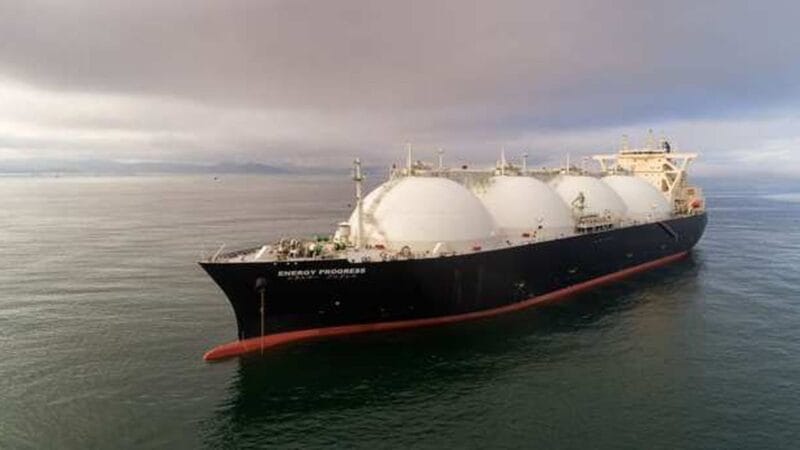
This prequalification follows an expression of interest launched in April for the establishment of a liquefied natural gas terminal near Nador. This will take the form of a floating storage and regasification unit integrated into the Nador West Med port. The facility will enhance import capacities, currently estimated at 0.5 billion cubic meters per year through Spanish terminals.
Ministerial projections estimate that national needs will reach around eight billion cubic meters by 2027. At the same time, the National Office of Electricity and Drinking Water has initiated a 2025-2030 program aimed at increasing installed electricity capacity to fifteen gigawatts, of which thirteen will come from renewable energies. This plan represents an investment of approximately 120 billion dirhams and complements the strategy to diversify national energy supply.