

Close Menu
Greentimes
    Qoui de neuf

    Child Protection: ONDE Evaluates Its 2025 Performance and Strengthens Its Partnership Network

    31 March 2026

    Human Development: Rabat Highlights Morocco’s Progress and Measurement Challenges

    31 March 2026

    Green EMI Expo 2026: Rabat at the Forefront of Sustainable Innovation

    30 March 2026
    Facebook X (Twitter) Instagram
    GreentimesGreentimes
    • Home
    • CSR
    • Energy Transition and Renewables
    • Sustainability
    • Climate Change
    • Analyses and Opinions
    • Datas
    • Dates & events
    • Last news
    • FR
    Wednesday 5 August 2026
    Facebook X (Twitter) Instagram
    Greentimes
    Home » Water: After seven years of drought, Morocco’s water reserves are being replenished
    Climate Change

    Water: After seven years of drought, Morocco’s water reserves are being replenished

    30 December 2025No Comments2 Mins Read
    Facebook Twitter Pinterest LinkedIn Tumblr Reddit WhatsApp Email
    Share
    Facebook Twitter LinkedIn Pinterest WhatsApp Email

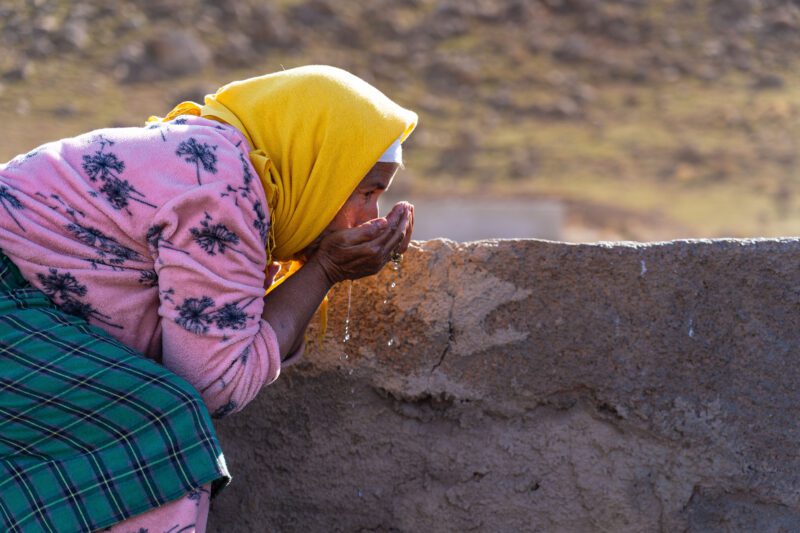
    After more than seven consecutive years of water deficit, Morocco is witnessing a notable improvement in its water resource situation. Heavy rainfall observed in recent months, combined with significant snowmelt, has resulted in a substantial replenishment of national water reserves, providing the country with a valuable reprieve after a period marked by intense water stress.

    According to data relayed by the daily newspaper Assabah, the overall filling rate of reservoirs has reached approximately 38%, an increase of 33 percentage points compared to the same period last year. The mobilized water reserves now stand at nearly 7 billion cubic meters, up from around 4.8 billion a year earlier. Cumulative water contributions reached over 1.58 billion cubic meters by the end of December, leading to a noticeable improvement in levels across most of the country’s water basins.

    This development marks a turning point after a prolonged drought that heavily impacted water resources, agriculture, and livestock. Rainfall has affected the entire national territory, while snowfall has been particularly significant in mountainous areas, especially in the Middle and High Atlas. These snow contributions are expected to sustainably feed springs and rivers, while rejuvenating pastures, essential for pastoral activities.

    The situation is particularly remarkable in several major water basins. The Sebou basin, the largest in the country, shows a volume of nearly 2.6 billion cubic meters, accounting for about 40% of national water resources, with a filling rate significantly above its nominal capacity. The Loukkos basin has also seen significant improvement, storing over one billion cubic meters and boasting a filling rate exceeding 56%. The Bouregreg basin is approaching a filling rate of 87%, while the Oum Er-Rbia basin, which has been severely affected in recent years, is gradually recovering to more reassuring levels.

    This replenishment of reserves provides Morocco with strategic leeway in managing its water policies. It allows for a more confident approach to ongoing or planned structuring projects, such as the development of desalination stations, modernization of hydraulic networks, and construction of new dams.

    While this water reprieve presents an opportunity, authorities are urged to continue efforts in rationalizing water use and preserving ecosystems. In the context of climate change and growing demands, this improvement, although significant, is viewed as a favorable window to enhance the country’s water resilience and consolidate its food security in the medium and long term.

    With Assabah

    agriculture: climate change desalination drought: food security hydraulic basins precipitation reservoirs snowmelt water resources
    Previous ArticleCDN 3.0: Morocco Facing the Challenge of Structural Adjustments to Achieve Its Climate Objectives
    Next Article Off-Grid Solar: Morocco Establishes Itself as an African Leader in Sustainability

    Related Posts

    Sustainable Irrigation: The World Bank Establishes the “Moroccan Model” as a Global Reference

    27 March 2026

    Bayer Crop Science Implements Its “Invictus” Strategy for North Africa

    27 March 2026

    Fertilizers: The Alarm Call from American Farmers in Favor of OCP

    26 March 2026
    Leave A Reply Cancel Reply

    Ne ratez pas
    CSR

    Child Protection: ONDE Evaluates Its 2025 Performance and Strengthens Its Partnership Network

    31 March 20260

    The National Observatory for Children’s Rights (ONDE) held its annual meeting in Rabat, presided over…

    Human Development: Rabat Highlights Morocco’s Progress and Measurement Challenges

    31 March 2026

    Green EMI Expo 2026: Rabat at the Forefront of Sustainable Innovation

    30 March 2026

    Sustainable Irrigation: The World Bank Establishes the “Moroccan Model” as a Global Reference

    27 March 2026
    Restez connecté
    • Facebook
    • Twitter
    • Pinterest
    • Instagram
    • YouTube
    • Vimeo
    Nos vidéos

    The circular economy at the heart of LabelVie group’s initiatives.

    10 July 2025

    Mounir El Bari: “Our great ecological challenge is access to the resource!”

    10 July 2025

    Driss Nahya: “Control must be strengthened to access the waste deposit.”

    10 July 2025

    Reda Boukallal: “Priority to the valorization of household waste”

    10 July 2025
    Facebook X (Twitter) Instagram Pinterest
     
    © 2026 Green Times.

    Type above and press Enter to search. Press Esc to cancel.