



Breathing clean air, accessing drinking water, and living in a safe and balanced environment are now recognized as fundamental human rights. Since 2022, this right has been recognized as universal by the United Nations. In Morocco, this recognition is part of a dynamic that has been underway for over a decade, with constitutional acknowledgment as early as 2011, affirming the right of every citizen to a preserved environment and the state’s responsibility to ensure its protection.
At the heart of this approach is the concept of environmental justice. It is based on a fundamental principle: ensuring that ecological challenges do not exacerbate existing inequalities. While the effects of pollution, water scarcity, and soil degradation affect the entire territory, their consequences are more severe in rural areas and disadvantaged neighborhoods, where capacities for prevention and adaptation are limited.
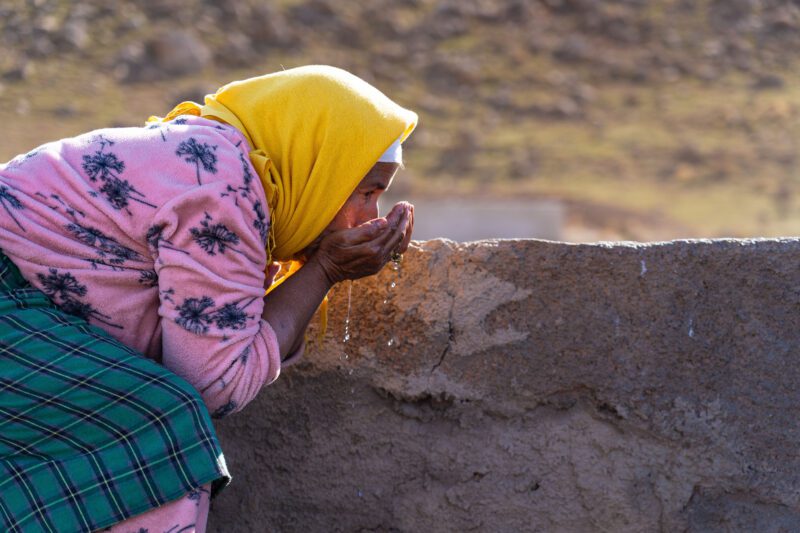
Prolonged droughts, agricultural land erosion, and disparities in waste management heighten these vulnerabilities. In many rural regions, access to drinking water remains a daily constraint, often a burden carried by women, who are directly affected by the collection and domestic management of this resource. Environmental justice, therefore, aims to establish genuine equity so that the benefits of sustainable development serve everyone, without distinction based on territory, gender, or income level.
For over a decade, Morocco has established itself as a committed regional player in the green transition. From hosting COP22 in Marrakech to implementing structural policies such as the National Sustainable Development Strategy, the Kingdom has chosen a model focused on sustainability, energy efficiency, and the preservation of natural resources.
This direction reflects a long-term vision, seeking to reconcile economic growth with environmental respect. However, the success of this transition is not limited to investments or infrastructure. It is also measured by the country’s ability to concretely guarantee the environmental rights of the entire population through inclusive policies, strong institutions, and heightened citizen awareness.
In this context, the United Nations Development Programme (UNDP) supports Morocco in embedding environmental justice at the core of public policies and daily practices. Its actions are organized around several complementary levers.
The first aims to make environmental law accessible to the largest number of people. This is reflected in the development of a digital guide dedicated to Moroccan environmental laws, aimed at universities, administrations, and associations, to facilitate understanding and advocacy for these rights. In parallel, awareness workshops are organized in various high schools and regions, aiming to familiarize young people with sustainability issues and environmental law.
A second focus is on strengthening institutions and national capacities. In partnership with the Interministerial Delegation for Human Rights, the UNDP supports the training of public actors to improve monitoring, governance, and reporting related to environmental rights, integrating a gender and inclusion perspective.
Finally, encouraging citizen and community participation is an essential pillar of this approach. The UNDP supports local organizations and youth associations to play an active role in awareness-raising and advocacy at the local level, promoting solutions tailored to local climatic and social realities.
Making the right to a healthy environment a tangible reality involves establishing the foundations of a renewed social contract between the state, institutions, and society. This implies recognizing that the protection of nature, sustainable resource management, and the fight against pollution are essential conditions for human dignity, public health, and collective prosperity.
While significant progress has already been made, the process remains a work in progress. Each initiative, training, and public policy contributes to this goal, as do individual actions. Staying informed, participating in local projects, adopting eco-responsible behaviors, or raising awareness among peers are all means of engagement.
At UNDP Morocco, the belief is clear: there can be no sustainable human development without environmental justice. Protecting the environment means protecting human rights, and realizing the right to a healthy environment ensures that present and future generations can thrive in a safe, equitable, and sustainable living environment.
Source: undp.org