


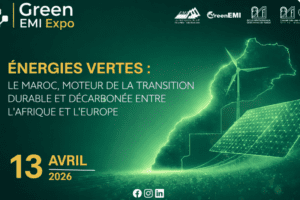




While the Kingdom initially aimed for 2030 to achieve 52% renewable energy in its electrical mix, recent government statements confirm that this goal could be reached as early as 2026. This marks a strong indication of the maturity of Morocco’s energy transition, but also highlights the technical and financial challenges ahead.
Today, Morocco stands out as a continental pioneer in energy transition. Thanks to proactive planning and sustained investments, the country is on track to reach a threshold of 52% renewable energy in its electrical mix by 2026, four years ahead of the original target. This achievement builds on a diversification policy that began over fifteen years ago, with the emergence of integrated complexes like Noor Ouarzazate, Midelt, and Tarfaya, as well as a regulatory framework that encourages public-private partnerships.
This ambition reflects the royal vision of a sovereign, resilient, and innovation-driven Morocco. The momentum is supported by the growing capacity of solar and wind energy, which already represents nearly 40% of the installed capacity. The country is also focusing on the flexibility of its electrical grid and the establishment of storage infrastructures, essential for stabilizing the intermittent production of green energy.
However, challenges remain numerous. Connecting remote sites, strengthening regional interconnections, and managing peak demand require substantial investments. The ongoing electricity market reform must also encourage greater participation from the private sector. Ultimately, this acceleration will not only reduce dependence on fossil fuel imports but also position Morocco as a net exporter of clean energy to Europe and West Africa.


