




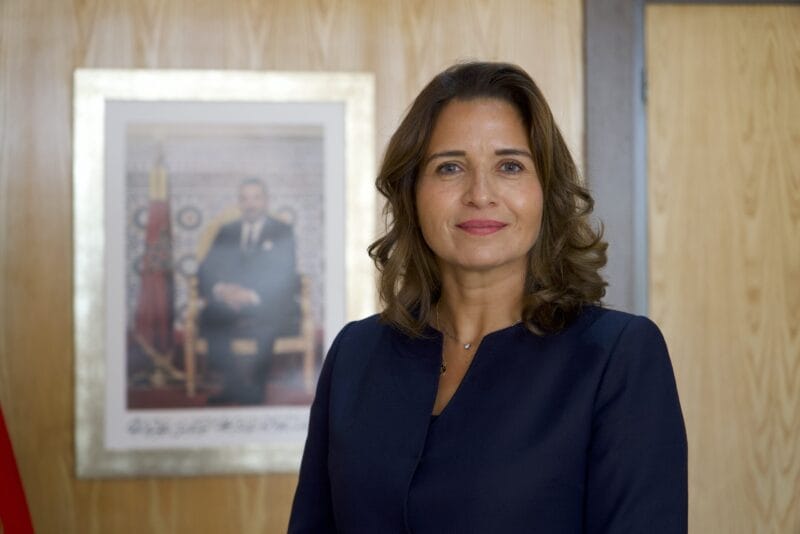
For Morocco, the energy issue goes beyond mere supply security. It now intersects with economic competitiveness, industrial attractiveness, and national sovereignty. In this context, the Minister of Energy Transition and Sustainable Development, Leila Benali, emphasized a crucial factor: the cost of energy.
In an international environment marked by market instability, geopolitical tensions, and the accelerated climate transition, the minister advocates for an approach centered on cost control, renewable energy development, and infrastructure enhancement.
Morocco has been gradually transforming its energy model over the past several years. Renewable energies now constitute a significant portion of installed electrical capacity, and investments planned for 2030 aim to accelerate this momentum. A substantial share of the new capacities is expected to come from renewable sources, alongside a parallel effort focused on electricity transmission and distribution networks.
For Leila Benali, the energy transition should not be perceived as a mechanical driver of price increases. On the contrary, she believes that the competitiveness of the system hinges on better governance, infrastructure modernization, and sector reforms that reduce structural costs.
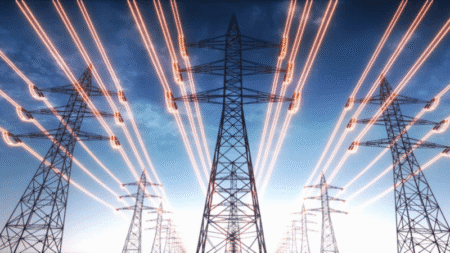
In this regard, the minister highlights that the main challenge now lies not just in energy production, but in the network’s capacity to absorb the increase in solar and wind capacities. Strengthening electric transport, utilizing storage, and improving system management are among the announced priorities.
She also emphasizes the importance of regional integration, asserting that Morocco can leverage its geographical position to establish itself as an energy corridor between Africa and Europe.
Regarding green hydrogen, the minister advocates for a phased approach, structured around a governance framework, mobilizable land, and an industrial logic focused particularly on producing green ammonia. The stated goal is to eventually develop a competitive and structured sector.
The connection between energy and water is also central to this strategy. The development of desalination is presented as a major axis to address water stress, with the ambition to power future facilities using renewable energies to minimize water production costs.
However, Leila Benali acknowledges that several constraints remain, particularly related to land issues, project timelines, and skills mobilization. She considers the capacity for execution and investment in human capital as one of the main challenges.
Concerning natural gas, the minister asserts that ongoing projects, including the gas terminal, remain strategic, while also undergoing technical adjustments to ensure their viability.
Through this lens, Moroccan energy policy emerges as a strategy built around a common goal: to have competitive energy capable of supporting industrial development, enhancing the country’s resilience, and solidifying its economic sovereignty.