



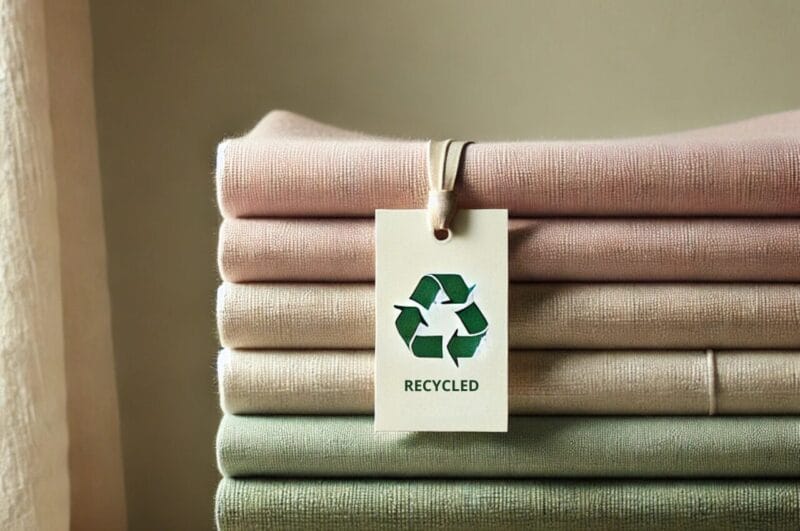
After a successful initial phase, the International Finance Corporation (IFC) is launching a new stage of the Morocco Textile Circularity Project (MoroccoTex), aimed at transforming post-industrial waste from the textile sector into a structured economic resource. The goal is to strengthen the coordination of the industry, attract new investors, and further integrate women into technical professions.
Since its launch, MoroccoTex has already tested pilot operations on the recycling of cotton and polyester and mapped the collection ecosystem in Tangier. Building on these lessons, the IFC is implementing a large-scale phase that will mobilize specialized expertise to support the practical application of circular models in factories and throughout the value chain.
Specifically, this phase involves consolidating the data collected during the pilots to translate them into operational recommendations for public policies and investors. A communication plan will accompany the project, aiming to highlight MoroccoTex to national and international stakeholders.
In a context where the European clothing market remains dominated by Asian suppliers and faces ongoing price pressures, Morocco maintains its 8th position among EU suppliers in the first nine months of 2025, focusing on mid and high-end products to differentiate itself.
Training and Skills Development
MoroccoTex plans to strengthen in-factory training to embed circular practices into daily operations. Modules will be rolled out for collectors, recyclers, and factory workers, covering sorting, segregation, and material flow management. The objective is to ensure uniform application of methods and disseminate best practices among all stakeholders in the industry.
At the same time, experts will work on data consolidation, monitoring flows, defining collection circuits, and calculating greenhouse gas emissions. They will also produce case studies, success stories, and communication materials to showcase the project’s impact and encourage new investments.
Inclusion and Gender
A strategic component of the program is to integrate gender-sensitive approaches. The training will aim to increase women’s participation in technical roles and leadership positions, contributing to a more inclusive industry.
Outlook and Impact
By establishing a reliable supply system for recyclable materials, MoroccoTex aims to create a competitive and structured textile recycling market capable of attracting investments in spinning, weaving, dyeing, recycling, and manufacturing. The initial phase of the project had already laid the groundwork: the creation of the Textile Circularity Exchange, tests on recycling cotton and polyester scraps, development of a sorting manual, and mapping of stakeholders in Tangier.
With this new phase, the IFC reinforces its commitment to a sustainable, circular, and inclusive Moroccan textile industry while positioning the country as a regional hub for innovation and investment in recycling.
With Le Matin