

Close Menu
Greentimes
    Qoui de neuf

    Child Protection: ONDE Evaluates Its 2025 Performance and Strengthens Its Partnership Network

    31 March 2026

    Human Development: Rabat Highlights Morocco’s Progress and Measurement Challenges

    31 March 2026

    Green EMI Expo 2026: Rabat at the Forefront of Sustainable Innovation

    30 March 2026
    Facebook X (Twitter) Instagram
    GreentimesGreentimes
    • Home
    • CSR
    • Energy Transition and Renewables
    • Sustainability
    • Climate Change
    • Analyses and Opinions
    • Datas
    • Dates & events
    • Last news
    • FR
    Wednesday 5 August 2026
    Facebook X (Twitter) Instagram
    Greentimes
    Home » Pasta and Rice with No Expiration Date: A Way to Reduce Food Waste
    Sustainability

    Pasta and Rice with No Expiration Date: A Way to Reduce Food Waste

    13 February 2026No Comments2 Mins Read
    Facebook Twitter Pinterest LinkedIn Tumblr Reddit WhatsApp Email
    Share
    Facebook Twitter LinkedIn Pinterest WhatsApp Email

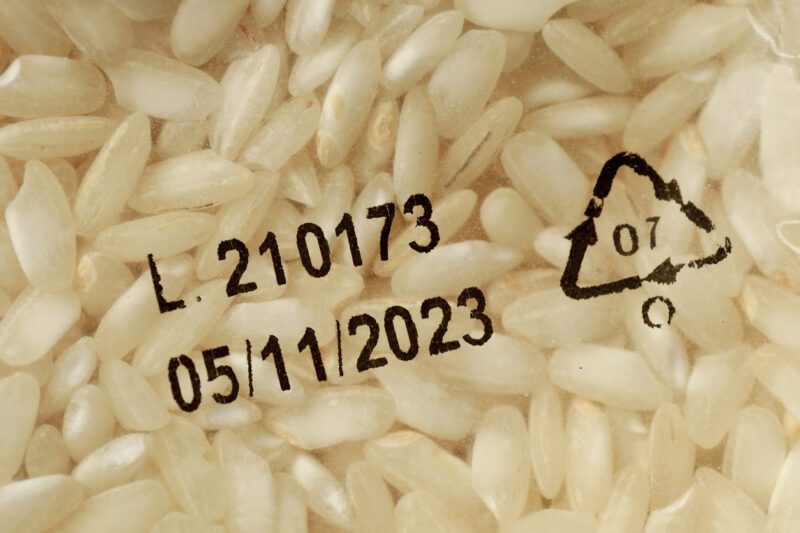
    The end of minimum shelf life dates on certain everyday dry products could soon enter the political debate. The General States of Food Waste, launched in 2025 by Deputy Guillaume Garot, propose removing date labels from items like pasta, rice, or cereals, which are considered safe to consume for extended periods without health risks.

    Presenting the conclusions of this work to the National Assembly, the elected representative defended a commonsense measure, reminding that products such as sugar, vinegar, or coarse salt are already exempt from date labels. According to him, the presence of a minimum shelf life date fosters persistent confusion among consumers, who too often equate this indication with a strict expiration date, leading to the disposal of perfectly edible food.

    The issue is far from marginal. The General States estimate that each French person wastes an average of 135 euros worth of food each year, which is nearly two weeks’ worth of their food budget. A significant portion of this waste is linked to misinterpretation of the dates on packaging, particularly for dry products, whose quality may decline over time, without compromising food safety.

    The proposals are compiled in a “2030 Agenda” that aims to lead to legislative action in the spring. They include the desire to evolve European regulations to broaden the list of products exempt from minimum shelf life dates, a point welcomed by representatives of major retailers, who emphasize the absence of health risks for these items.

    Beyond this emblematic measure, the General States advocate for a strengthening of food education, the development of incentives for donation rather than destruction of unsold goods, and the implementation of large-scale awareness tools. The removal of dates from pasta and rice would thus be part of a broader strategy aimed at sustainably reducing food waste and changing consumption habits.

    consumer awareness donation incentives education" European regulation food safety food waste legislation pantry staples public policy sustainability:
    Previous ArticleMorocco has 4,215 hectares of organic olive groves, according to the global olive oil panorama.
    Next Article E-fuels and Hydrogen: Rabat at the Heart of the Global Dialogue on Decarbonized Mobility

    Related Posts

    Child Protection: ONDE Evaluates Its 2025 Performance and Strengthens Its Partnership Network

    31 March 2026

    Human Development: Rabat Highlights Morocco’s Progress and Measurement Challenges

    31 March 2026

    Green EMI Expo 2026: Rabat at the Forefront of Sustainable Innovation

    30 March 2026
    Leave A Reply Cancel Reply

    Ne ratez pas
    CSR

    Child Protection: ONDE Evaluates Its 2025 Performance and Strengthens Its Partnership Network

    31 March 20260

    The National Observatory for Children’s Rights (ONDE) held its annual meeting in Rabat, presided over…

    Human Development: Rabat Highlights Morocco’s Progress and Measurement Challenges

    31 March 2026

    Green EMI Expo 2026: Rabat at the Forefront of Sustainable Innovation

    30 March 2026

    Sustainable Irrigation: The World Bank Establishes the “Moroccan Model” as a Global Reference

    27 March 2026
    Restez connecté
    • Facebook
    • Twitter
    • Pinterest
    • Instagram
    • YouTube
    • Vimeo
    Nos vidéos

    The circular economy at the heart of LabelVie group’s initiatives.

    10 July 2025

    Mounir El Bari: “Our great ecological challenge is access to the resource!”

    10 July 2025

    Driss Nahya: “Control must be strengthened to access the waste deposit.”

    10 July 2025

    Reda Boukallal: “Priority to the valorization of household waste”

    10 July 2025
    Facebook X (Twitter) Instagram Pinterest
     
    © 2026 Green Times.

    Type above and press Enter to search. Press Esc to cancel.