

Close Menu
Greentimes
    Qoui de neuf

    Child Protection: ONDE Evaluates Its 2025 Performance and Strengthens Its Partnership Network

    31 March 2026

    Human Development: Rabat Highlights Morocco’s Progress and Measurement Challenges

    31 March 2026

    Green EMI Expo 2026: Rabat at the Forefront of Sustainable Innovation

    30 March 2026
    Facebook X (Twitter) Instagram
    GreentimesGreentimes
    • Home
    • CSR
    • Energy Transition and Renewables
    • Sustainability
    • Climate Change
    • Analyses and Opinions
    • Datas
    • Dates & events
    • Last news
    • FR
    Thursday 13 August 2026
    Facebook X (Twitter) Instagram
    Greentimes
    Home » Desalination of seawater: energy-consuming but essential?
    Sustainability

    Desalination of seawater: energy-consuming but essential?

    9 September 2024No Comments2 Mins Read
    Facebook Twitter Pinterest LinkedIn Tumblr Reddit WhatsApp Email
    Share
    Facebook Twitter LinkedIn Pinterest WhatsApp Email

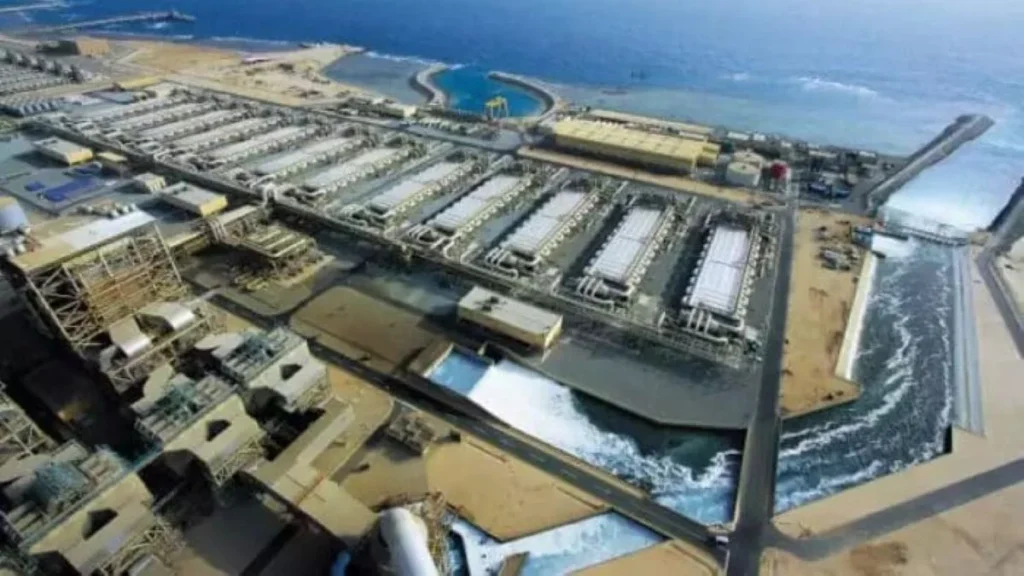
    Faced with an unprecedented water crisis, Morocco is accelerating its use of seawater desalination. Prolonged drought periods and decreasing rainfall have pushed the country to develop new desalination plant projects, in addition to existing ones, such as the one in Chtouka-Aït Baha. Coastal cities like Casablanca, Safi, and Dakhla will become major hubs for this new infrastructure, with an ambitious goal of producing 1.3 billion m³ of desalinated water per year by 2030.

    According to Saïd Guemra, an energy management expert, Morocco has set a desalination target to meet 50% of its drinking water needs, which amounts to 800 million m³/year. However, this strategy faces a major challenge: desalination requires a large amount of energy. With reverse osmosis, the technology primarily used, it takes about 4 kWh to produce 1 m³ of water. As a result, ongoing projects require massive energy capacity.

    By 2030, it is estimated that the 10 developing plants will need 1.57 TWh of electricity per year, translating to a renewable capacity of between 450 MW and 900 MW. Fortunately, Morocco has renewable energy resources, particularly through its solar and wind farms, such as the Noor complex in Ouarzazate. The ambitious project of an “electric highway” connecting Dakhla to Casablanca, with a capacity of 3,000 MW, will play a key role in meeting the needs of the desalination plants.

    However, the synchronization of these projects is crucial. Morocco must simultaneously develop its renewable capacities, build the electric cable, and commission the desalination plants. Any delay or desynchronization could exacerbate the water crisis or leave plants without energy to operate.

    Despite these challenges, the future of desalination in Morocco remains promising. With efficient management of renewable resources, the cost of energy needed for desalination could be reduced by 57%, thus easing the country’s energy bill and strengthening its independence from fossil fuels.

    desalination energy-consuming Essential seawater:
    Previous ArticleSpain/Morocco: ANRE and CNMC sign a MoU for integrated and sustainable energy regulation.
    Next Article Germany reaches a new record in renewable electricity production in 2024.

    Related Posts

    Green EMI Expo 2026: Rabat at the Forefront of Sustainable Innovation

    30 March 2026

    Sustainable Irrigation: The World Bank Establishes the “Moroccan Model” as a Global Reference

    27 March 2026

    Energy: Moroccan Electricity Production Shows Slight Increase at the Beginning of 2026

    27 March 2026
    Leave A Reply Cancel Reply

    Ne ratez pas
    CSR

    Child Protection: ONDE Evaluates Its 2025 Performance and Strengthens Its Partnership Network

    31 March 20260

    The National Observatory for Children’s Rights (ONDE) held its annual meeting in Rabat, presided over…

    Human Development: Rabat Highlights Morocco’s Progress and Measurement Challenges

    31 March 2026

    Green EMI Expo 2026: Rabat at the Forefront of Sustainable Innovation

    30 March 2026

    Sustainable Irrigation: The World Bank Establishes the “Moroccan Model” as a Global Reference

    27 March 2026
    Restez connecté
    • Facebook
    • Twitter
    • Pinterest
    • Instagram
    • YouTube
    • Vimeo
    Nos vidéos

    The circular economy at the heart of LabelVie group’s initiatives.

    10 July 2025

    Mounir El Bari: “Our great ecological challenge is access to the resource!”

    10 July 2025

    Driss Nahya: “Control must be strengthened to access the waste deposit.”

    10 July 2025

    Reda Boukallal: “Priority to the valorization of household waste”

    10 July 2025
    Facebook X (Twitter) Instagram Pinterest
     
    © 2026 Green Times.

    Type above and press Enter to search. Press Esc to cancel.