

Close Menu
Greentimes
    Qoui de neuf

    Child Protection: ONDE Evaluates Its 2025 Performance and Strengthens Its Partnership Network

    31 March 2026

    Human Development: Rabat Highlights Morocco’s Progress and Measurement Challenges

    31 March 2026

    Green EMI Expo 2026: Rabat at the Forefront of Sustainable Innovation

    30 March 2026
    Facebook X (Twitter) Instagram
    GreentimesGreentimes
    • Home
    • CSR
    • Energy Transition and Renewables
    • Sustainability
    • Climate Change
    • Analyses and Opinions
    • Datas
    • Dates & events
    • Last news
    • FR
    Thursday 6 August 2026
    Facebook X (Twitter) Instagram
    Greentimes
    Home » Desalinated Water: A Lifeline for Southern Agriculture… but at What Cost?
    Climate Change

    Desalinated Water: A Lifeline for Southern Agriculture… but at What Cost?

    10 September 2025No Comments2 Mins Read
    Facebook Twitter Pinterest LinkedIn Tumblr Reddit WhatsApp Email
    Share
    Facebook Twitter LinkedIn Pinterest WhatsApp Email

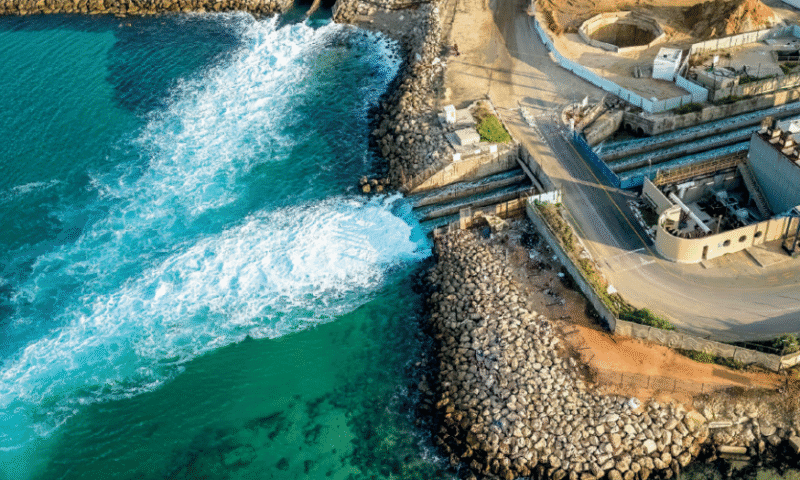
    In the Chtouka-Aït Baha region, south of Agadir, desalinated water has become an essential bulwark against drought. Thanks to it, agricultural operations, particularly major cherry tomato producers like the Azura group, manage to sustain their activities in an increasingly arid climate. However, this vital resource raises increasingly urgent economic and ecological questions.

    Since 2022, the desalination plant in Chtouka has been supplying water to 12,000 hectares of crops and also provides drinking water for 1.6 million people. By 2026, its capacity is expected to reach 400,000 cubic meters per day, according to the Regional Agricultural Development Office.

    This resource has allowed authorities to avoid an estimated annual loss of over 860 million euros and the disappearance of more than a million jobs in the region. However, it remains out of reach for small operators due to its high cost: five dirhams per cubic meter, which is five times more than conventional water.

    “We wouldn’t be here without this water,” admits Abir Lemseffer, deputy CEO of the Azura group, highlighting the tension between profitability and survival. This tension is shared by other farmers like Mohamed Boumarg, who has managed to triple his cultivated land thanks to access to desalinated water.

    But this miracle solution is not without limits. In addition to its high energy costs, it generates brine discharges into the sea, a concern for some environmental specialists, despite official assurances of the system’s safety.

    Usable only for high-value crops, desalinated water helps maintain the agricultural leadership of Souss, a region responsible for 85% of Morocco’s fresh vegetable exports. Yet, it raises a crucial question: can food sovereignty be built on such a costly and energy-intensive solution?

    With AFP

    agricultural leadership agriculture: cherry tomatoes desalination drought: economic impact energy costs environmental concerns sustainability: water scarcity
    Previous ArticleForest Fires: ANEF Begins Publishing Detailed Maps of High-Risk Areas
    Next Article Climate: China is experiencing warming greater than the global average (Report)

    Related Posts

    Sustainable Irrigation: The World Bank Establishes the “Moroccan Model” as a Global Reference

    27 March 2026

    Bayer Crop Science Implements Its “Invictus” Strategy for North Africa

    27 March 2026

    Fertilizers: The Alarm Call from American Farmers in Favor of OCP

    26 March 2026
    Leave A Reply Cancel Reply

    Ne ratez pas
    CSR

    Child Protection: ONDE Evaluates Its 2025 Performance and Strengthens Its Partnership Network

    31 March 20260

    The National Observatory for Children’s Rights (ONDE) held its annual meeting in Rabat, presided over…

    Human Development: Rabat Highlights Morocco’s Progress and Measurement Challenges

    31 March 2026

    Green EMI Expo 2026: Rabat at the Forefront of Sustainable Innovation

    30 March 2026

    Sustainable Irrigation: The World Bank Establishes the “Moroccan Model” as a Global Reference

    27 March 2026
    Restez connecté
    • Facebook
    • Twitter
    • Pinterest
    • Instagram
    • YouTube
    • Vimeo
    Nos vidéos

    The circular economy at the heart of LabelVie group’s initiatives.

    10 July 2025

    Mounir El Bari: “Our great ecological challenge is access to the resource!”

    10 July 2025

    Driss Nahya: “Control must be strengthened to access the waste deposit.”

    10 July 2025

    Reda Boukallal: “Priority to the valorization of household waste”

    10 July 2025
    Facebook X (Twitter) Instagram Pinterest
     
    © 2026 Green Times.

    Type above and press Enter to search. Press Esc to cancel.