

Close Menu
Greentimes
    Qoui de neuf

    Energy Efficiency: Morocco and Germany Launch a New Cooperation Cycle with PEEM II

    18 February 2026

    Construction: A Key Sector Facing the Challenge of Green Transition in Morocco

    18 February 2026

    Carbon: Most Moroccan Emissions Outside of Any Real Constraints, According to the OECD

    18 February 2026
    Facebook X (Twitter) Instagram
    GreentimesGreentimes
    • Home
    • CSR
    • Energy Transition and Renewables
    • Sustainability
    • Climate Change
    • Analyses and Opinions
    • Datas
    • Dates & events
    • Last news
    • FR
    Wednesday 18 February 2026
    Facebook X (Twitter) Instagram
    Greentimes
    Home » Climate Transition: AIIB Grants $200 Million to Morocco to Accelerate CDN 3.0
    Climate Change

    Climate Transition: AIIB Grants $200 Million to Morocco to Accelerate CDN 3.0

    30 January 2026No Comments2 Mins Read
    Facebook Twitter Pinterest LinkedIn Tumblr Reddit WhatsApp Email
    Share
    Facebook Twitter LinkedIn Pinterest WhatsApp Email

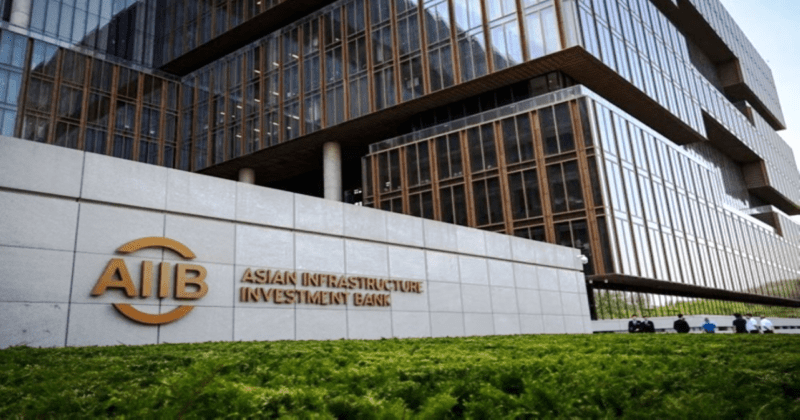
    Morocco strengthens its climate financing with the entry of a new international player. The Asian Infrastructure Investment Bank (AIIB) has signed a sovereign financing agreement of $200 million to support the implementation of the updated Nationally Determined Contribution (NDC) 3.0 in 2025. This marks the institution’s first sovereign operation in the Kingdom.

    This financing is part of the “Climate Operation Morocco – NDC Support Program,” co-financed with the World Bank. The stated objective is to enhance both climate change mitigation and adaptation by supporting concrete actions on the ground until 2029.

    ### A program focused on resilience and ecosystem protection

    The AIIB justifies its intervention due to Morocco’s increasing exposure to major climate risks: prolonged droughts, desertification, water stress, and the rise of extreme events. Rural and arid areas are particularly affected, with vulnerable ecosystems—such as palm groves and argan landscapes—playing a key role in water regulation, soil protection, and carbon sequestration.

    The program specifically includes:

    – The expansion of national climate observation systems, with the installation of new radars to improve early warnings for floods, heatwaves, and droughts;
    – The restoration of traditional gravity irrigation systems, such as khettaras and seguias, to promote less energy-intensive agriculture;
    – The rehabilitation of degraded lands by planting resilient species such as the argan tree, olive tree, carob tree, cactus, and almond tree.

    ### A scheme already backed by the World Bank

    The program is already benefiting from $350 million in funding provided by the World Bank since January 2024, through a results-based mechanism. The AIIB’s financing strengthens this envelope and extends the effort until 2029.

    Beyond environmental aspects, the project also aims for economic impact: supporting local agricultural value chains, reducing post-harvest losses, creating jobs, and lowering emissions through better utilization of agricultural by-products.

    ### Towards a sustainable partnership with the AIIB

    Quoted in this announcement, Konstantin Limitovskiy, Executive Director of Client Investments and Public Sector at the AIIB, emphasized that this financing should translate climate commitments into concrete actions, combining adaptation and mitigation on the ground.

    For Morocco, this support marks a further step in strengthening the national climate financing framework and paves the way for a sustainable partnership with the AIIB, with the ambition of developing reproducible solutions for other countries facing similar challenges.

    AIIB clean energy climate adaptation climate finance drought management economic impact ecosystem resilience national determined contributions sustainable agriculture traditional irrigation
    Previous ArticleRenewables: The Court of Auditors Aims to Accelerate Progress to Meet 2030 Objectives
    Next Article Nador West Med: The State Suspends the Tender for the LNG Terminal and Revises the Gas Framework

    Related Posts

    Carbon: Most Moroccan Emissions Outside of Any Real Constraints, According to the OECD

    18 February 2026

    Climate Resilience: A Call for Projects to Make Morocco a Hub for South-South Cooperation

    13 February 2026

    Morocco has 4,215 hectares of organic olive groves, according to the global olive oil panorama.

    13 February 2026
    Leave A Reply Cancel Reply

    Ne ratez pas
    Energy Transition and Renewables

    Energy Efficiency: Morocco and Germany Launch a New Cooperation Cycle with PEEM II

    18 February 20260

    The energy partnership between Morocco and Germany has taken a new step forward. Meeting in…

    Construction: A Key Sector Facing the Challenge of Green Transition in Morocco

    18 February 2026

    Carbon: Most Moroccan Emissions Outside of Any Real Constraints, According to the OECD

    18 February 2026

    Energy Management: Wattnow Establishes Itself in Morocco and Focuses on Data to Enhance Business Performance

    18 February 2026
    Restez connecté
    • Facebook
    • Twitter
    • Pinterest
    • Instagram
    • YouTube
    • Vimeo
    Nos vidéos

    The circular economy at the heart of LabelVie group’s initiatives.

    10 July 2025

    Mounir El Bari: “Our great ecological challenge is access to the resource!”

    10 July 2025

    Driss Nahya: “Control must be strengthened to access the waste deposit.”

    10 July 2025

    Reda Boukallal: “Priority to the valorization of household waste”

    10 July 2025
    Facebook X (Twitter) Instagram Pinterest
     
    © 2026 Green Times.

    Type above and press Enter to search. Press Esc to cancel.