

Close Menu
Greentimes
    Qoui de neuf

    OCP: Washington Reopens the Issue of Taxes on Moroccan Fertilizers

    27 January 2026

    The energy transition in Morocco: a true lever for development and enhancing the competitiveness of the national economy

    27 January 2026

    The Popular Bank Foundation equips nine student housing units with solar water heaters.

    27 January 2026
    Facebook X (Twitter) Instagram
    GreentimesGreentimes
    • Home
    • CSR
    • Energy Transition and Renewables
    • Sustainability
    • Climate Change
    • Analyses and Opinions
    • Datas
    • Dates & events
    • Last news
    • FR
    Wednesday 28 January 2026
    Facebook X (Twitter) Instagram
    Greentimes
    Home » Air Conditioning: Global Demand Could Triple by 2050
    Climate Change

    Air Conditioning: Global Demand Could Triple by 2050

    13 November 2025No Comments2 Mins Read
    Facebook Twitter Pinterest LinkedIn Tumblr Reddit WhatsApp Email
    Share
    Facebook Twitter LinkedIn Pinterest WhatsApp Email

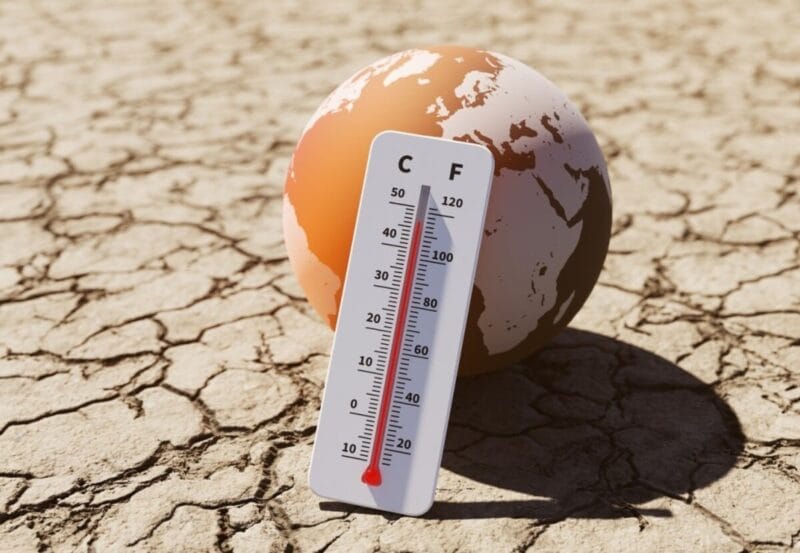
    The United Nations Environment Programme (UNEP) warns of an explosion in global demand for air conditioning, which could more than triple by 2050. This growth would be accompanied by a significant increase in greenhouse gas emissions and energy costs, with a possible doubling of emissions related to air conditioning, amounting to an additional 7.2 billion tonnes of CO₂ per year.

    This increase is primarily driven by population growth, rising incomes, increasing occurrences of extreme heat, and greater household access to often inefficient air conditioning units in developing countries. In 2022, air conditioning already accounted for 2.5 billion tonnes of CO₂, roughly 4% of global emissions. By 2050, over 3 billion air conditioners could be sold, particularly in Southern countries, where heat makes these energy-intensive systems indispensable.

    The report also highlights the economic impact: a transition to more eco-friendly cooling systems could help avoid up to $17 trillion in energy costs by 2050. Growing demand will put pressure on power grids, especially in emerging economies, with an additional need for 500 GW of peak power by 2035.

    To limit these impacts, UNEP recommends the widespread adoption of passive and energy-saving solutions, such as natural ventilation, urban greening, and improved building insulation. These strategies could account for two-thirds of emission reductions related to air conditioning and offer economic benefits by reducing energy dependence and limiting strain on electrical grids.

    The report calls for a reform of global climate policies, noting that only 54 countries have adopted comprehensive measures to manage air conditioning demand, including stricter building codes, minimum energy efficiency standards, and less polluting refrigerants. Integrating passive solutions into urban planning and national strategies appears essential to contain the environmental and economic impact of air conditioning in the coming decades.

    air conditioning climate change economic impact emissions reduction energy efficiency global warming greenhouse gases renewable energy sustainable development urban planning
    Previous ArticleWorld Bank Grants $430 Million to Tunisia
    Next Article Renewable Energy: Rapid Global Deployment, Oil Prices Could Stabilize by 2030 According to the IEA

    Related Posts

    The energy transition in Morocco: a true lever for development and enhancing the competitiveness of the national economy

    27 January 2026

    The Popular Bank Foundation equips nine student housing units with solar water heaters.

    27 January 2026

    Climate Justice: Parliament and Civil Society Call for More Inclusive Governance

    26 January 2026
    Leave A Reply Cancel Reply

    Ne ratez pas
    Sustainability

    OCP: Washington Reopens the Issue of Taxes on Moroccan Fertilizers

    27 January 20260

    After five years of commercial disputes, the United States is set to re-evaluate the countervailing…

    The energy transition in Morocco: a true lever for development and enhancing the competitiveness of the national economy

    27 January 2026

    The Popular Bank Foundation equips nine student housing units with solar water heaters.

    27 January 2026

    GROHE outfits a family home at the SOS Children’s Village in Dar Bouazza

    26 January 2026
    Restez connecté
    • Facebook
    • Twitter
    • Pinterest
    • Instagram
    • YouTube
    • Vimeo
    Nos vidéos

    The circular economy at the heart of LabelVie group’s initiatives.

    10 July 2025

    Mounir El Bari: “Our great ecological challenge is access to the resource!”

    10 July 2025

    Driss Nahya: “Control must be strengthened to access the waste deposit.”

    10 July 2025

    Reda Boukallal: “Priority to the valorization of household waste”

    10 July 2025
    Facebook X (Twitter) Instagram Pinterest
     
    © 2026 Green Times.

    Type above and press Enter to search. Press Esc to cancel.