

Close Menu
Greentimes
    Qoui de neuf

    Child Protection: ONDE Evaluates Its 2025 Performance and Strengthens Its Partnership Network

    31 March 2026

    Human Development: Rabat Highlights Morocco’s Progress and Measurement Challenges

    31 March 2026

    Green EMI Expo 2026: Rabat at the Forefront of Sustainable Innovation

    30 March 2026
    Facebook X (Twitter) Instagram
    GreentimesGreentimes
    • Home
    • CSR
    • Energy Transition and Renewables
    • Sustainability
    • Climate Change
    • Analyses and Opinions
    • Datas
    • Dates & events
    • Last news
    • FR
    Tuesday 11 August 2026
    Facebook X (Twitter) Instagram
    Greentimes
    Home » Agricultural greenhouses: concrete solutions to reduce energy consumption by up to 40%.
    Products and Technologies

    Agricultural greenhouses: concrete solutions to reduce energy consumption by up to 40%.

    4 July 2025No Comments2 Mins Read
    Facebook Twitter Pinterest LinkedIn Tumblr Reddit WhatsApp Email
    Share
    Facebook Twitter LinkedIn Pinterest WhatsApp Email

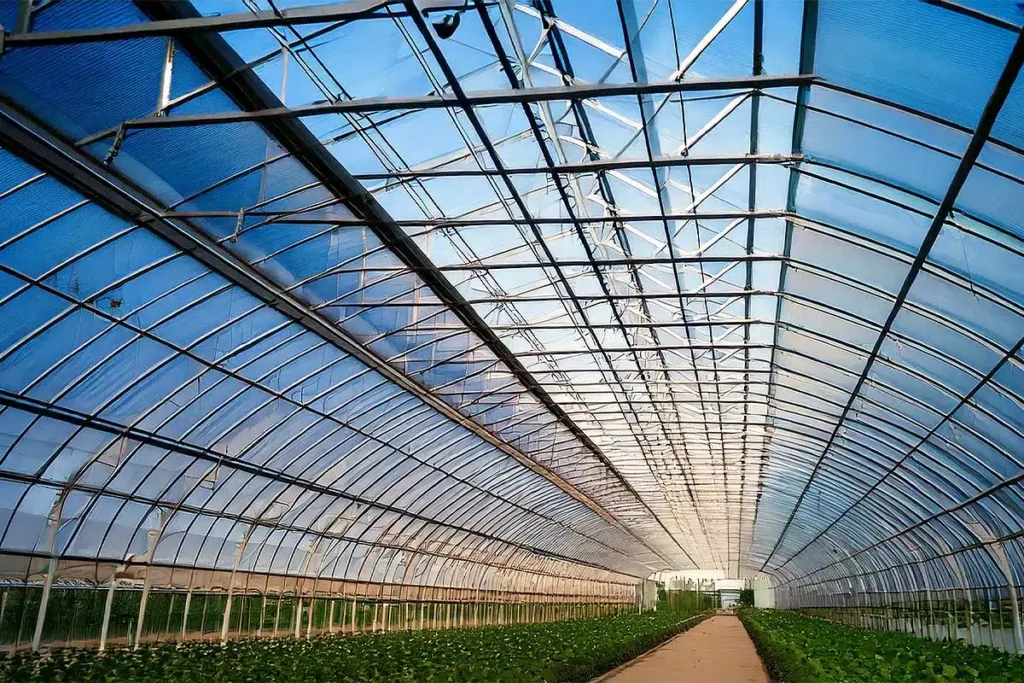
    Faced with the need to reduce the carbon footprint of greenhouse agriculture, researchers at CTIFL (Technical Center for Interprofessional Fruits and Vegetables) are multiplying initiatives. After three years of experiments on tomatoes and cucumbers, the first results confirm the potential of an energy-efficient approach, with an average reduction of 30 to 38% in consumption, with a measured impact on yields.

    Controlled yields despite sobriety

    For cucumbers, the Top Secret variety shows a yield of 26.1 kg/m² compared to 27 for the control crop, with larger fruits and a limited revenue gap of 2.9 €/m². For tomatoes, energy-efficient greenhouses have achieved a 38% reduction in energy consumption by 2025, with yields decreasing from 21.2 to 20.4 kg/m². This balance is considered acceptable, especially since trials have shown that a less pronounced sobriety (15% savings) might not even affect production.

    Adjusting heating and climate management

    One of the major levers is to lower the nighttime setpoint temperature to 15.5 °C, without heating spikes during the day. For cucumbers, rail systems have been favored, while for tomatoes, forced heating has been better adapted. The elimination of nighttime preheating has also led to notable gains.

    To limit thermal losses, CTIFL has also tested closed screen panels at night. Their porosity allows some humidity to pass through, thus avoiding thermal shocks while maintaining a stable temperature.

    Artificial intelligence enters the greenhouse

    With the SES project, CTIFL and the company Cybeletec are exploring a more technological path. The goal: a 30 to 50% reduction in energy consumption through automated regulation, driven by AI. By analyzing weather data in real-time and plant behavior, predictive tools should allow for adjustments to optimize greenhouse climate. An operational version is planned for 2029, with a simplified dashboard accessible as early as 2026.

    And tomorrow, the intelligent cold shelter?

    Beyond heated greenhouses, CTIFL is also interested in cold shelters, which are more numerous in France. A first test with a thermodynamic dehumidifier increased the temperature by 1 °C at the end of the day while limiting humidity. The cost of the operation: 0.30 €/m² for 272 hours of operation and an initial investment of 13,000 euros. Adjustments still need to be made, particularly regarding the size of the equipment.

    These works, still in the experimental phase, outline a concrete path towards a more sober greenhouse agriculture, without compromising economic performance.

    Source: Pleinchamp.com

    agricultural concrete greenhouses: reduce solutions
    Previous ArticleDoukkala: a future regional observatory to accelerate the ecological transition.
    Next Article Sustainable habitat: ALH Real Estate initiates the debate in Rabat.

    Related Posts

    French researchers decipher the functioning of microalgae to capture carbon.

    7 July 2025

    Data centers: AI is exploding the energy density of racks and disrupting models.

    19 June 2025

    Agricultural dams: the reservoirs at 5.2 billion m³, the filling rate at 37%

    11 June 2025
    Leave A Reply Cancel Reply

    Ne ratez pas
    CSR

    Child Protection: ONDE Evaluates Its 2025 Performance and Strengthens Its Partnership Network

    31 March 20260

    The National Observatory for Children’s Rights (ONDE) held its annual meeting in Rabat, presided over…

    Human Development: Rabat Highlights Morocco’s Progress and Measurement Challenges

    31 March 2026

    Green EMI Expo 2026: Rabat at the Forefront of Sustainable Innovation

    30 March 2026

    Sustainable Irrigation: The World Bank Establishes the “Moroccan Model” as a Global Reference

    27 March 2026
    Restez connecté
    • Facebook
    • Twitter
    • Pinterest
    • Instagram
    • YouTube
    • Vimeo
    Nos vidéos

    The circular economy at the heart of LabelVie group’s initiatives.

    10 July 2025

    Mounir El Bari: “Our great ecological challenge is access to the resource!”

    10 July 2025

    Driss Nahya: “Control must be strengthened to access the waste deposit.”

    10 July 2025

    Reda Boukallal: “Priority to the valorization of household waste”

    10 July 2025
    Facebook X (Twitter) Instagram Pinterest
     
    © 2026 Green Times.

    Type above and press Enter to search. Press Esc to cancel.