

Close Menu
Greentimes
    Qoui de neuf

    Rabat: Signing of an Agreement for the Implementation of the Global Program for Eco-Industrial Parks in Morocco

    17 March 2026

    Zineb Bennouna leads the CSR and communication strategy at LafargeHolcim Morocco

    16 March 2026

    In Marrakech-Safi, a solar drying unit transforms sewage sludge into industrial fuel.

    16 March 2026
    Facebook X (Twitter) Instagram
    GreentimesGreentimes
    • Home
    • CSR
    • Energy Transition and Renewables
    • Sustainability
    • Climate Change
    • Analyses and Opinions
    • Datas
    • Dates & events
    • Last news
    • FR
    Wednesday 18 March 2026
    Facebook X (Twitter) Instagram
    Greentimes
    Home » Severe Weather in Salé: A Spectacular Pollution Unveils the Flaws in Coastal Management
    Sustainability

    Severe Weather in Salé: A Spectacular Pollution Unveils the Flaws in Coastal Management

    13 January 2026No Comments3 Mins Read
    Facebook Twitter Pinterest LinkedIn Tumblr Reddit WhatsApp Email
    Share
    Facebook Twitter LinkedIn Pinterest WhatsApp Email

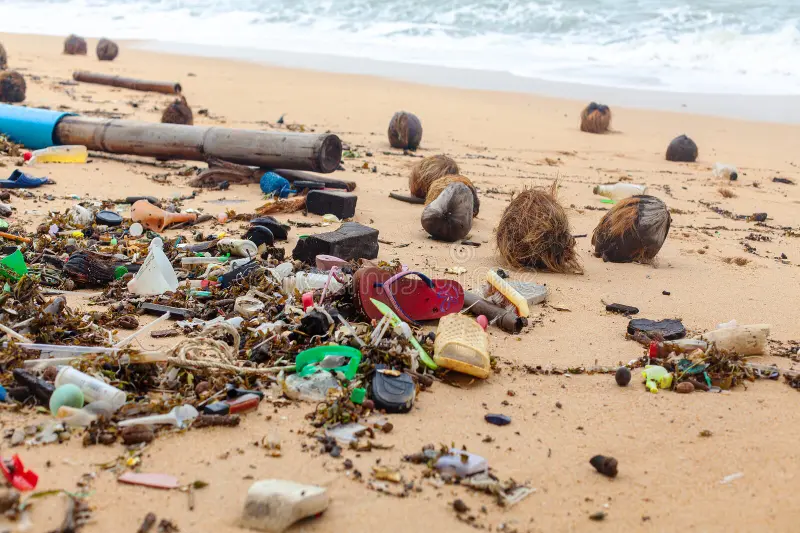
    The beach of Salé has been inundated in recent days with impressive amounts of waste, following severe weather disturbances that hit the Atlantic coast. Plastics, plant debris, and mud have accumulated along the shoreline, creating a scene deemed alarming by local residents and reigniting the debate over waste management and coastal protection.

    According to reports from the daily Al Akhbar, this episode of massive pollution occurred after a period characterized by unusual swell and particularly violent waves. These conditions facilitated the discharge of waste carried from river mouths and stormwater drainage channels, transforming a section of the coastline into a veritable open dump.

    On-site observations are striking. Plastic bags, empty bottles, remnants of vegetation, particularly figs, and thick layers of mud have mingled with the sand. For many locals, this accumulation paints a picture of an environmental disaster and severely tarnishes the appeal of the beach, which is typically very busy during good weather.

    Beyond the visual aspect, concerns are raised about health and environmental risks. Residents interviewed express fears of lasting degradation to the marine ecosystem and negative impacts on the health of beachgoers, especially children. Several testimonies point to the responsibility of waste accumulated along waterways that are inadequately monitored, as well as persistent failures in sanitation and waste collection systems.

    Recent rainfall has acted as a catalyst, washing away waste stored upstream before it was massively dumped along the coast by the force of the waves. This is a recurring phenomenon during intense rainy episodes, but the current scale has particularly shocked local residents.

    In response to the situation, local authorities and municipal services have intervened to clean the beach. Teams have been mobilized to collect plastic waste, remove mud, and sanitize the most affected areas. Specialized machinery has also been deployed to remove large debris and transport it to treatment or recycling facilities.

    While this intervention has helped mitigate the immediate impact, many citizens believe it is insufficient. For them, this episode highlights the limitations of ad-hoc actions and underscores the urgency for structural solutions: better upstream waste management, enhanced monitoring of waterways, citizen awareness, and anticipation of extreme weather events.

    In Salé, as elsewhere, post-storm pollution appears as a symptom of a deeper problem. It serves as a stark reminder that coastal protection cannot be limited to emergency cleanup operations but requires a sustainable, coordinated, and proactive strategy to address growing environmental challenges.

    With Al Akhbar.

    Beach climate impact coastal protection community action environmental crisis pollution public health recycling sanitation: waste management
    Previous ArticleGermany: Solar Surpasses Coal and Gas, but Still Lags Behind Wind Energy
    Next Article Circular Economy: Morocco Accelerates the Overhaul of Waste Law to Attract Green Investment

    Related Posts

    In Marrakech-Safi, a solar drying unit transforms sewage sludge into industrial fuel.

    16 March 2026

    Agriculture: Morocco Aims for an Additional One Million Hectares of Irrigation by 2030

    16 March 2026

    Morocco is accelerating desalination with four new stations and aims for 1.7 billion cubic meters of water per year by 2030.

    12 March 2026
    Leave A Reply Cancel Reply

    Ne ratez pas
    Energy Transition and Renewables

    Rabat: Signing of an Agreement for the Implementation of the Global Program for Eco-Industrial Parks in Morocco

    17 March 20260

    An agreement related to the implementation of the Global Program for Eco-Industrial Parks (GEIPP II)…

    Zineb Bennouna leads the CSR and communication strategy at LafargeHolcim Morocco

    16 March 2026

    In Marrakech-Safi, a solar drying unit transforms sewage sludge into industrial fuel.

    16 March 2026

    Attijariwafa Bank aims to transform its ESG commitments into concrete and measurable actions.

    16 March 2026
    Restez connecté
    • Facebook
    • Twitter
    • Pinterest
    • Instagram
    • YouTube
    • Vimeo
    Nos vidéos

    The circular economy at the heart of LabelVie group’s initiatives.

    10 July 2025

    Mounir El Bari: “Our great ecological challenge is access to the resource!”

    10 July 2025

    Driss Nahya: “Control must be strengthened to access the waste deposit.”

    10 July 2025

    Reda Boukallal: “Priority to the valorization of household waste”

    10 July 2025
    Facebook X (Twitter) Instagram Pinterest
     
    © 2026 Green Times.

    Type above and press Enter to search. Press Esc to cancel.