

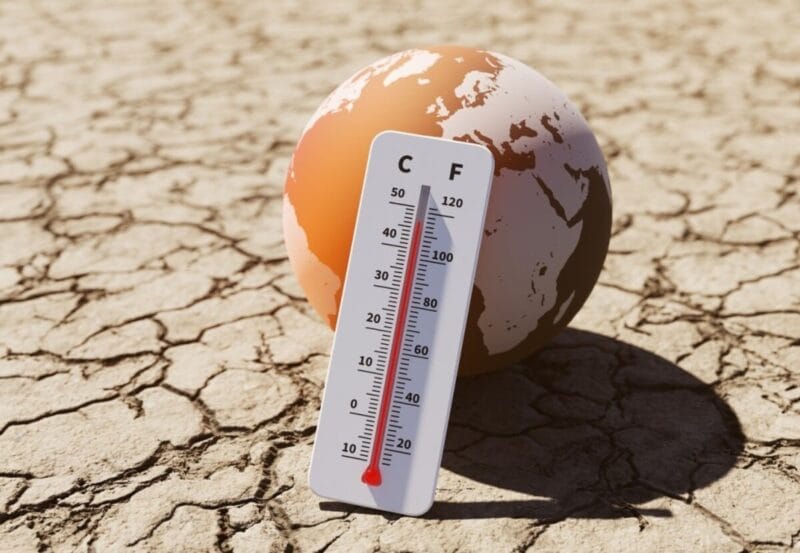
The United Nations Environment Programme (UNEP) warns of an explosion in global demand for air conditioning, which could more than triple by 2050. This growth would be accompanied by a significant increase in greenhouse gas emissions and energy costs, with a possible doubling of emissions related to air conditioning, amounting to an additional 7.2 billion tonnes of CO₂ per year.
This increase is primarily driven by population growth, rising incomes, increasing occurrences of extreme heat, and greater household access to often inefficient air conditioning units in developing countries. In 2022, air conditioning already accounted for 2.5 billion tonnes of CO₂, roughly 4% of global emissions. By 2050, over 3 billion air conditioners could be sold, particularly in Southern countries, where heat makes these energy-intensive systems indispensable.
The report also highlights the economic impact: a transition to more eco-friendly cooling systems could help avoid up to $17 trillion in energy costs by 2050. Growing demand will put pressure on power grids, especially in emerging economies, with an additional need for 500 GW of peak power by 2035.
To limit these impacts, UNEP recommends the widespread adoption of passive and energy-saving solutions, such as natural ventilation, urban greening, and improved building insulation. These strategies could account for two-thirds of emission reductions related to air conditioning and offer economic benefits by reducing energy dependence and limiting strain on electrical grids.
The report calls for a reform of global climate policies, noting that only 54 countries have adopted comprehensive measures to manage air conditioning demand, including stricter building codes, minimum energy efficiency standards, and less polluting refrigerants. Integrating passive solutions into urban planning and national strategies appears essential to contain the environmental and economic impact of air conditioning in the coming decades.