






China has reached a major turning point in its automotive transition: in October 2025, for the first time, more than half of the new cars sold were new energy vehicles (NEVs), according to the China Association of Automotive Manufacturers (CAAM).
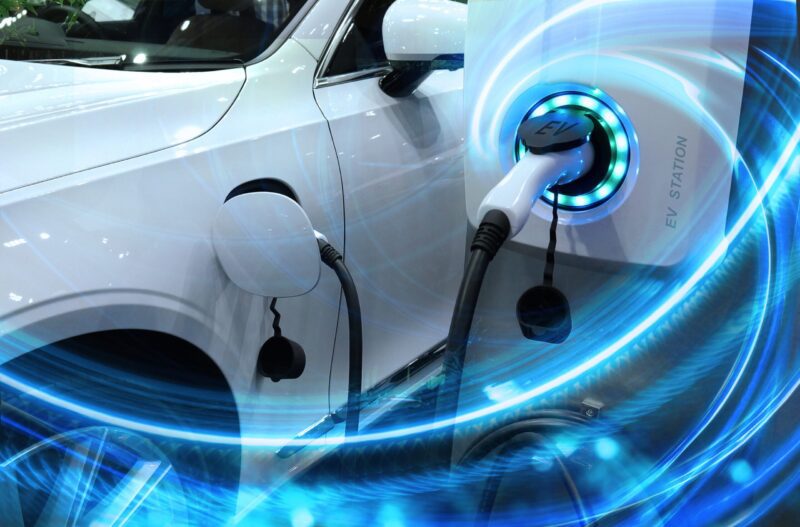
These NEVs include 100% electric vehicles, plug-in hybrids, and hydrogen fuel cell vehicles. In October, they accounted for 51.6% of total new car sales, marking a symbolic milestone in the world’s largest automotive market.
From January to October, Chinese manufacturers produced 27.69 million vehicles and sold 27.68 million, an increase of over 10% compared to last year. NEV production surged by 33.1%, reaching 13.02 million units, while their sales rose by 32.7%, with 12.94 million vehicles sold during the period.
The momentum is also extending internationally: 2.01 million NEVs have been exported since the beginning of the year, up by 90.4%. Chen Shihua, deputy secretary general of the CAAM, attributes this growth to the combined effect of supportive policies, such as vehicle trade-in subsidies and tax incentives, which have boosted demand. The upcoming reduction in tax exemptions on NEVs has also led many buyers to accelerate their purchases.
This symbolic threshold of 50% illustrates China’s growing dominance in global electric mobility. As part of its carbon neutrality goal by 2060, Beijing is making electric vehicles a strategic pillar of its industrial and energy policy, and October 2025 represents the realization of this ambition in the domestic market.