

Close Menu
Greentimes
    Qoui de neuf

    Desalination expected to provide 60% of drinking water by 2030

    5 December 2025

    USA: Trump Eases Standards on Vehicle Consumption and Emissions

    5 December 2025

    Salé: A Forest Threatened by Rising Pollution

    5 December 2025
    Facebook X (Twitter) Instagram
    GreentimesGreentimes
    • Home
    • CSR
    • Energy Transition and Renewables
    • Sustainability
    • Climate Change
    • Analyses and Opinions
    • Datas
    • Dates & events
    • Last news
    • FR
    Sunday 7 December 2025
    Facebook X (Twitter) Instagram
    Greentimes
    Home » Tata: Tensions Over Watermelons and Water Scarcity
    Sustainability

    Tata: Tensions Over Watermelons and Water Scarcity

    1 December 2025No Comments2 Mins Read
    Facebook Twitter Pinterest LinkedIn Tumblr Reddit WhatsApp Email
    Share
    Facebook Twitter LinkedIn Pinterest WhatsApp Email

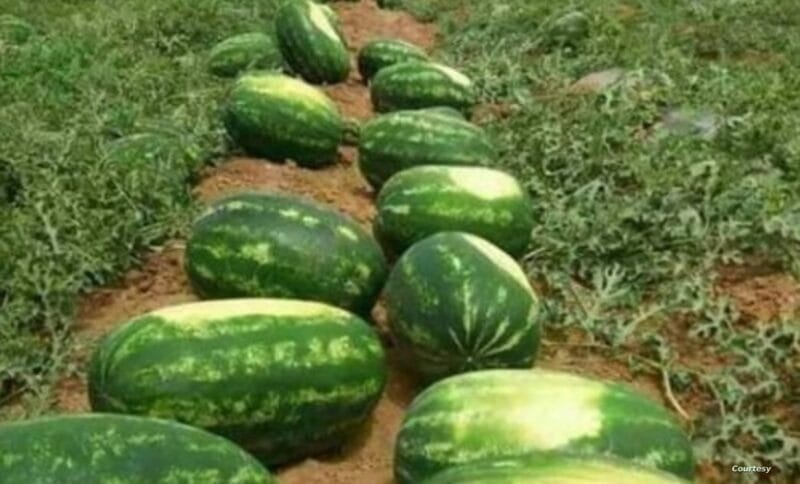
    In Tata, pressure is mounting to allow the cultivation of red and yellow watermelons once again, despite the chronic water deficit affecting the province. In recent days, large agricultural operators and sector lobbies have intensified their efforts with local authorities to ease the prefectural decree banning water-intensive crops, reports the daily Al Akhbar.

    The ban, which was implemented in November 2022, aimed to protect severely depleted aquifers after several years of drought and a decrease in natural water sources. Decree No. 224 strictly regulates agricultural exploitation, prohibits excessive or illegal water extraction, and suspends the issuance of new drilling permits in water-scarce areas, while limiting the expansion of existing wells. Water-intensive seasonal crops, such as red and yellow watermelons, are thus prohibited, with only food crops like cereals and legumes remaining permitted.

    However, some agricultural stakeholders claim that the condition of the aquifers has shown signs of improvement in recent years. In this context, the provincial water commission, initially scheduled for December 4, has postponed its discussions to December 9 to examine the potential legalization of certain crops in southern Tata.

    The pressures are coming from large producers, local officials, and investors in modern irrigation systems, all coordinated to influence the decision. Their goal: to overturn the decree and revive watermelon cultivation, a practice that had been suspended precisely to limit the depletion of water resources and comply with Ministerial Circular No. 19325 regarding water stress prevention.

    This tension illustrates the dilemma facing the Souss-Massa region: balancing agricultural development and the preservation of a vital resource that has become scarce. While demand and investment in water-intensive crops remain strong, the priority continues to be the sustainable management of aquifers, which is essential to ensure long-term water supply for the province and its inhabitants.

    With Al Akhbar

    agriculture: drought: farming practices irrigation: local authorities souss-massa sustainable management water resources water scarcity watermelon
    Previous ArticleEnergy Transition: The Momentum Initiated by Morocco Opens New Perspectives
    Next Article Marrakech: Workshop on the National Program for Shared Wastewater Treatment and Reuse

    Related Posts

    Salé: A Forest Threatened by Rising Pollution

    5 December 2025

    Circular Economy: Between 121 and 142 Million Workers Worldwide

    5 December 2025

    OCP and UNIDO Seal a Strategic Partnership for Green Industrialization and Sustainable Agriculture

    4 December 2025
    Leave A Reply Cancel Reply

    Ne ratez pas
    Climate Change

    Desalination expected to provide 60% of drinking water by 2030

    5 December 20250

    Morocco is preparing to take a new step in its water strategy. According to Nizar…

    USA: Trump Eases Standards on Vehicle Consumption and Emissions

    5 December 2025

    Salé: A Forest Threatened by Rising Pollution

    5 December 2025

    Circular Economy: Between 121 and 142 Million Workers Worldwide

    5 December 2025
    Restez connecté
    • Facebook
    • Twitter
    • Pinterest
    • Instagram
    • YouTube
    • Vimeo
    Nos vidéos

    The circular economy at the heart of LabelVie group’s initiatives.

    10 July 2025

    Mounir El Bari: “Our great ecological challenge is access to the resource!”

    10 July 2025

    Driss Nahya: “Control must be strengthened to access the waste deposit.”

    10 July 2025

    Reda Boukallal: “Priority to the valorization of household waste”

    10 July 2025
    Facebook X (Twitter) Instagram Pinterest
     
    © 2025 Green Times.

    Type above and press Enter to search. Press Esc to cancel.