






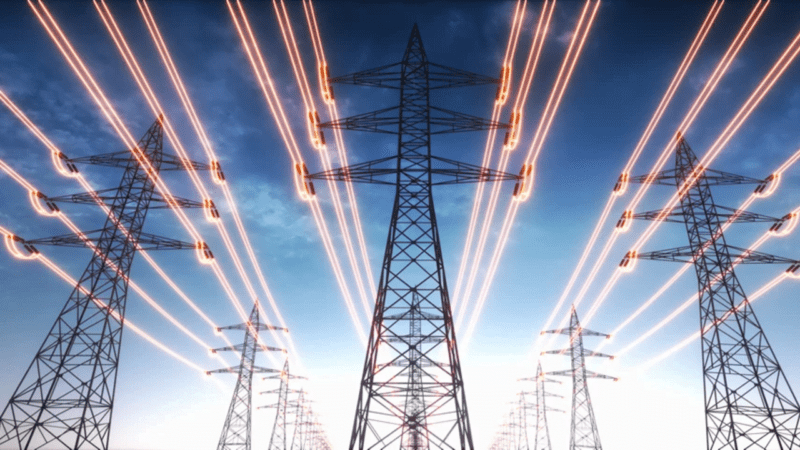
Morocco marks a new advancement in its energy transition with the launch of the continent’s first Smart Grid platform by the National Office for Electricity and Drinking Water (ONEE). Located at the Electricity Science and Technology Center, this infrastructure paves the way for smarter, more flexible, and more sustainable management of the electrical grid, as highlighted by Challenge. The project, funded by the African Development Bank with over 4 million dirhams, illustrates the Kingdom’s commitment to strengthening its role as a reference point in Africa for clean energy.
Since COP22, the country has multiplied initiatives to modernize its infrastructure and increase the share of renewable energy. Under royal guidance, efforts focus on both green production and the use of digital technologies that optimize grid management. The opening of the Smart Grids Test Lab in Benguérir, part of the Green & Smart Building Park, is in line with this trend and provides a novel framework for research and experimentation dedicated to next-generation electrical grids.
Smart grids promise to transform the way electricity is produced, distributed, and consumed. With real-time management and advanced monitoring tools, they allow for instant adjustments to distribution based on demand and integrate intermittent renewable energies more effectively. Challenge notes that this system reduces losses, prevents imbalances, and contributes to a more stable and greener energy mix.
These innovations also promote the rise of decentralized production. Individuals and businesses can now generate their own electricity through solar panels or small wind turbines, injecting excess energy into the grid. Smart meters play a central role in this model: by continuously transmitting consumption data, they provide precise visibility that helps reduce waste, adopt better practices, and choose more efficient equipment.
To explain the impact of these technologies, Challenge cites energy transition expert Said Guemra, who underscores the now direct link between electricity and digitalization. Big Data enables every household or business to analyze its energy profile, identify hidden losses or anomalies, and improve efficiency by up to 40%, marking a significant step toward greater sustainability.
The widespread adoption of these tools represents a gradual yet structural undertaking. The installation of smart meters, which began in 2021 for large consumers, is the first step in a broader transformation. These devices will help distributors balance the grid, integrate more renewable energy, and manage fluctuations more quickly.
Experts highlight two essential conditions for successfully achieving this transformation: continuing investments in infrastructure and encouraging user engagement. Incentive legislation and the dissemination of smart meters should accelerate the modernization of the electrical system by placing the user at the heart of these developments.
On the international level, the Smart Grid market is experiencing sustained growth. Estimated at over $60 billion in 2023, it is expected to grow by more than 10% annually by 2032, driven by network digitalization and climate commitments. By decisively moving toward these solutions, Morocco positions itself in a strategic niche where innovation, sustainability, and energy sovereignty converge.


