






Morocco is preparing to implement a broader and more rigorous regulatory framework to oversee the quality control of natural gas fuel. A draft decision, developed by the Department of Energy Transition and submitted for public consultation through the General Secretariat of the Government, aims to clarify the application procedures of Decree No. 2.23.962 related to the import, export, refining, packaging, and distribution of hydrocarbon substances.
This text seeks to establish a comprehensive normative framework covering the entire value chain, from the introduction of fuel into the national territory to its consumption. The stated objective is to enhance the monitoring of the quality of natural gas fuel both at the import stage and at the distribution level, while equipping the administration with the necessary tools to perform the required controls and analyses.
The project is the result of consultations with several key institutions, including the Administration of Customs and Indirect Taxes (ADII), the Moroccan Institute of Standardization (Imanor), and the Group of Oil Operators in Morocco (GPM). This coordination aims to harmonize sampling, analysis, and certification practices based on recognized technical standards.
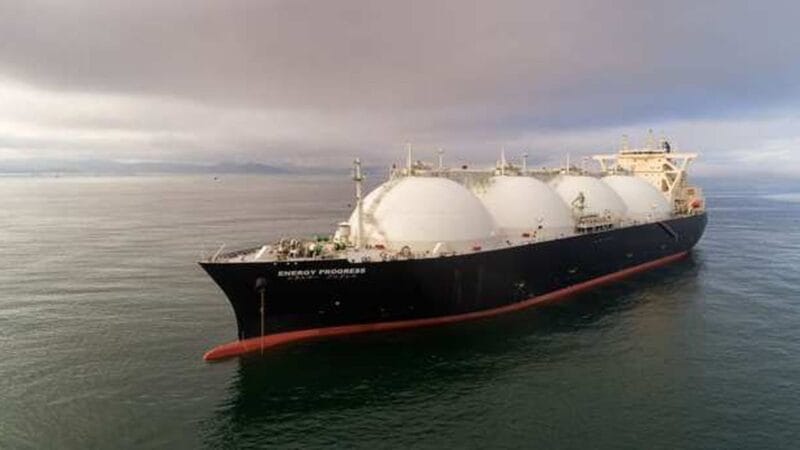
Furthermore, the text makes a clear distinction between natural gas fuel intended for vehicle propulsion, typically for short to medium journeys, and natural gas reserved for heavy industrial uses, which require specific cryogenic installations. This differentiation justifies the adoption of rules tailored to the technical constraints and risks associated with each use.
Operationally, the draft precisely details the methods of sampling and analysis, considered the foundation of the system. Samples must be collected in accordance with approved Moroccan standards or, failing that, international standards that provide equivalent guarantees. Compliance with the representativeness of samples, traceability, and the use of certified materials is explicitly required.
Non-compliance is defined with reference to standards NM ISO 15403-1 and NM ISO/TR 15403-2. Any fuel that does not meet these requirements may be subject to immediate measures, including re-export or handling of the imported product, based on the decisions of the relevant administration. This rigor aims to protect the consumer, secure installations, and maintain the credibility of the national market.
In terms of responsibilities, the compliance of the fuel primarily rests with the distributor. However, this responsibility can be transferred to the control point manager in cases of unauthorized alteration or replacement of seals. The text also mandates distributors to notify the competent authority of the sealing system used during the consumption phase.
Inspections will be carried out by agents from the governmental authority responsible for energy, with the support of accredited laboratories. These agents will be authorized to perform all necessary verifications, including sampling upon importation, to ensure the fuel’s compliance with applicable standards.
Through this project, public authorities aim to sustainably structure an energy segment poised for growth by establishing clear, transparent rules aligned with the best international practices. The public consultation phase will allow stakeholders to provide their feedback before the final adoption of the text, which will clearly outline the conditions for the import, storage, and distribution of natural gas fuel in Morocco.