

Close Menu
Greentimes
    Qoui de neuf

    COP30: Morocco Highlights a Territorial Climate Transition and Reformed Global Financing

    14 November 2025

    Tan-Tan: ONEE Completes the Expansion of the Demineralization Station to Ensure Safe Drinking Water

    14 November 2025

    Smart Grid: Morocco Launches Its First African Platform to Modernize Its Electrical System

    14 November 2025
    Facebook X (Twitter) Instagram
    GreentimesGreentimes
    • Home
    • CSR
    • Energy Transition and Renewables
    • Sustainability
    • Climate Change
    • Analyses and Opinions
    • Datas
    • Dates & events
    • Last news
    • FR
    Saturday 15 November 2025
    Facebook X (Twitter) Instagram
    Greentimes
    Home » Nigeria-Morocco Pipeline: Aiming for Official Validation by ECOWAS This Fall
    Energy Transition and Renewables

    Nigeria-Morocco Pipeline: Aiming for Official Validation by ECOWAS This Fall

    14 July 2025No Comments2 Mins Read
    Facebook Twitter Pinterest LinkedIn Tumblr Reddit WhatsApp Email
    Share
    Facebook Twitter LinkedIn Pinterest WhatsApp Email

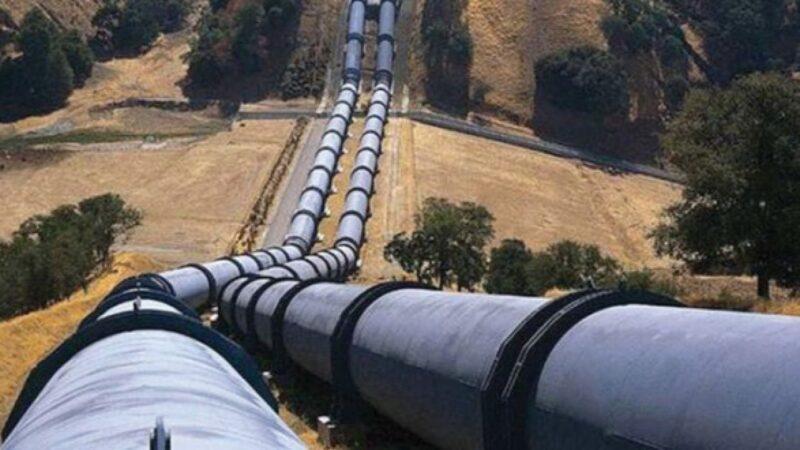
    The megaproject of the gas pipeline linking Nigeria to Morocco continues to move forward with determination. A major new milestone was reached in Rabat, where the 13 countries crossed by the route confirmed their commitment, paving the way for an official signing expected in the fall of 2025 by the Economic Community of West African States (ECOWAS).

    Driven by a strategic vision led by King Mohammed VI, this colossal $25 billion project is no longer just an infrastructure project: it has become a symbol of African energy integration. It will extend over more than 6,000 kilometers, running along the entire West African coast, from Nigeria to Morocco, serving Benin, Togo, Ghana, Ivory Coast, Liberia, Sierra Leone, Guinea, Guinea-Bissau, Gambia, Senegal, and Mauritania. Landlocked countries like Niger, Burkina Faso, and Mali will also be supplied.

    Meeting in Rabat on July 10 and 11, the technical and steering committees reviewed the project’s progress. Key figures from the African energy sector, representatives from ECOWAS, and Moroccan institutions such as ONEE and MASEN participated in these discussions, which confirmed the strengthening of the political, technical, and financial foundation of the project.

    The intergovernmental agreements (IGAs) defining the responsibilities and commitments of the states were already adopted in December 2024. The Rabat meeting also marked the formal inclusion of new players, such as the Togolese Gas Company (SOTOGAZ), joining the other national gas companies involved.

    According to economist Zakaria Firano, the issue of financing is now “on the path to stabilization,” and the conditions are in place to initiate the second phase of the project. He also emphasizes the unique nature of the project, which he describes as “the only structuring and credible energy initiative for West Africa.”

    In addition to its energy benefits, the Nigeria-Morocco gas pipeline aims to be a lever for economic and social development for the countries it traverses. It seeks to provide a sustainable alternative to energy challenges by enhancing supply security, stimulating local investment, and promoting a solidarity-based regionalization of resources.

    The signing expected this fall by ECOWAS should thus mark a new era for the continent, centered around a common and pragmatic vision of development. A project that not only lays a pipeline but also paves a path for the future of Africa.

    Aiming Nigeria-Morocco official Pipeline: Validation
    Previous ArticleAtlantic African Pipeline: Rabat hosts a new strategic phase of the project.
    Next Article Energy transition: Morocco mobilizes 40 billion dollars to transform its energy model.

    Related Posts

    Smart Grid: Morocco Launches Its First African Platform to Modernize Its Electrical System

    14 November 2025

    Renewable Energy: Rapid Global Deployment, Oil Prices Could Stabilize by 2030 According to the IEA

    13 November 2025

    World Bank Grants $430 Million to Tunisia

    13 November 2025
    Leave A Reply Cancel Reply

    Ne ratez pas
    Climate Change

    COP30: Morocco Highlights a Territorial Climate Transition and Reformed Global Financing

    14 November 20250

    In Belém, where COP30 is taking place amid significant pressure to fulfill climate commitments, Morocco…

    Tan-Tan: ONEE Completes the Expansion of the Demineralization Station to Ensure Safe Drinking Water

    14 November 2025

    Smart Grid: Morocco Launches Its First African Platform to Modernize Its Electrical System

    14 November 2025

    COP30: Morocco, a model to follow in many respects

    13 November 2025
    Restez connecté
    • Facebook
    • Twitter
    • Pinterest
    • Instagram
    • YouTube
    • Vimeo
    Nos vidéos

    The circular economy at the heart of LabelVie group’s initiatives.

    10 July 2025

    Mounir El Bari: “Our great ecological challenge is access to the resource!”

    10 July 2025

    Driss Nahya: “Control must be strengthened to access the waste deposit.”

    10 July 2025

    Reda Boukallal: “Priority to the valorization of household waste”

    10 July 2025
    Facebook X (Twitter) Instagram Pinterest
     
    © 2025 Green Times.

    Type above and press Enter to search. Press Esc to cancel.