

In just a few years, Morocco’s energy landscape has undergone a profound transformation. The disruption of Algerian gas flows has forced the Kingdom to reassess its supply strategy, now relying on Spain as a strategic entry point. By 2025, imports reached a record level, illustrating both a new dependency and the emergence of an energy policy that combines supply security, industrial continuity, and green transition.
According to Les Inspirations Eco, this restructuring goes beyond the technical aspect: gas has become a strategic tool, essential for electricity production and industrial needs, while also playing a balancing role in an energy mix where renewables are gaining prominence.
The Maghreb-Europe pipeline, reversed and now a pillar of supply
The reactivation of the Maghreb-Europe pipeline in June 2022 marked a turning point. Originally designed to transport Algerian gas to Spain via Morocco, the pipeline was put back into service in reverse, allowing Morocco to receive gas from the Iberian Peninsula.
This shift, both symbolic and strategic, enabled the Kingdom to offset the cessation of Algerian flows amid regional tensions and a global energy crisis. Three years later, what seemed like a temporary solution has solidified: flows have stabilized, volumes have increased, and the pipeline has become a central lever of national energy security.
Indirect access to the global market through Spanish infrastructure
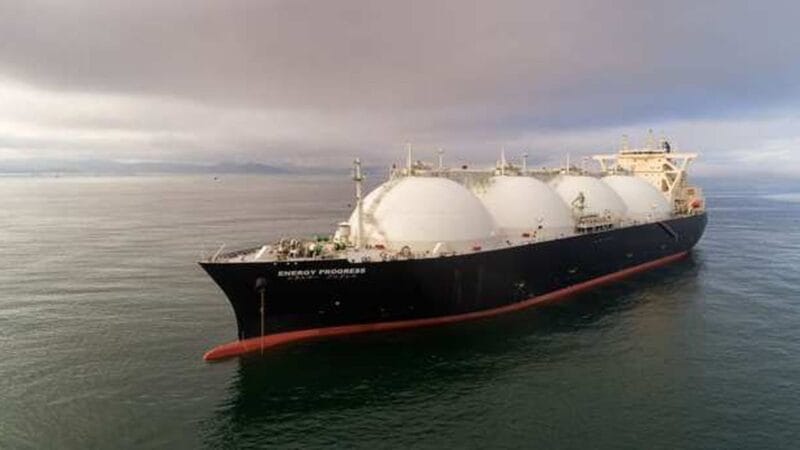
In this arrangement, Morocco does not directly source gas from Spain as a supplier. Gas is purchased on the international market, delivered as liquefied natural gas (LNG), regasified at Spanish terminals, and then transported to Morocco via the pipeline, primarily from Tarifa.
This structure allows Morocco to transition from dependence on a single regional supplier to indirect access to the global market, while still being exposed to price volatility and geopolitical balances.
2025: A record in imports and near maximum capacity utilization
The figures for 2025 confirm the extent of this new dependency. Morocco imported 10,375 GWh of natural gas from Spain, a rise of 7% compared to 2024, setting a record since the reactivation of the pipeline.
This increase is part of a continuous trend:
- 9,471 GWh in 2023
- 9,703 GWh in 2024 (+2.8%)
- 10,375 GWh in 2025 (+7%)
The 2025 figure represents over 90% of the estimated annual capacity of the pipeline (11,500 GWh), with some months even exceeding theoretical monthly limits. This situation highlights the growing pressure on infrastructure and the strategic role of the system in national supply.
Morocco, the second-largest client of re-exported gas from Spain
Another significant indicator: Morocco accounts for nearly 26% of the gas re-exported by Spain, positioning it as its second-largest client, behind France (approximately 35%). This reality confirms that the energy relationship between Rabat and Madrid is now established beyond the diplomatic context.
A two-speed strategy: renewables on one side, gas infrastructure on the other
This increasing reliance on gas is part of a broader reconfiguration of Moroccan energy policy. On one hand, the Kingdom is accelerating efforts in solar and wind initiatives, aiming for decarbonization and industrial attractiveness. On the other, it is building a gas foundation aimed at securing electricity supply, supporting industry, and stabilizing the grid against the intermittency of renewables.
In this framework, gas is not presented as a setback for climate efforts but as a transitional tool to avoid disruptions, ensure production continuity, and reduce vulnerability to liquid fuels.
Towards a more comprehensive gas architecture
To support this dynamic, Morocco is moving towards a more structured strategy that relies on developing new infrastructures: lng terminals, storage capacities, and internal connections to transport gas to industrial zones and power plants.
The stated goal goes beyond mere importation: it aims to lay the groundwork for a better-organized domestic gas market, with regulations, operators, contracts, and investments capable of transforming a temporary dependency into a sustainable lever of energy sovereignty.
With Les Inspirations Eco