

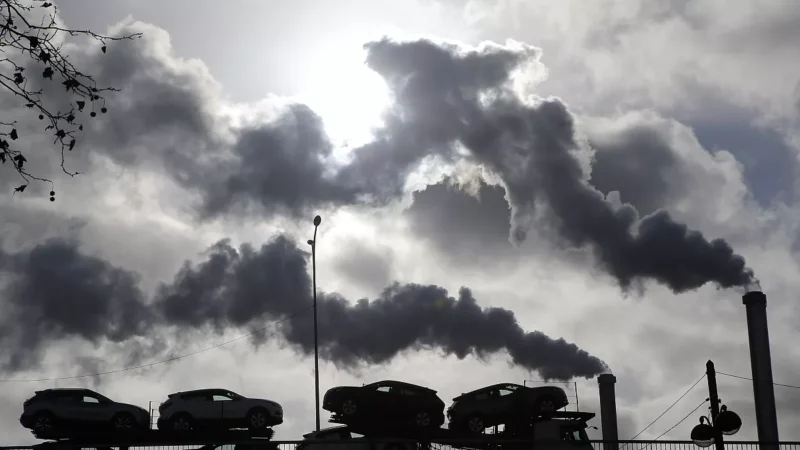
Fifteen years after their adoption, the emission limits governing atmospheric discharges from Moroccan industrial activities are set to be revised. This initiative, led by the Ministry of Sustainable Development, aims to enhance health and environmental protection while considering economic constraints and climate change challenges.
Air quality has become a major concern for the country. Industries—including phosphates, cement, steel, brick, ceramics, agri-food, and sugar—are responsible for releasing harmful gases such as nitrogen dioxide, ozone, sulfur dioxide, and lead, along with fine particulate matter. These pollutants have a direct impact on human health and the environment, making the update of existing standards urgent.
The initiative is based on close consultation with the relevant industrial sectors, as well as with the departments of industry, energy, craftsmanship, and economic representatives (CGEM, federations, and professional associations). The objective is to propose ambitious yet feasible standards that balance health imperatives, technical feasibility, and industrial competitiveness.
A comprehensive assessment of current standards will be conducted, including the mapping of the main polluting activities and an analysis of health impacts. An international benchmark will allow for comparisons with best practices adopted elsewhere, while considering Morocco’s socio-economic context.
The new emission limits will incorporate technological advancements, recommendations from the World Health Organization, and local constraints. They will be accompanied by suitable monitoring and self-control systems and are expected to lead to an update of the 2010 decree, aligning the regulatory framework with current realities.
Behind this revision lies a dual objective: effectively protecting citizens and the environment while supporting Morocco’s industrial competitiveness. The new standards will aim to reconcile ecological ambition with economic development, within a framework of sustainability and adaptation to climate challenges.