

Close Menu
Greentimes
    Qoui de neuf

    Child Protection: ONDE Evaluates Its 2025 Performance and Strengthens Its Partnership Network

    31 March 2026

    Human Development: Rabat Highlights Morocco’s Progress and Measurement Challenges

    31 March 2026

    Green EMI Expo 2026: Rabat at the Forefront of Sustainable Innovation

    30 March 2026
    Facebook X (Twitter) Instagram
    GreentimesGreentimes
    • Home
    • CSR
    • Energy Transition and Renewables
    • Sustainability
    • Climate Change
    • Analyses and Opinions
    • Datas
    • Dates & events
    • Last news
    • FR
    Friday 7 August 2026
    Facebook X (Twitter) Instagram
    Greentimes
    Home » Morocco Sustains Food Standards: Morocco Establishes a New Sustainability Standard and Affirms its Position as an African Hub of Agro-Excellence
    Sustainability

    Morocco Sustains Food Standards: Morocco Establishes a New Sustainability Standard and Affirms its Position as an African Hub of Agro-Excellence

    26 November 2025No Comments2 Mins Read
    Facebook Twitter Pinterest LinkedIn Tumblr Reddit WhatsApp Email
    Share
    Facebook Twitter LinkedIn Pinterest WhatsApp Email

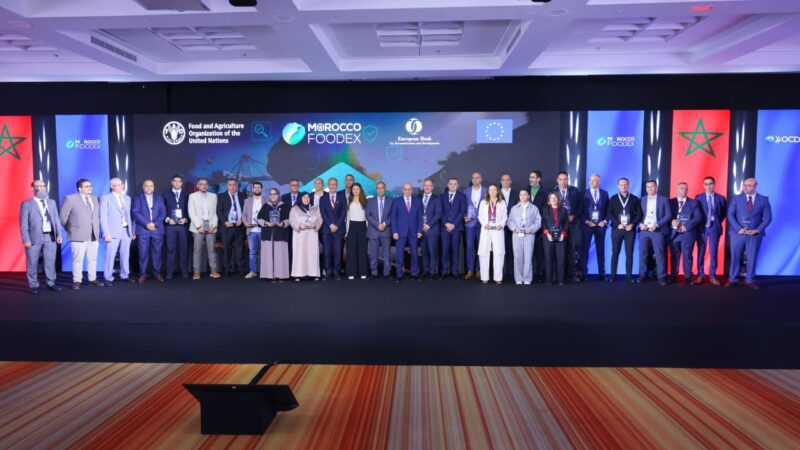
    Morocco has taken a significant strategic step in upgrading its agricultural offerings. In Agadir, during the OECD meetings for fruits and vegetables, the Kingdom officially launched the Morocco Sustain Food Standard (MSFS): a national label dedicated to sustainability, developed by Morocco Foodex with support from the FAO, and co-financed by the EBRD and the European Union.

    A label that structures Morocco’s sustainability ambition

    The MSFS now provides a clear framework for agribusinesses aiming to adopt responsible practices. Three levels of certification—Commitment, Mastery, Excellence—define criteria covering governance, regulatory compliance, social responsibility, and environmental performance. For this first edition, 22 pilot companies from the citrus, fresh produce, processed products, and fishing sectors were recognized at an official ceremony.

    A thoughtful approach to capacity building on the ground

    The development of the label was based on a progressive roadmap:

    • a national caravan deployed in six regions to raise awareness among professionals,
    • a feasibility study conducted with 30 companies to identify operational needs,
    • an international benchmark carried out with the International Trade Centre to compare the MSFS with 16 global standards,
    • a comprehensive training program for auditors and businesses.

    The objective is to provide Moroccan operators with a credible tool aligned with the expectations of international markets, particularly European ones, within the framework of the Green Deal.

    A harmonization dynamic driven by Moroccan expertise

    During the same period, the Kingdom hosted a series of technical and strategic meetings: the 19th Meeting of Heads of National Inspection Services of the OECD, the Harmonization Workshops for Compliance Checks, and the 84th Plenary Meeting of the OECD regime for fruits and vegetables. More than twenty countries were represented, alongside international institutions.

    These workshops allowed inspectors and sector stakeholders to work on practical cases to enhance the harmonization of checks, ensure compliance with international standards, and better promote the quality of Made in Morocco products.

    A clear vision of regional leadership

    In the inaugural session, Minister of Agriculture Ahmed El Bouari emphasized that organizing these events reflects Morocco’s recognition for its advances in sustainability, quality, and agricultural competitiveness. He reaffirmed the Kingdom’s guiding principle: an agricultural model based on cooperation, transparency, and sustainability, aiming for a food future that is “safer, more sustainable, and more equitable.”

    With the MSFS, Morocco positions itself not only as a reliable supplier for international markets but also as a leading African player in standardization, quality, and the sustainable transition of agricultural sectors.

    agriculture: agro-food industry certification European Union FAO food standards Green Deal international markets quality sustainability:
    Previous ArticleClimate: Morocco Ranks 6th Globally in the CCPI-2026
    Next Article Electricity Generation: Production Increases by 5.9% by the End of September 2025 (DEPF)

    Related Posts

    Green EMI Expo 2026: Rabat at the Forefront of Sustainable Innovation

    30 March 2026

    Sustainable Irrigation: The World Bank Establishes the “Moroccan Model” as a Global Reference

    27 March 2026

    Energy: Moroccan Electricity Production Shows Slight Increase at the Beginning of 2026

    27 March 2026
    Leave A Reply Cancel Reply

    Ne ratez pas
    CSR

    Child Protection: ONDE Evaluates Its 2025 Performance and Strengthens Its Partnership Network

    31 March 20260

    The National Observatory for Children’s Rights (ONDE) held its annual meeting in Rabat, presided over…

    Human Development: Rabat Highlights Morocco’s Progress and Measurement Challenges

    31 March 2026

    Green EMI Expo 2026: Rabat at the Forefront of Sustainable Innovation

    30 March 2026

    Sustainable Irrigation: The World Bank Establishes the “Moroccan Model” as a Global Reference

    27 March 2026
    Restez connecté
    • Facebook
    • Twitter
    • Pinterest
    • Instagram
    • YouTube
    • Vimeo
    Nos vidéos

    The circular economy at the heart of LabelVie group’s initiatives.

    10 July 2025

    Mounir El Bari: “Our great ecological challenge is access to the resource!”

    10 July 2025

    Driss Nahya: “Control must be strengthened to access the waste deposit.”

    10 July 2025

    Reda Boukallal: “Priority to the valorization of household waste”

    10 July 2025
    Facebook X (Twitter) Instagram Pinterest
     
    © 2026 Green Times.

    Type above and press Enter to search. Press Esc to cancel.