

Close Menu
Greentimes
    Qoui de neuf

    Child Protection: ONDE Evaluates Its 2025 Performance and Strengthens Its Partnership Network

    31 March 2026

    Human Development: Rabat Highlights Morocco’s Progress and Measurement Challenges

    31 March 2026

    Green EMI Expo 2026: Rabat at the Forefront of Sustainable Innovation

    30 March 2026
    Facebook X (Twitter) Instagram
    GreentimesGreentimes
    • Home
    • CSR
    • Energy Transition and Renewables
    • Sustainability
    • Climate Change
    • Analyses and Opinions
    • Datas
    • Dates & events
    • Last news
    • FR
    Wednesday 22 July 2026
    Facebook X (Twitter) Instagram
    Greentimes
    Home » Morocco-Nigeria Gas Pipeline: the first construction agreements signed in 2025.
    Energy Transition and Renewables

    Morocco-Nigeria Gas Pipeline: the first construction agreements signed in 2025.

    2 December 2024No Comments2 Mins Read
    Facebook Twitter Pinterest LinkedIn Tumblr Reddit WhatsApp Email
    Share
    Facebook Twitter LinkedIn Pinterest WhatsApp Email

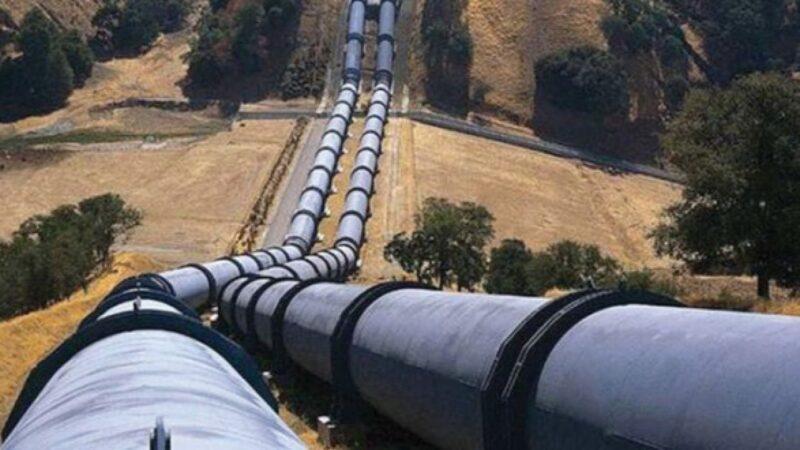
    The Nigeria-Morocco gas pipeline project, a strategic energy corridor linking West Africa to Europe, will enter an active phase starting in 2025. After years of preparations and technical studies, the first construction agreements will be signed, marking a decisive step for this ambitious initiative that will span 5,600 kilometers and cross several African countries.

    ### A Major Energy Infrastructure

    The idea for this gas pipeline, born in 2016 during a meeting between Mohammed VI and Nigerian President Muhammadu Buhari, aims to connect Nigeria to Morocco by passing through nations such as Ghana, Ivory Coast, Senegal, and Mauritania. This corridor will transport up to 30 billion cubic meters of gas per year, thus becoming a key solution for electrification and socio-economic development in the region. It will also help strengthen African economic integration and diversify energy supplies for Europe via the Maghreb-Europe pipeline.

    ### A Project Supported by International Partners

    Initially funded by the Islamic Development Bank and the OPEC Fund, the project has attracted numerous partners, including African and international institutions. The Nigerian National Petroleum Company (NNPC) has asserted its ability to realize this strategic project, which will benefit landlocked countries like Niger and Burkina Faso, while promoting access to energy for millions of people.

    ### Challenges and Opportunities

    Although the prospects are promising, challenges remain, particularly in coordinating between the various countries involved and financing the infrastructure. However, Morocco, already a pioneer in renewable energies and aspiring to become a leader in green hydrogen, plays a key role in this vision of African integration.

    The Nigeria-Morocco gas pipeline, by linking Nigeria’s abundant energy resources to the growing energy needs of Morocco and Europe, illustrates an exemplary South-South cooperation that could transform the energy landscape of the continent.

    agreements. construction first Morocco-Nigeria Pipeline:
    Previous ArticleMorocco Digital 2030: Digital Technology to the Rescue of Water
    Next Article The recycling industry: ally or alibi of hyperconsumption?

    Related Posts

    Green Finance: KfW Injects 31 Million Euros to Decarbonize Moroccan SMEs

    27 March 2026

    Maritime Transport: OCP and British Quadrise Test a “Green” Fuel

    25 March 2026

    Electricity: Morocco Nearly Achieves Total Electrification and Accelerates Renewable Energy Initiatives

    24 March 2026
    Leave A Reply Cancel Reply

    Ne ratez pas
    CSR

    Child Protection: ONDE Evaluates Its 2025 Performance and Strengthens Its Partnership Network

    31 March 20260

    The National Observatory for Children’s Rights (ONDE) held its annual meeting in Rabat, presided over…

    Human Development: Rabat Highlights Morocco’s Progress and Measurement Challenges

    31 March 2026

    Green EMI Expo 2026: Rabat at the Forefront of Sustainable Innovation

    30 March 2026

    Sustainable Irrigation: The World Bank Establishes the “Moroccan Model” as a Global Reference

    27 March 2026
    Restez connecté
    • Facebook
    • Twitter
    • Pinterest
    • Instagram
    • YouTube
    • Vimeo
    Nos vidéos

    The circular economy at the heart of LabelVie group’s initiatives.

    10 July 2025

    Mounir El Bari: “Our great ecological challenge is access to the resource!”

    10 July 2025

    Driss Nahya: “Control must be strengthened to access the waste deposit.”

    10 July 2025

    Reda Boukallal: “Priority to the valorization of household waste”

    10 July 2025
    Facebook X (Twitter) Instagram Pinterest
     
    © 2026 Green Times.

    Type above and press Enter to search. Press Esc to cancel.