

Close Menu
Greentimes
    Qoui de neuf

    Moroccan Forests: The EIB Provides €110 Million Support for Sustainable and Inclusive Management

    16 February 2026

    Sila Atlantik: Morocco and Germany Invest in a Green Electric Bridge Between Africa and Europe

    16 February 2026

    Urban Cleanliness: Casablanca Unanimously Adopts a New Framework for Waste Collection

    16 February 2026
    Facebook X (Twitter) Instagram
    GreentimesGreentimes
    • Home
    • CSR
    • Energy Transition and Renewables
    • Sustainability
    • Climate Change
    • Analyses and Opinions
    • Datas
    • Dates & events
    • Last news
    • FR
    Monday 16 February 2026
    Facebook X (Twitter) Instagram
    Greentimes
    Home » Moroccan dams exceed 70% capacity, totaling 11.8 billion cubic meters
    Sustainability

    Moroccan dams exceed 70% capacity, totaling 11.8 billion cubic meters

    16 February 2026No Comments3 Mins Read
    Facebook Twitter Pinterest LinkedIn Tumblr Reddit WhatsApp Email
    Share
    Facebook Twitter LinkedIn Pinterest WhatsApp Email

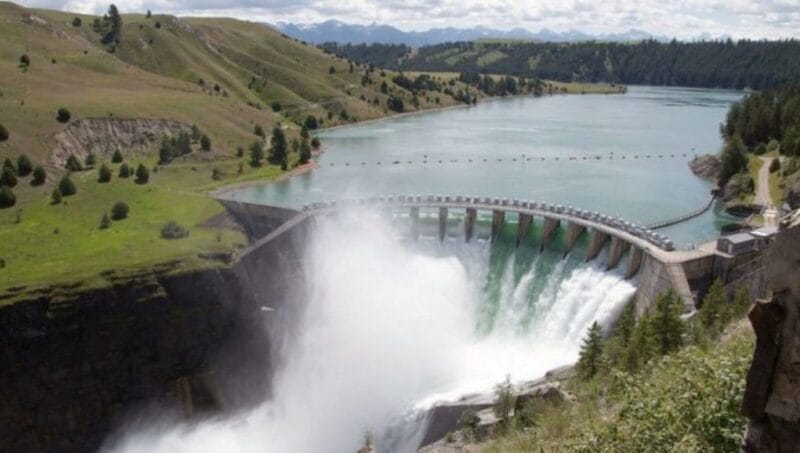
    The water situation in the Kingdom is experiencing a spectacular improvement. As of Sunday, February 15, 2026, water resources stored in Morocco’s dams have reached 11.8 billion cubic meters, marking an increase of approximately 153% compared to the same period last year. The overall filling rate now stands at 70.3%, confirming a significant recovery after several years marked by severe water stress.

    Over the past twelve months, the national rate has risen from below 30% to over 70%, reflecting the cumulative effect of substantial rainfall recorded since the beginning of the season, particularly in the northern regions. This rapid replenishment of reserves provides considerable leeway for drinking water supply and irrigation, while also enhancing resilience against climate-related uncertainties.

    The Sebou basin remains the main pillar of national reserves, with a filling rate of 91.3% and over 5 billion m³ stored. The Al Wahda (93%), Idriss I (94%), and Allal El Fassi (98%) dams are showing particularly high levels, bolstering water security in a region crucial for agriculture and urban supply. In the Loukkos, the rate reaches 94.2%, with nearly 1.8 billion m³ mobilized. The Oued El Makhazine dam is among those that have reached full capacity, illustrating the favorable situation observed in the north.

    The Bouregreg basin is following the same trend with a rate of 92.8% and over 1 billion m³ stored, notably due to the Sidi Mohamed Ben Abdellah dam, filled to 94%. The Tensift also confirms its progress, reaching 84.4% with nearly 192 million m³, while structures such as Abou Abbas El Sabti (98%) and Mly Abderrahmane (95%) are nearing saturation.

    To the east, the Moulouya records a rate of 59.3% and over 425 million m³ stored. The Mohammed V dam shows 90%, although disparities continue to exist among infrastructures. The Oum Er-Rbia basin reaches 44.8%, totaling over 2.2 billion m³, supported by Ahmed El Hansali (86%), Moulay Youssef (87%), and Bin El Ouidane (62%), while Al Massira remains at 21%. The Souss-Massa shows 54.5%, with nearly 399 million m³ mobilized, confirming gradual improvement.

    In the southeast, the Guir-Ziz-Rhéris basin reaches 60.1%, driven notably by the Hassan Addakhil dam (77%). The Drâa-Oued Noun records 33.8% and approximately 355 million m³, a still moderate level but significantly improved compared to the previous year.

    With a national rate exceeding 70% and reserves peaking at 11.8 billion m³, Morocco’s dams have returned to an unprecedented level in recent years. This water recovery reinforces security for drinking water and irrigation while highlighting the necessity for continued sustainable and anticipatory management of resources in the face of climatic uncertainties.

    agricultural security climate resilience drought recovery environmental sustainability irrigation: national water level rainfall reservoirs water management water resources
    Previous ArticleStellantis Morocco and Attawfiq Microfinance Join Forces to Democratize Professional Electric Mobility
    Next Article The Green Energy Park Morocco–Ivory Coast inaugurated in Yamoussoukro to enhance African solar research

    Related Posts

    Moroccan Forests: The EIB Provides €110 Million Support for Sustainable and Inclusive Management

    16 February 2026

    Urban Cleanliness: Casablanca Unanimously Adopts a New Framework for Waste Collection

    16 February 2026

    Climate Resilience: A Call for Projects to Make Morocco a Hub for South-South Cooperation

    13 February 2026
    Leave A Reply Cancel Reply

    Ne ratez pas
    Sustainability

    Moroccan Forests: The EIB Provides €110 Million Support for Sustainable and Inclusive Management

    16 February 20260

    The European Investment Bank (EIB) is strengthening its financial support for Morocco by providing an…

    Sila Atlantik: Morocco and Germany Invest in a Green Electric Bridge Between Africa and Europe

    16 February 2026

    Urban Cleanliness: Casablanca Unanimously Adopts a New Framework for Waste Collection

    16 February 2026

    The Green Energy Park Morocco–Ivory Coast inaugurated in Yamoussoukro to enhance African solar research

    16 February 2026
    Restez connecté
    • Facebook
    • Twitter
    • Pinterest
    • Instagram
    • YouTube
    • Vimeo
    Nos vidéos

    The circular economy at the heart of LabelVie group’s initiatives.

    10 July 2025

    Mounir El Bari: “Our great ecological challenge is access to the resource!”

    10 July 2025

    Driss Nahya: “Control must be strengthened to access the waste deposit.”

    10 July 2025

    Reda Boukallal: “Priority to the valorization of household waste”

    10 July 2025
    Facebook X (Twitter) Instagram Pinterest
     
    © 2026 Green Times.

    Type above and press Enter to search. Press Esc to cancel.