

In response to the increasing pollution risks associated with uncontrolled discharges of olive residue from oil mills, the Oum Er-Rbia Hydraulic Basin Agency (ABHOER) is intensifying its efforts to preserve water resource quality and ensure a sustainable balance between surface water and groundwater.
This mobilization is part of the High Royal Instructions of His Majesty King Mohammed VI, may God protect him, aimed at safeguarding the strategic resources of the Kingdom, especially water, and aligns with the strategy of the Ministry of Equipment and Water focused on raising awareness, prevention, and holding economic actors accountable.
A Major Environmental Challenge in Olive-Growing Areas
The olive cultivation sector is experiencing significant expansion, leading to a proliferation of milling units. While this development represents an important economic lever, it also brings with it major environmental challenges, particularly related to the indiscriminate discharge of olive residues into the natural environment.
Such practices have direct and serious consequences: pollution of groundwater, rivers, and dams, destruction of aquatic life, reduction of river flows, clogging of irrigation canals, degradation of hydraulic infrastructure, and alteration of natural landscapes. These impacts pose a lasting threat to ecosystems and agricultural and domestic water uses.
Awareness, Support, and Concrete Solutions
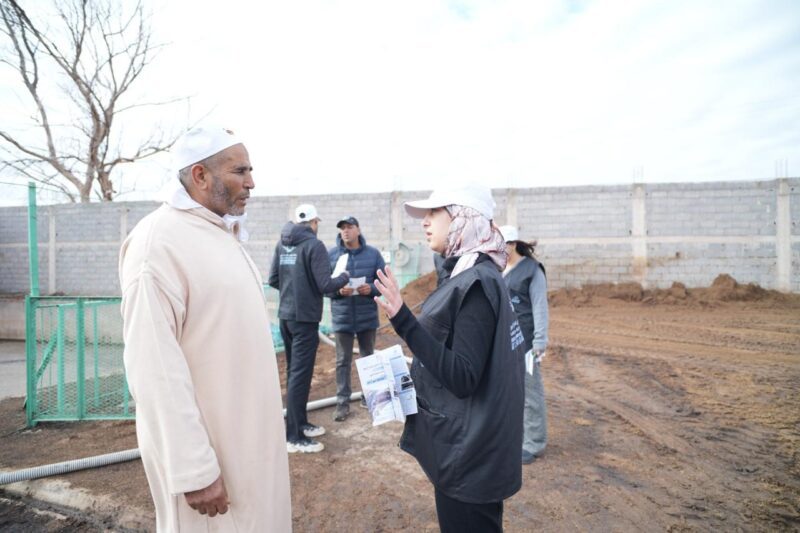
To curb this phenomenon, the Oum Er-Rbia Basin Agency conducts targeted awareness campaigns every year, coordinated with local authorities and relevant partners, particularly as the olive harvest and oil production season approaches. These actions cover all the provinces within its intervention area.
Operationally, the Agency recommends, among other things:
- installing impermeable basins at oil mills for controlled evaporation of residues;
- the treatment of olive waste using environmentally friendly processes.
Additionally, ABHOER supports initiatives for sustainable waste management by providing technical assistance and, in some cases, contributing to the financing of treatment facilities as part of partnership agreements.
Sanctions Provided by Law
The Agency reminds that pollutant discharges are offenses subject to severe penalties in accordance with Water Law No. 36-15. Any oil mill owner found guilty of polluting water resources faces fines ranging from 10,000 to 500,000 dirhams, whether for direct discharges into watercourses or contamination of groundwater.
Toward a Sustainable and Responsible Olive Sector
Through this renewed appeal, the Oum Er-Rbia Hydraulic Basin Agency urges all stakeholders, particularly oil mill owners, to actively engage in environmental protection and water resource management.
The dual goal is to preserve a vital water heritage for future generations and to support the modernization of the olive oil sector, which is expected to play a key role in an inclusive, responsible, and sustainable development model.