






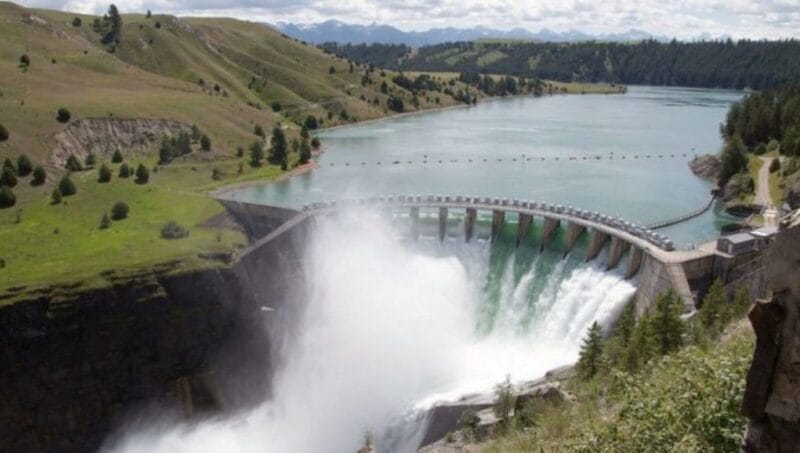
The first rains of January 2026 have had an immediate impact on Morocco’s water reserves. In just five days, the total volume of water stored in the Kingdom’s dams increased by 540 million cubic meters, raising the national filling rate from 39.2% to 42.5%. This rapid and encouraging improvement, however, does not mask the significant disparities between basins.
According to official data as of January 5, 2026, total reserves increased from 6.583 billion cubic meters to 7.123 billion, reflecting the direct impact of the precipitation recorded since the end of the previous year. This rise of 3.3 percentage points in less than a week illustrates the sensitivity of the national hydraulic system to rainfall events, particularly in the Sebou, Oum Er-Rbia, and Loukkos basins.
This improvement comes after a challenging 2025 marked by continued pressure on water resources due to prolonged rainfall deficits and several demanding agricultural seasons. It thus offers a welcome respite at the beginning of the year, though it does not signify a sustainable turnaround.
### Dams in the North Near Saturation
In several structures, the contributions have been particularly significant. The Ahmed El Hanssali dam saw its filling rate increase from 27% to 34%, thanks to an influx of nearly 50 million cubic meters. The Al Wahda dam, a cornerstone of the national hydraulic system, benefited from over 130 million additional cubic meters, raising its filling rate from 50% to 54%.
In the northern basins, the situation appears markedly more comfortable. The Sidi Med Ben Abdellah and Oued El Makhazine dams, already well-filled at the end of December, reached nearly their maximum capacity, at about 98%. This situation bolsters the security of drinking water and irrigation supplies in these traditionally well-watered regions.
### Strategic Structures Still Under Pressure
Conversely, several major dams remain in a concerning situation despite the overall improvement. The Al Massira dam, crucial for supplying water to Greater Casablanca and irrigating vast agricultural areas in the Center, hovers around a 5% filling rate. The recorded contributions remain insufficient for initiating a significant recovery.
The Bin El Ouidane and Hassan II dams also display low levels, with marginal increases of only two to three percentage points. This situation continues to weigh on hydropower production and the availability of water for agricultural use, particularly in regions dependent on these structures.
### A Fragile Respite Amidst Structural Tensions
While the improvement observed at the beginning of 2026 is a positive sign, it does not address the structural imbalances in water management in Morocco. Increased dependence on rainfall, combined with population growth, urbanization, and agricultural needs, maintains constant pressure on water resources.
In light of this reality, authorities are pursuing a strategy to diversify supply sources, based on the development of seawater desalination, the reuse of treated wastewater, and enhancing inter-basin connections.
The evolution of the situation over the coming weeks will be crucial. A prolonged rainfall deficit could quickly erase the gains made at the start of the year. Vigilance remains essential, especially for strategic dams, whose fragility necessitates rigorous management and heightened anticipation of climate risks.