






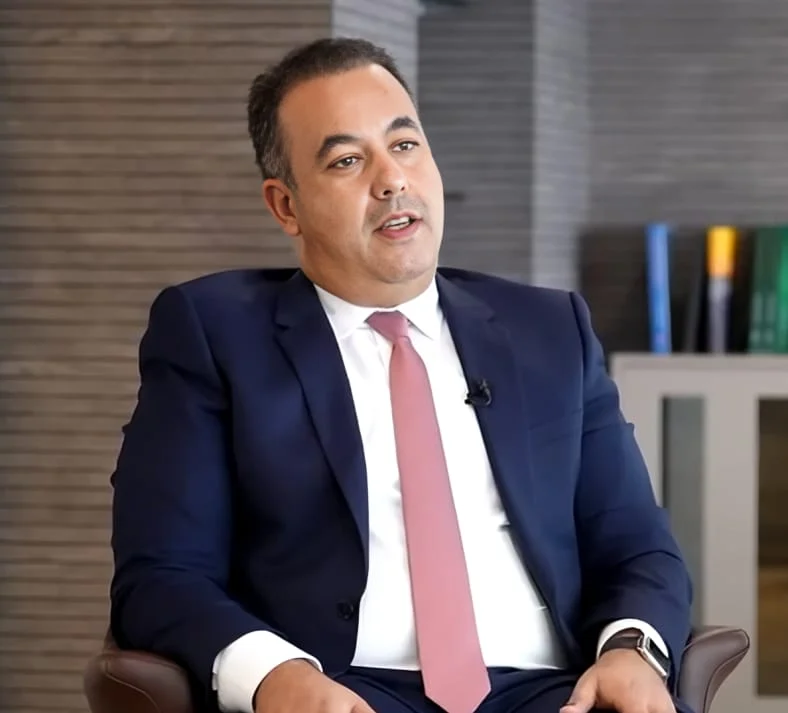
On the occasion of Clean Energy International Day, Tarik Ameziane Moufaddal, the Chief Executive Officer of the Moroccan Agency for Sustainable Energy (MASEN), highlights in an interview with MAP the achievements and progress made by the Kingdom in terms of energy transition.
He also discusses the role of renewable energy projects as levers for inclusive development, capable of promoting national industry, enhancing local skills, and creating value for communities.
1. Solar and wind energy have seen significant growth in recent years in the Kingdom. What are the next objectives to be achieved and the projects to be undertaken?
Under the auspices of His Majesty King Mohammed VI, may God assist Him, Morocco has strategically chosen to place renewable energy at the heart of its development model. This ambitious vision is already bearing fruit: over 46% of the Kingdom’s installed electrical capacity now comes from renewable sources, confirming the robustness of the embarked trajectory.
Upcoming objectives align with this momentum. The aim is to enhance the integration of solar and wind energy to reach and exceed 52% of renewable energy by 2030, while preparing the energy system for longer-term challenges.
This transition is crucial: electric demand grows by more than 7% per year, driven by economic growth and the emergence of new uses.
To achieve this, several priority projects include deploying new renewable capacities, integrating flexibility and storage solutions, and anchoring projects within communities to maximize their social and economic impact.
This ambition enters a decisive phase in 2026, the year of realization for major projects led by MASEN, with an additional 5 GW of capacity scheduled by 2030.
Among these are the NOOR Atlas solar program, the NOOR Midelt solar complex, multi-site photovoltaic projects, and the wind farms of the NASSIM program to be deployed in various regions of the Kingdom.
These projects illustrate the innovative momentum we are pursuing: competitive and high-performance projects designed to be powerful levers for sustainable development, serving communities and the national economy.
2. What are the advancements of the “Moroccan Offer” for green hydrogen?
Today, Morocco is committing to the green hydrogen sector with ambition and pragmatism. This direction has materialized through the launch of the “Moroccan Green Hydrogen Offer,” a key step in the ongoing energy transition.
MASEN, as the focal point of this initiative, is driving the momentum in close coordination with public and private stakeholders. The strategy is based on clear governance, a transparent framework for investors, and a progressive approach tailored to the maturity of this emerging sector.
In less than two years, the advancements are already tangible: the Moroccan Offer has garnered interest from leading investors. Seven integrated green hydrogen and derivative projects have been selected in the southern regions of the Kingdom, led by national and international consortiums, representing significant investments.
However, the ambition extends beyond the projects. The Moroccan Offer acts as a catalyst for structuring a complete ecosystem: infrastructure, innovation, training, and industrial integration.
The objective is clear: to position Morocco as the essential platform for the production and export of green hydrogen, making it a lever for industrial competitiveness and a driver of sustainable regional development.
3. What challenges confront the renewable energy sector in Morocco?
The renewable energy sector in Morocco is ambitious and structural, offering opportunities but also strategic challenges.
The first challenge is to massively integrate solar and wind energies into the electricity mix amidst strong demand growth and the emergence of new uses. This requires continuously adapting development models and technological solutions, particularly in storage to manage intermittency.
Another major issue is to maintain the competitiveness of projects while raising standards for performance, sustainability, and local impact. The rapid evolution of technologies, markets, and financing mechanisms necessitates a permanent ability to adapt—a strength that has characterized the Moroccan model since its inception.
Finally, the energy transition must remain a lever for inclusive development. It should enhance national industrial integration, develop skills, and generate positive benefits for communities.
It is this comprehensive approach, combining long-term vision, innovation, and public-private partnerships, that will allow Morocco to meet these challenges and consolidate its role as a regional and continental leader in renewable energies.
Interview conducted by Ilias Khalafi
Source: MAP


