

Close Menu
Greentimes
    Qoui de neuf

    Sustainable Irrigation: The World Bank Establishes the “Moroccan Model” as a Global Reference

    27 March 2026

    Energy: Moroccan Electricity Production Shows Slight Increase at the Beginning of 2026

    27 March 2026

    Bayer Crop Science Implements Its “Invictus” Strategy for North Africa

    27 March 2026
    Facebook X (Twitter) Instagram
    GreentimesGreentimes
    • Home
    • CSR
    • Energy Transition and Renewables
    • Sustainability
    • Climate Change
    • Analyses and Opinions
    • Datas
    • Dates & events
    • Last news
    • FR
    Friday 27 March 2026
    Facebook X (Twitter) Instagram
    Greentimes
    Energy Transition and Renewables

    Green Finance: KfW Injects 31 Million Euros to Decarbonize Moroccan SMEs

    27 March 2026No Comments2 Mins Read
    Facebook Twitter Pinterest LinkedIn Tumblr Reddit WhatsApp Email
    Share
    Facebook Twitter LinkedIn Pinterest WhatsApp Email

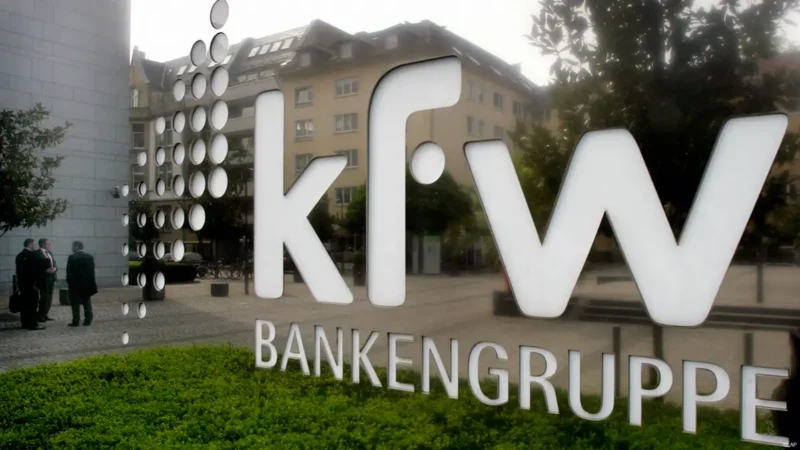
    The financial arm of German development, KfW, is set to unlock a significant line of credit for Tamwilcom. This financing of 31 million euros (approximately 340 million dirhams) will boost the “Green Invest” initiative, providing much-needed support for small businesses engaged in ecological transition.

    Morocco’s entrepreneurial fabric is on the brink of a crucial green shift. While very small, small, and medium enterprises (TPMEs) account for 93% of businesses in the Kingdom and employ nearly half of the active population, their access to climate financing remains the main bottleneck in the national strategy. By partnering with Tamwilcom, the German development bank KfW offers a concrete response to an estimated green financing deficit of 78 billion dollars at the national level.

    “Green Invest”: The Co-Financing Lever

    The mechanism is designed to maximize impact. KfW’s line of credit will allow Tamwilcom to co-finance, in collaboration with local banks, projects that have a significant environmental impact. The idea is to share the risks to encourage the private banking sector to lend more to sustainable projects.

    Priority Sectors Targeted by This Financing:

    • Renewable Energy: Small solar and photovoltaic installations.
    • Energy Efficiency: Modernizing industrial processes to reduce consumption.
    • Circular Economy: Recycling projects and optimized waste management.
    • Water Resources: Water treatment facilities and desalination units.

    Inclusive and Responsible Finance

    Beyond the purely monetary aspect, this partnership introduces high governance standards. Tamwilcom will need to implement an environmental and social management system aligned with World Bank standards.

    The program also highlights a strong social dimension: special attention will be given to women-led businesses to break the glass ceiling that often restricts their access to climate financing.

    Training Banks on the “Green Reflex”

    One of the major challenges of this line of credit is enhancing the skills of the Moroccan financial sector. The project outlines training sessions for bank executives to strengthen their ability to assess the viability and real impact of ecological projects.

    Classified with a “moderate” environmental risk (FI/B), this program positions itself as a structured transition tool, ensuring that every dirham invested genuinely contributes to reducing Morocco’s greenhouse gas emissions. For Moroccan TPMEs, the low-carbon transition is no longer just a moral imperative; it is, thanks to Tamwilcom and KfW, an accessible modernization opportunity.

    circular economy climate financing energy efficiency environmental governance financial support financial training green investment renewable energy sustainable projects women's entrepreneurship
    Previous ArticleForest Management: Morocco Showcases Its Expertise to Finland in the Heart of Maâmora
    Next Article Bayer Crop Science Implements Its “Invictus” Strategy for North Africa

    Related Posts

    Sustainable Irrigation: The World Bank Establishes the “Moroccan Model” as a Global Reference

    27 March 2026

    Maritime Transport: OCP and British Quadrise Test a “Green” Fuel

    25 March 2026

    Electricity: Morocco Nearly Achieves Total Electrification and Accelerates Renewable Energy Initiatives

    24 March 2026
    Leave A Reply Cancel Reply

    Ne ratez pas
    Sustainability

    Sustainable Irrigation: The World Bank Establishes the “Moroccan Model” as a Global Reference

    27 March 20260

    In its latest report on food security, the World Bank cites Morocco as a model…

    Energy: Moroccan Electricity Production Shows Slight Increase at the Beginning of 2026

    27 March 2026

    Bayer Crop Science Implements Its “Invictus” Strategy for North Africa

    27 March 2026

    Green Finance: KfW Injects 31 Million Euros to Decarbonize Moroccan SMEs

    27 March 2026
    Restez connecté
    • Facebook
    • Twitter
    • Pinterest
    • Instagram
    • YouTube
    • Vimeo
    Nos vidéos

    The circular economy at the heart of LabelVie group’s initiatives.

    10 July 2025

    Mounir El Bari: “Our great ecological challenge is access to the resource!”

    10 July 2025

    Driss Nahya: “Control must be strengthened to access the waste deposit.”

    10 July 2025

    Reda Boukallal: “Priority to the valorization of household waste”

    10 July 2025
    Facebook X (Twitter) Instagram Pinterest
     
    © 2026 Green Times.

    Type above and press Enter to search. Press Esc to cancel.