

Morocco is continuing to strengthen the role of renewable energy in its electricity mix, despite a temporary slowdown in solar production. This is highlighted in the 2025 annual report from the National Electricity Regulatory Authority (ANRE), published at the end of last year, which offers a detailed overview of production and installed capacities for 2024.
According to the document, the share of renewable energy in national electricity production reached 27% in 2024, up from lower levels the previous year, indicating a significant increase in the contribution of green sources. In terms of volume, renewable energy production totaled 11,666 GWh out of a national total of 43,713 GWh.
This trend is also reflected in installed capacities. The cumulative power of renewable installations increased by about 18% over the year, reaching 5,439 MW, which now represents nearly 45% of the country’s total electric capacity. For ANRE, this development confirms “the growing integration of renewable energy into the national electricity mix” and Morocco’s commitment to decarbonization and energy security.
### Wind Power: The Main Driver of Green Production
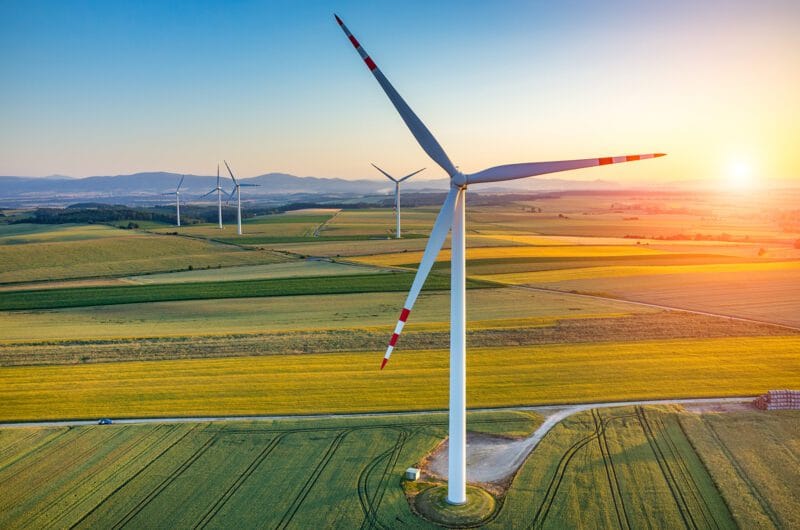
In detail, wind power emerged as the main renewable source in 2024. With a production of 9,363 GWh, it alone accounted for 21% of the national electricity mix and nearly 80% of renewable energy production. This performance underscores the maturity of the Moroccan wind energy sector and its structural role in the country’s energy architecture.
Solar energy, on the other hand, produced 1,617 GWh, approximately 4% of the electricity mix and 14% of renewable production. Hydropower and pumped storage stations contributed about 1% each to the mix, with 321 GWh and 325 GWh, respectively.
In terms of installed capacities, the distribution reflects this hierarchy. The national renewable fleet consists of 44% wind installations, 24% hydropower dams, 17% solar, and 14% pumped storage.
### A Temporary Decline in Solar Production
One significant takeaway from the report is the decline in solar production in 2024, estimated at nearly 25% compared to 2023. This drop is primarily attributed to the unavailability of the Noor Ouarzazate III plant, a key component of the Ouarzazate solar complex.
Despite this temporary setback in production, the solar sector continues to strengthen in terms of capacity. Installed solar power reached 928 MW in 2024, an increase of approximately 12% year-on-year. It now accounts for 17% of renewable capacities and nearly 8% of the country’s total electric capacity.
Solar production is largely driven by Masen, which accounts for nearly 86% of the solar electricity produced, followed by ONEE with just over 13%, while self-production remains marginal, around 0.2%, primarily through the OCP plant in Benguerir, which was commissioned in 2024.
### A Confirmed Trajectory Towards the 2030 Goal
For analysts, the 2024 data confirms that Morocco remains on a path that aligns with its energy ambitions. The contraction in solar production appears to be an isolated incident rather than a sign of a structural reversal.
The reintegration of Noor Ouarzazate III in 2025, combined with the launch of new solar and wind projects, is expected to result in a rebalancing of renewable production in the coming years. In the medium term, these developments are set to enhance the share of clean energies and bring the Kingdom closer to its strategic goal: raising the share of renewables to 52% of the national electricity mix by 2030.