

Close Menu
Greentimes
    Qoui de neuf

    Child Protection: ONDE Evaluates Its 2025 Performance and Strengthens Its Partnership Network

    31 March 2026

    Human Development: Rabat Highlights Morocco’s Progress and Measurement Challenges

    31 March 2026

    Green EMI Expo 2026: Rabat at the Forefront of Sustainable Innovation

    30 March 2026
    Facebook X (Twitter) Instagram
    GreentimesGreentimes
    • Home
    • CSR
    • Energy Transition and Renewables
    • Sustainability
    • Climate Change
    • Analyses and Opinions
    • Datas
    • Dates & events
    • Last news
    • FR
    Thursday 6 August 2026
    Facebook X (Twitter) Instagram
    Greentimes
    Home » Carnegie Report: Morocco Facing Climate Challenges and the Limits of Its Green Transition
    Climate Change

    Carnegie Report: Morocco Facing Climate Challenges and the Limits of Its Green Transition

    11 March 2025No Comments2 Mins Read
    Facebook Twitter Pinterest LinkedIn Tumblr Reddit WhatsApp Email
    Share
    Facebook Twitter LinkedIn Pinterest WhatsApp Email

    A recent report from the **Carnegie Endowment for International Peace** highlights the major climate challenges facing Morocco. Despite its **ecological ambitions**, the country struggles to reconcile energy transition and resilience against the effects of **climate change**, particularly due to its **water and agricultural management**.

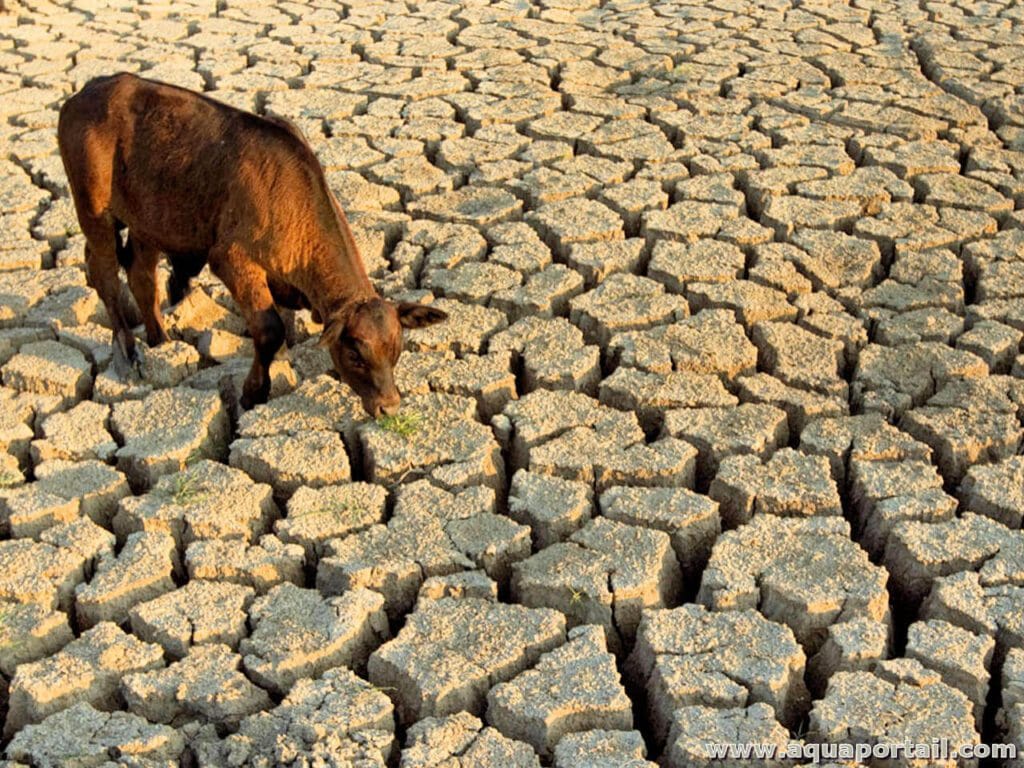
    While Morocco has established itself as a **pioneer in renewable energy**, its persistent dependence on **fossil fuels**, exacerbated by the global energy crisis, hinders its green ambitions. At the same time, pressure on water resources has reached a critical level: **93% of the territory is arid or semi-arid**, and the country suffers from one of the **highest water stress levels in the world**.

    According to Carnegie, Moroccan agriculture, which employs **30% of the workforce**, is one of the most vulnerable sectors. Policies favoring **water-intensive crops** (citrus fruits, watermelons) have exacerbated imbalances, while **90% of the drilled wells are illegal**, threatening groundwater supplies.

    Researchers also point to **inequalities in access to water**, worsened by controversial reforms such as the **law 83.21 on water privatization**. These measures, deemed opaque, risk further weakening **small farmers and rural communities**.

    In the face of these challenges, the report recommends:

    – A **diversification of crops** to reduce dependence on water-intensive production.
    – A **stricter regulation of irrigation** and better management of groundwater.
    – A more **inclusive and equitable governance** of water resources.

    As Morocco aims to **establish itself as a leader in sustainable development**, the **management of its natural resources** remains a major challenge to ensure an effective and socially equitable ecological transition.

    Carnegie climate facing Morocco Report
    Previous ArticleRural development: the strategy of the Agricultural Credit of Morocco
    Next Article Artificial intelligence and hydrocarbons: a constantly rising energy consumption.

    Related Posts

    Biodiversity: a report warns of the risk of losing 22% of Morocco’s natural heritage by 2050

    19 March 2026

    Climate: Morocco Shows a Negative Net Carbon Pricing Rate

    4 March 2026

    Sustainability: Morocco Among the Top African Beneficiaries of EIB Loans

    25 February 2026
    Leave A Reply Cancel Reply

    Ne ratez pas
    CSR

    Child Protection: ONDE Evaluates Its 2025 Performance and Strengthens Its Partnership Network

    31 March 20260

    The National Observatory for Children’s Rights (ONDE) held its annual meeting in Rabat, presided over…

    Human Development: Rabat Highlights Morocco’s Progress and Measurement Challenges

    31 March 2026

    Green EMI Expo 2026: Rabat at the Forefront of Sustainable Innovation

    30 March 2026

    Sustainable Irrigation: The World Bank Establishes the “Moroccan Model” as a Global Reference

    27 March 2026
    Restez connecté
    • Facebook
    • Twitter
    • Pinterest
    • Instagram
    • YouTube
    • Vimeo
    Nos vidéos

    The circular economy at the heart of LabelVie group’s initiatives.

    10 July 2025

    Mounir El Bari: “Our great ecological challenge is access to the resource!”

    10 July 2025

    Driss Nahya: “Control must be strengthened to access the waste deposit.”

    10 July 2025

    Reda Boukallal: “Priority to the valorization of household waste”

    10 July 2025
    Facebook X (Twitter) Instagram Pinterest
     
    © 2026 Green Times.

    Type above and press Enter to search. Press Esc to cancel.