

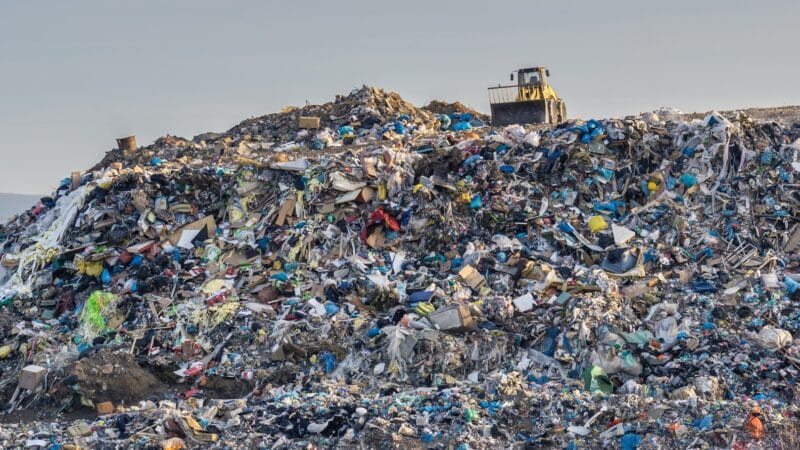
Presented for years as an emblematic achievement in sustainable waste management, the Oum Azza landfill now finds itself at the center of growing concern. Accumulating reports describe a site where dysfunctions have transformed a project meant to be exemplary into a major source of pollution. Leachate leaks, coupled with the release of harmful fumes, undermine both the surrounding land and the health of residents in neighboring areas.
The first alarm bells are ringing over the gradual infiltration of leachate into the soil. This liquid, resulting from the decomposition of waste, spreads into groundwater, jeopardizing agricultural fields that rely on these reserves for irrigation. The issue is particularly troubling given that the site was designed with strict ecological principles in mind, with facilities intended to specifically prevent this type of contamination. However, the equipment tasked with treating these effluents has proven insufficient, leading to overflow in the basins and widespread soil pollution.
In addition to this threat, there is also concern for ambient air quality. Fumes generated by uncontrolled waste burning disperse into the atmosphere, exposing local residents to toxic gases. Vulnerable individuals or those suffering from chronic illnesses feel the effects acutely, while residents describe a daily life marked by persistent odors and clouds of smoke regularly hovering over their homes.
Observations by local associations also highlight significant gaps in site monitoring. The oversight of leachate, as well as the quality of air and water, although part of management obligations, would be conducted irregularly. This situation has prompted several civil society actors to issue repeated alerts, fearing that the lack of rigorous control could lead to a large-scale ecological crisis.
In light of the serious findings, a coalition of environmental and civic organizations is calling for a thorough investigation into the adherence to commitments imposed on the operator. Their request aims to clarify responsibilities as well as provoke urgent intervention from the oversight authorities. For these actors, the case of Oum Azza illustrates the need to rethink the broader management of waste on a national level, to prevent the recurrence of such situations.