

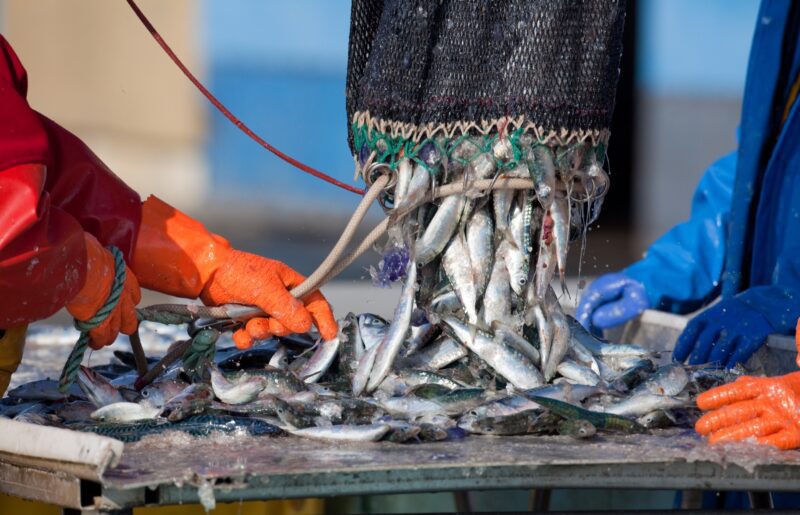
As of January 1, 2026, Morocco will temporarily suspend the fishing of small pelagic fish until February 28, as part of an unprecedented measure aimed at protecting these vulnerable species.
A Measure in Response to Stock Degradation
This ban comes at a time when sardine catches—which constitute nearly 85% of small pelagics—have sharply declined, dropping from 965,000 tons in 2022 to 525,000 tons in 2024. The National Union of Fish Canning Industries attributes this decrease to the capture of juveniles, insufficient control of illegal fishing, and poorly timed biological rest periods.
Aquaculture: A Still Underutilized Solution
To alleviate marine resource pressures, Morocco is focusing on the development of aquaculture. National production has increased from less than 500 tons in 2013 to 3,644 tons in 2024, while the sector’s potential is estimated at 300,000 tons annually. However, production remains marginal compared to domestic demand.
According to the World Bank, obstacles persist: lengthy administrative procedures, lack of infrastructure, and limited funding. The overlap of institutional competences complicates access to permits and hinders private investment, despite the role of the National Agency for the Development of Aquaculture and the Ministry of Fisheries in supporting the sector.
Reforms to Stimulate the Sector
To boost marine aquaculture, the World Bank recommends:
- A simplified regulatory framework and digitized procedures
- Strengthening regional capacities
- The establishment of a dedicated investment fund and the use of innovative financial instruments (blue bonds, carbon/nitrogen credits)
- Modernizing fish feed to include transformed animal proteins or insect meals
The Moroccan seafood market is expected to reach $1.07 billion by 2025, with an annual growth rate of 6.3% until 2030. Without aquaculture, pressure on fishing—which already provides 99% of the locally consumed fish—is likely to increase.
A Growing Sector Generating Jobs
The kingdom currently hosts over 300 aquaculture projects, with 183 operational farms and a combined capacity of 200,000 tons. These farms, led by 11 private investors, are expected to produce more than 70,000 tons annually and create 5,000 direct jobs and 10,000 indirect jobs, thereby contributing to sustainable growth and securing marine resources.
With Barlamane