

Close Menu
Greentimes
    Qoui de neuf

    Casablanca: The Hajar Association Organizes a Charitable Chaâbana to Support Children with Primary Immunodeficiencies

    29 January 2026

    Food Sovereignty and Climate: The Court of Auditors Sounds the Alarm and Demands a New Direction

    29 January 2026

    Blue Economy: Dakhla Hosts Seafood 4 Africa 2026, a Strategic Meeting on Fishing and Aquaculture

    29 January 2026
    Facebook X (Twitter) Instagram
    GreentimesGreentimes
    • Home
    • CSR
    • Energy Transition and Renewables
    • Sustainability
    • Climate Change
    • Analyses and Opinions
    • Datas
    • Dates & events
    • Last news
    • FR
    Thursday 29 January 2026
    Facebook X (Twitter) Instagram
    Greentimes
    Home » Morocco deploys 200 mobile seawater desalination stations in response to drought.
    Sustainability

    Morocco deploys 200 mobile seawater desalination stations in response to drought.

    11 April 2025No Comments2 Mins Read
    Facebook Twitter Pinterest LinkedIn Tumblr Reddit WhatsApp Email
    Share
    Facebook Twitter LinkedIn Pinterest WhatsApp Email

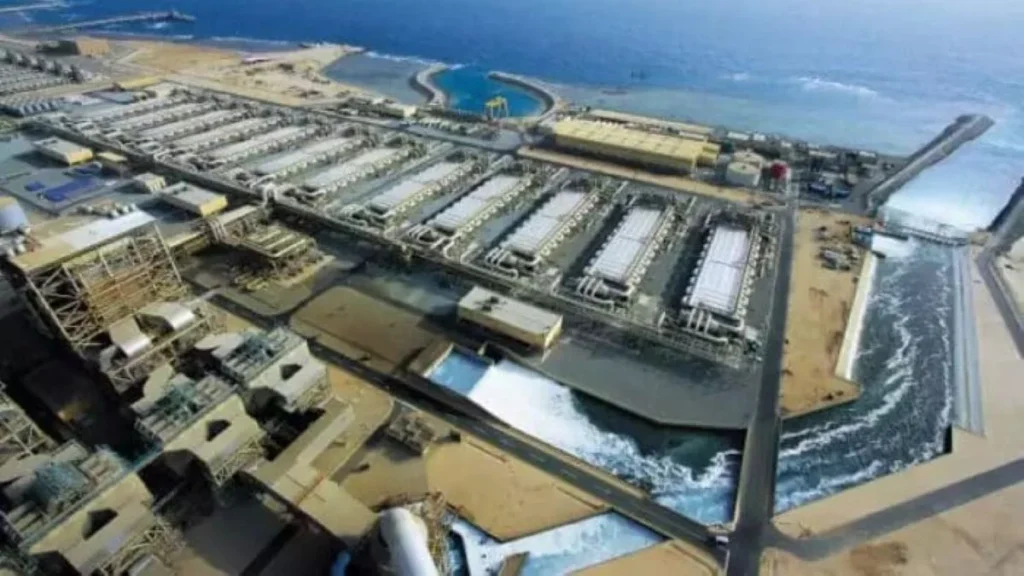
    To address the serious threat of drought, Morocco is implementing an innovative and strategic solution: the installation of 200 mobile seawater desalination stations by the end of 2025. This initiative aims to provide drinking water to approximately 3 million inhabitants of rural areas, in a context of increasingly concerning water scarcity.

    These mobile units, relatively low-cost and easily deployable, will strengthen the country’s arsenal to tackle water shortages. Currently, 40 mobile stations are already in operation, and the new units, with production capacities ranging from 360 to 3,600 cubic meters of water per day, will be gradually added throughout 2025. The average cost per station is about 1.3 million dollars, a moderate investment for a potentially major impact on rural communities.

    The flexibility of these stations is one of their major assets. Their production capacity can vary from 10 to 100 liters per second, allowing them to be adapted to specific needs, depending on geographical and demographic priorities. They use advanced technologies capable of efficiently desalting seawater, even when it contains high levels of minerals. These features make them ideal solutions for rapid deployments in regions suffering from chronic water deficits.

    Beyond the immediate response to the water crisis, this approach is part of a broader national strategy. Morocco aims to diversify its water supply sources and ensure a regular distribution of drinking water, particularly in the most vulnerable areas. The government is being proactive in the face of the challenges posed by climate change, and these mobile stations prove to be a flexible and rapid response to fluctuations in water resources.

    By 2030, Morocco plans to desalinate nearly half of its drinking water consumption using technologies such as these mobile stations. Aware of the increasing insufficiency of groundwater and surface water resources, and facing an expected decrease in precipitation of 11% by 2050, authorities are betting on desalination to secure water supply while preparing infrastructure for the long term.

    This initiative adds to a set of measures aimed at mitigating the effects of drought, with the goal of ensuring comprehensive coverage of drinking water needs, both in rural and urban areas, in a context of climate change that could exacerbate the water crisis in the coming years.

    deploys desalination mobile Morocco seawater:
    Previous ArticleMazagan Beach & Golf Resort achieves GOLD certification from EarthCheck for its commitment to sustainable development.
    Next Article ONEE opens access to renewable energy for its medium voltage customers.

    Related Posts

    Blue Economy: Dakhla Hosts Seafood 4 Africa 2026, a Strategic Meeting on Fishing and Aquaculture

    29 January 2026

    Cooperatives: Rabat Concludes the International Year and Launches a New Momentum for the Social Economy

    29 January 2026

    Rural Development: Morocco Strengthens Its Role as a Strategic Partner of IFAD

    28 January 2026
    Leave A Reply Cancel Reply

    Ne ratez pas
    CSR

    Casablanca: The Hajar Association Organizes a Charitable Chaâbana to Support Children with Primary Immunodeficiencies

    29 January 20260

    The Hajar Association invites the public on February 5 in Casablanca for an evening dedicated…

    Food Sovereignty and Climate: The Court of Auditors Sounds the Alarm and Demands a New Direction

    29 January 2026

    Blue Economy: Dakhla Hosts Seafood 4 Africa 2026, a Strategic Meeting on Fishing and Aquaculture

    29 January 2026

    Solar: Noor Taroudant is Finally Set to Begin Construction After Land-Related Delays

    29 January 2026
    Restez connecté
    • Facebook
    • Twitter
    • Pinterest
    • Instagram
    • YouTube
    • Vimeo
    Nos vidéos

    The circular economy at the heart of LabelVie group’s initiatives.

    10 July 2025

    Mounir El Bari: “Our great ecological challenge is access to the resource!”

    10 July 2025

    Driss Nahya: “Control must be strengthened to access the waste deposit.”

    10 July 2025

    Reda Boukallal: “Priority to the valorization of household waste”

    10 July 2025
    Facebook X (Twitter) Instagram Pinterest
     
    © 2026 Green Times.

    Type above and press Enter to search. Press Esc to cancel.