

Close Menu
Greentimes
    Qoui de neuf

    Child Protection: ONDE Evaluates Its 2025 Performance and Strengthens Its Partnership Network

    31 March 2026

    Human Development: Rabat Highlights Morocco’s Progress and Measurement Challenges

    31 March 2026

    Green EMI Expo 2026: Rabat at the Forefront of Sustainable Innovation

    30 March 2026
    Facebook X (Twitter) Instagram
    GreentimesGreentimes
    • Home
    • CSR
    • Energy Transition and Renewables
    • Sustainability
    • Climate Change
    • Analyses and Opinions
    • Datas
    • Dates & events
    • Last news
    • FR
    Monday 3 August 2026
    Facebook X (Twitter) Instagram
    Greentimes
    Home » The adoption of the carbon tax, a crucial step for Morocco’s ecological evolution (BKGR)
    Climate Change

    The adoption of the carbon tax, a crucial step for Morocco’s ecological evolution (BKGR)

    27 December 2024No Comments2 Mins Read
    Facebook Twitter Pinterest LinkedIn Tumblr Reddit WhatsApp Email
    Share
    Facebook Twitter LinkedIn Pinterest WhatsApp Email

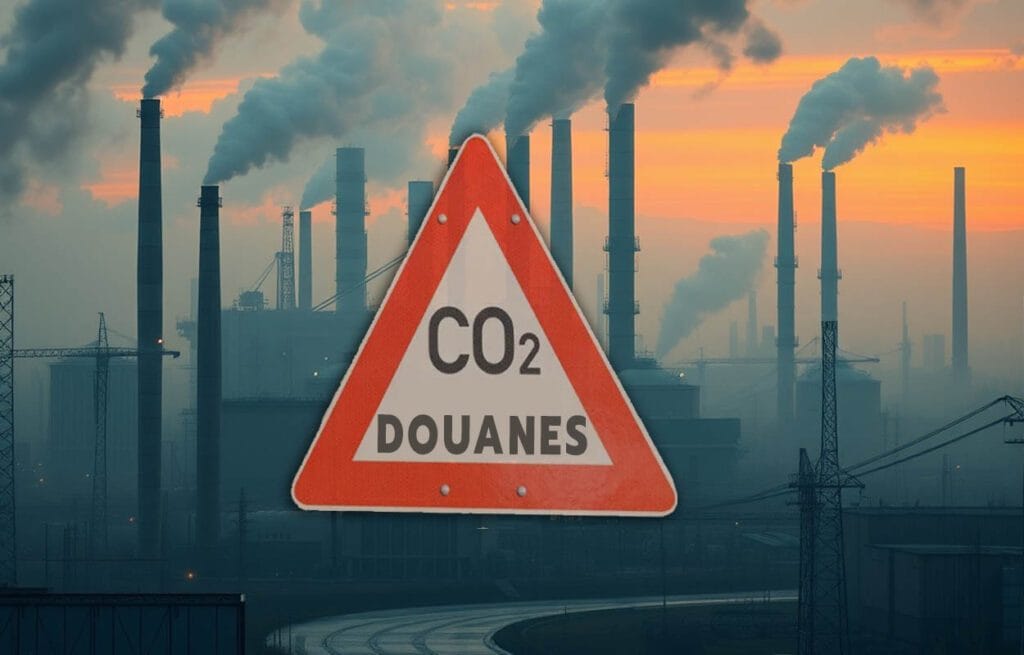
    The adoption of the carbon tax is a crucial step for the ecological evolution of Morocco, as highlighted in a recent publication “Flash Strategy” by BMCE Capital Global Research (BKGR).

    “Although improvable, the carbon tax remains a key tool for ecological transition and its adoption is a crucial step for Morocco’s energy evolution. The success of its implementation requires a proper balance between economic efficiency, social sustainability, and business competitiveness and must be accompanied by a comprehensive and inclusive strategic vision,” BKGR states in this publication titled “Carbon Tax: What Impacts for Morocco?”

    According to the same source, the establishment of a carbon tax in Morocco could face certain constraints, particularly related to the high cost of implementation.

    “Moroccan industries with high carbon emissions could thus face increased pressure on their operational costs and further compromise their international competitiveness,” explains BKGR.

    At the same time, social acceptance represents a crucial challenge as public perception of the carbon tax remains complex, especially for low-income households that would bear the increases in energy costs, emphasizes the pan-African global research office, estimating that the establishment of information campaigns and compensatory measures, such as tax credits or subsidies, would be essential to foster acceptance and ensure a fairer transition.

    Furthermore, BKGR reminds that Morocco had adopted an “ambitious” Climate Finance strategy by 2030, which is based on three interconnected pillars: “the establishment of an integrated financial market,” “the promotion of green investments through a tailored offer and attractive projects in terms of return and ecological impact,” and “the exploration of financial innovations, such as Fintechs and carbon markets, to democratize access to green financing and encourage the adoption of sustainable solutions.”

    It continues: “In this context, the 2025 finance law provides for the introduction of a carbon tax aimed at reducing the state’s oil bill by directing the energy mix towards more economical and sustainable renewable resources. However, its implementation could be postponed to 2026.”

    Based on the “polluter pays” principle, this tax aims to limit CO2 emissions while strengthening public finances, with an estimated contribution of +0.8% of gross domestic product (GDP).

    It should also stimulate innovation in the renewable energy sector and encourage more sustainable industrial practices, building on the progress made, such as the Noor Ouarzazate project.

    Source [MAP](https://mapecology.ma/actualites/ladoption-de-taxe-carbone-etape-cruciale-levolution-ecologique-maroc-bkgr/)

    adoption carbon crucial step tax,
    Previous ArticleEnergy consumption: A self-sufficiency approaching 100%
    Next Article Casablanca: Awards ceremony for the best projects funded by the INDH at the Youth Platform of Roches Noires.

    Related Posts

    Biodiversity: a report warns of the risk of losing 22% of Morocco’s natural heritage by 2050

    19 March 2026

    Climate: Morocco Shows a Negative Net Carbon Pricing Rate

    4 March 2026

    Climate Shocks: Towards a National Strategy to Strengthen Morocco’s Economic Sovereignty

    20 February 2026
    Leave A Reply Cancel Reply

    Ne ratez pas
    CSR

    Child Protection: ONDE Evaluates Its 2025 Performance and Strengthens Its Partnership Network

    31 March 20260

    The National Observatory for Children’s Rights (ONDE) held its annual meeting in Rabat, presided over…

    Human Development: Rabat Highlights Morocco’s Progress and Measurement Challenges

    31 March 2026

    Green EMI Expo 2026: Rabat at the Forefront of Sustainable Innovation

    30 March 2026

    Sustainable Irrigation: The World Bank Establishes the “Moroccan Model” as a Global Reference

    27 March 2026
    Restez connecté
    • Facebook
    • Twitter
    • Pinterest
    • Instagram
    • YouTube
    • Vimeo
    Nos vidéos

    The circular economy at the heart of LabelVie group’s initiatives.

    10 July 2025

    Mounir El Bari: “Our great ecological challenge is access to the resource!”

    10 July 2025

    Driss Nahya: “Control must be strengthened to access the waste deposit.”

    10 July 2025

    Reda Boukallal: “Priority to the valorization of household waste”

    10 July 2025
    Facebook X (Twitter) Instagram Pinterest
     
    © 2026 Green Times.

    Type above and press Enter to search. Press Esc to cancel.