

Hot water represents a significant expense in a household’s budget, accounting for up to 20% of annual energy consumption. For an electric water heater, this averages around 800 kWh per person per year, a figure that can quickly rise depending on the size of the household and the installed equipment. Factors such as the tank’s capacity, household composition, amenities like bathtubs or power showers, the set temperature, and the insulation of the installation all influence consumption.
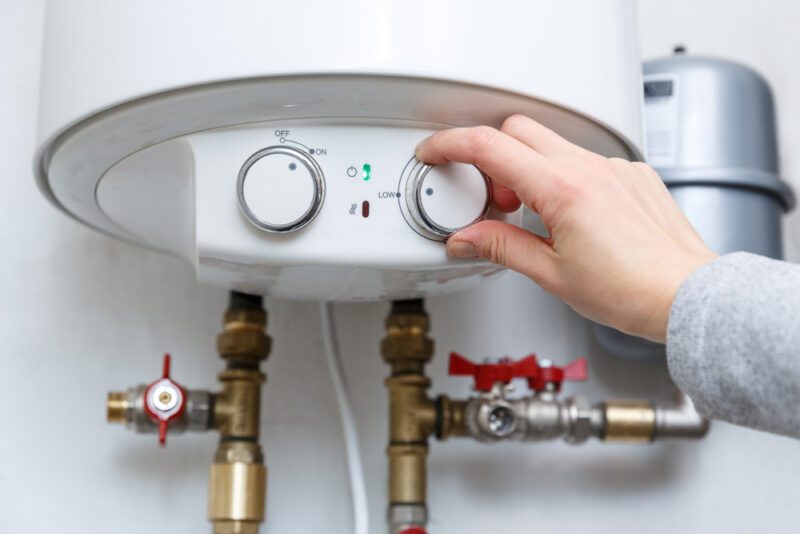
To limit spending, a few simple actions can suffice. Set the temperature between 55°C and 60°C: this prevents bacterial growth while reducing consumption. Regular maintenance of the water heater is also crucial. Depending on the water hardness, descaling every 2 to 3 years keeps the appliance efficient, prevents breakdowns, and prolongs its lifespan. Insulating the tank and pipes, especially in unheated areas like basements or garages, helps minimize heat loss. For households equipped with a time-of-use meter, programming the water heater to operate only during off-peak hours is a straightforward way to reduce bills while maintaining comfort.
When the appliance exceeds 10 to 15 years, replacement may become necessary. Recent models, particularly heat pump water heaters or those with high energy efficiency, consume significantly less and help manage energy usage in the home more effectively. Understanding the impact of hot water and adopting simple habits are key steps to reducing consumption without compromising household comfort.