






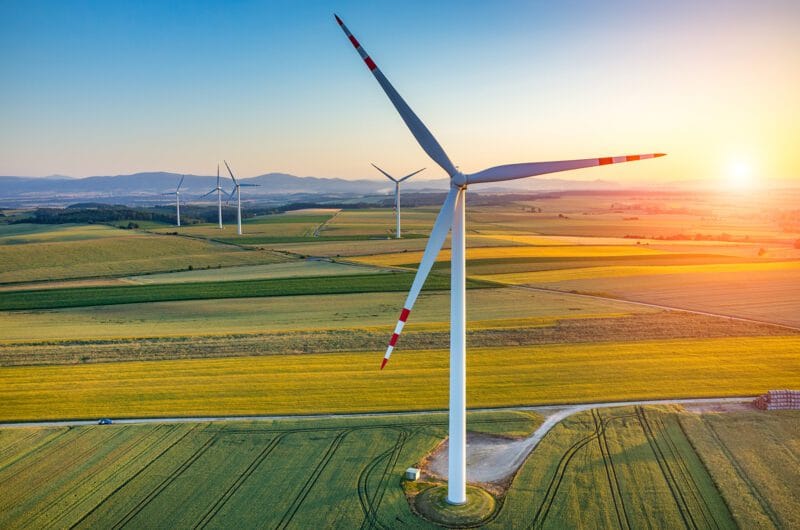
Morocco has reached a new milestone in its energy transition. The National Electricity Regulatory Authority (ANRE) has approved the national electricity system’s capacity for the period 2026-2030, confirming a significant increase in the integration of renewable energy sources into the country’s electricity mix.
According to projections released by the ANRE, Morocco’s electricity system will be able to absorb a cumulative capacity of 10,429 megawatts of renewable energy by 2030. This figure marks a notable progression compared to previous periods, showing an increase of over 1,000 MW against the 2025-2029 projections and over 3,000 MW compared to the 2024-2028 period. This dynamic reflects a structural evolution in the electricity sector, driven both by rising demand and the enhancement of national infrastructure.
The growth in energy needs is one of the main drivers behind this evolution. The development of large-scale industrial projects, including gigafactories, seawater desalination units, green hydrogen initiatives, and the gradual electrification of certain industrial processes, is putting increasing pressure on the electricity system. In addition, the energy requirements associated with hosting major international events further underscore the need for a robust and flexible network.
In response to these challenges, strengthening infrastructure has become a central lever. The investment plan of the National Office for Electricity and Drinking Water (ONEE) includes significant spending aimed at improving the flexibility and resilience of the network. Energy transfer stations via pumped storage, battery storage solutions, and open cycle gas turbines are among the key equipment intended to stabilize the system and integrate the inherently intermittent renewable sources.
The validation of this capacity serves as a strong signal for the electricity market. It provides better visibility for investors and enhances Morocco’s credibility as an attractive destination for renewable energy projects. The assessment conducted by the ANRE is based on close consultation with ONEE and network operators to ensure a realistic appraisal of transport and distribution capabilities.
This approach also aims to optimize future investments by ensuring a sustainable balance between electricity supply and demand. By anticipating technical constraints, it helps maintain competitive costs while improving service quality and supply security.
The official publication of the capacity fits within a framework of transparency and predictability, in line with the regulatory framework governing the sector. The ANRE has established a dedicated digital platform accessible to project developers to facilitate planning for renewable energy investments. This initiative has received support from the African Development Bank and German cooperation.
Beyond the technical aspects, this evolution is part of a broader energy strategy. Morocco’s goal of achieving 52% renewable energy in its electricity mix by 2030 is based on three major priorities: strengthening the country’s energy sovereignty, improving industrial competitiveness through stable and controlled supply, and reducing the national carbon footprint in accordance with international climate commitments.
Realizing this ambition requires not only accelerating the deployment of renewable capacities but also continuous modernization of the electricity networks, particularly through digitization and automation. The introduction of the capacity concept in national regulations illustrates this profound transformation within the sector, providing a clear framework for the managed integration of clean energy.
Through this initiative, the ANRE reaffirms its central role in supporting national energy policy and in structuring a more resilient, attractive, and future-oriented electricity market.