

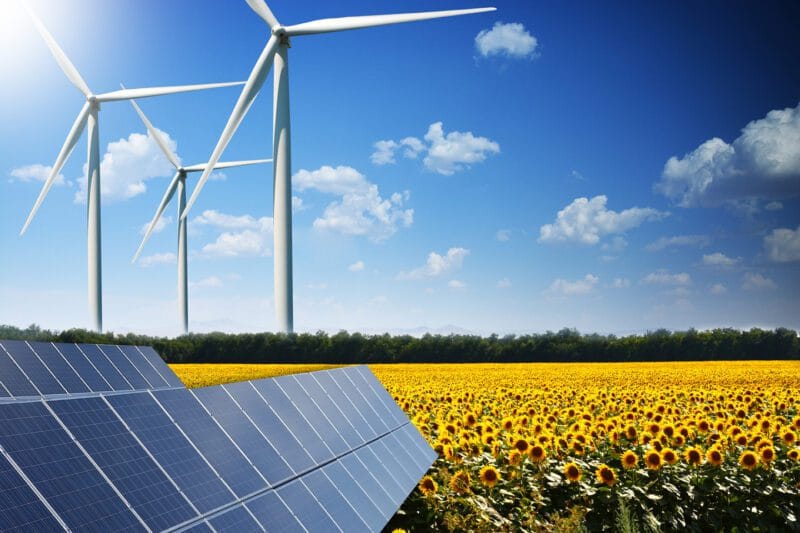
Energy transition has emerged as a central axis of Morocco’s strategy in response to the climate emergency and a high structural energy dependency. In Casablanca, the Ministry of Energy Transition and Sustainable Development, the Moroccan Agency for Efficiency in Energy (AMEE), and the German Cooperation Agency (GIZ) organized a workshop for media professionals to enhance their understanding of energy-related issues.
The stated objective goes beyond mere awareness: it aims to structure a rigorous public discourse based on scientific data, capable of supporting national transition policies.
### Persistent Energy Dependency
Morocco imports nearly 94% of its energy needs and its energy mix remains heavily carbon-intensive, with 86% derived from fossil fuels. The electricity production sector is still dominated by coal, which constitutes about 60% of production, although wind energy now accounts for 20%, indicating progress in renewable energies.
Since 1990, national greenhouse gas emissions have more than doubled due to population growth and economic development. Each Moroccan emits an average of nearly 3 tons of CO₂ per year. The energy sector accounts for between 6% and 7% of national GDP.
### Highly Emitting Sectors
The increase in emissions varies by sector. Emissions from the residential and transportation sectors have tripled, while those related to waste management have more than doubled. Agriculture also contributes significantly through methane and nitrous oxide, both potent greenhouse gases.
This technical data requires an informed interpretation to be properly conveyed to the public, highlighting the importance of the media’s role.
### Energy Efficiency and Decarbonization
Energy efficiency is a central lever in the national strategy. It aims to provide the same service while consuming less energy, through measures such as thermal insulation of buildings, eco-driving, energy management systems, and solar pumping.
In terms of climate commitments, Morocco has pledged, under its third Nationally Determined Contribution (NDC), to halve its emissions by 2035 compared to a business-as-usual scenario. This objective relies on mobilizing international financing and developing mechanisms such as carbon credits.
Several instruments underpin this trajectory, including the national energy strategy, energy efficiency strategy, national sustainable development strategy, national climate plan, and territorial climate plans.
### Media as a Strategic Relay
The workshop organizers emphasized the responsibility of the media in popularizing energy and climate issues. Beyond informing, journalists are called to contextualize data, explain ongoing changes, and support the necessary behavioral shifts.
In a context of profound transition in production and consumption models, the quality of media coverage is viewed as a crucial factor in fostering citizen support for the reforms undertaken.
Thus, the energy transition is not solely about technical or industrial choices, but also about a collective effort in education and understanding, in which the media occupy a strategic position.