





Water reserves in Morocco have recorded a notable increase at the start of 2026. As of January 8, the volume of water stored in the Kingdom’s dams reached 7.58 billion cubic meters, a level not seen since July 2021. This development marks a significant improvement in the national water situation after several years of severe resource strain.
According to available data, the overall filling rate of the dams rose from 31.1% in mid-December to 45.26% in less than a month. This rapid increase, deemed exceptional by observers, was driven by abundant rainfall across the entire territory.
Massive inflows concentrated over a few weeks
Between September 1, 2025, and January 8, 2026, the cumulative inflows to the dams reached 3.427 billion cubic meters. Notably, nearly 88% of these volumes were recorded in the period from December 12 to January 8, amounting to over 3 billion cubic meters in just a few weeks.
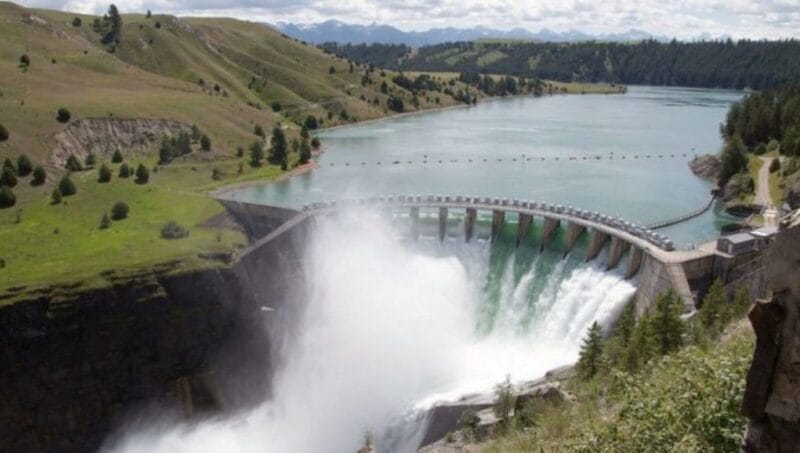
This dynamic has led several dams to reach or exceed their usual holding levels. In the Sebou basin, for instance, some structures are currently evacuating excess water. More than 32 smaller dams even report a filling rate exceeding 100%, indicating the intensity of recent inflows.
Rain and snow: an exceptional winter
From a climate perspective, the figures confirm the unusual nature of this season. Cumulative precipitation since September has reached 108 mm, representing an excess of about 94% compared to a normal year and an increase of 21% compared to the usual average. Additionally, significant snowfall has covered more than 55,400 km², a level rarely observed in recent years.
A relief, but not a return to abundance
While this improvement provides a major respite for drinking water supply, agricultural irrigation, and hydroelectric production, it does not signal the end of structural difficulties related to water management. Authorities and experts remind us that climatic variability remains high and pressure on resources continues to be significant, particularly in some strategic basins.
Nevertheless, these record levels offer the country a welcome degree of flexibility at a time when the rationalization of water use, desalination, wastewater reuse, and inter-basin connections remain national priorities. At the start of 2026, Morocco enjoys a much-needed boost in water resources, the sustainability of which will depend on the evolving climate conditions in the coming months.