

Close Menu
Greentimes
    Qoui de neuf

    Casablanca: The Hajar Association Organizes a Charitable Chaâbana to Support Children with Primary Immunodeficiencies

    29 January 2026

    Food Sovereignty and Climate: The Court of Auditors Sounds the Alarm and Demands a New Direction

    29 January 2026

    Blue Economy: Dakhla Hosts Seafood 4 Africa 2026, a Strategic Meeting on Fishing and Aquaculture

    29 January 2026
    Facebook X (Twitter) Instagram
    GreentimesGreentimes
    • Home
    • CSR
    • Energy Transition and Renewables
    • Sustainability
    • Climate Change
    • Analyses and Opinions
    • Datas
    • Dates & events
    • Last news
    • FR
    Friday 30 January 2026
    Facebook X (Twitter) Instagram
    Greentimes
    Home » 10th World Water Forum: Mr. Baraka presents Morocco’s water policy in Bali.
    Sustainability

    10th World Water Forum: Mr. Baraka presents Morocco’s water policy in Bali.

    21 May 2024No Comments3 Mins Read
    Facebook Twitter Pinterest LinkedIn Tumblr Reddit WhatsApp Email
    Share
    Facebook Twitter LinkedIn Pinterest WhatsApp Email

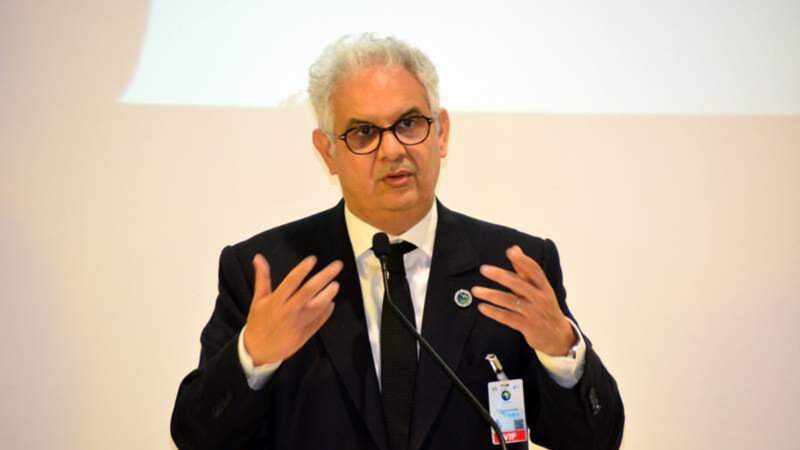
    During this event dedicated to the official launch of the Food and Agriculture Organization (FAO) of the United Nations’ initiative on national water roadmaps for 2030, Mr. Baraka highlighted Morocco’s commitment, since the 1960s, to mobilizing its water resources through the visionary leadership of the late King Hassan II and His Majesty King Mohammed VI.

    The Kingdom has also committed, since the 1980s, to dynamic and anticipatory planning of water resources across all hydraulic basins, the minister added during this panel held under the theme “Political Cooperation for Integrated Water Resource Management.”

    “The Moroccan water policy is currently being realized through the National Program for Drinking Water Supply and Irrigation for the period 2020-2027, developed to address the consequences of successive years of drought since 2017 and to reduce the vulnerability of water supply systems to the risks of scarcity,” he noted.

    To this end, the minister outlined the four pillars on which the national water policy of the Kingdom is based.

    The first pillar, he explained, concerns the development of conventional water resources, notably through the accelerated construction of large dams, rainwater harvesting, major water transfers between basins, the mobilization and sustainable management of groundwater resources, as well as the dredging of dams.

    The second pillar focuses on the development of non-conventional water resources, particularly through the desalination of seawater to ensure the drinking water supply of coastal cities, as well as through the reuse of wastewater for irrigation of green spaces and the artificial recharge of aquifers.

    The third pillar concerns the management of water demand, notably through groundwater contracts aimed at ensuring the preservation of groundwater resources, as well as improving the efficiency of drinking water networks and multi-service channels and pipelines.

    The fourth and final pillar, which is transversal and accompanies structural projects, aims to raise public awareness about water scarcity and conservation.

    The FAO initiative on national water roadmaps for 2030 aims to support countries in integrating water into their national policies and strategies to achieve the Sustainable Development Goals (SDGs) by 2030.

    The national water roadmaps are tailored to each country and provide regional and national perspectives to guide the planning and integrated management of water resources according to internationally agreed principles.

    The opening ceremony of the Forum was marked by the awarding of the 8th Hassan II World Water Prize to the FAO in recognition of its commitment to the global water agenda and food security.

    The Hassan II World Water Prize is awarded every three years during each edition of the Forum in recognition of project initiators who have made significant contributions in the fields of development and use of water resources, at scientific, economic, technical, environmental, social, institutional, cultural, or political levels.

    10th Baraka Forum Water World
    Previous Article10th World Water Forum in Bali: The 8th Hassan II Global Water Prize awarded to FAO.
    Next Article Solar energy, a miracle solution to all our energy needs?

    Related Posts

    Blue Economy: Dakhla Hosts Seafood 4 Africa 2026, a Strategic Meeting on Fishing and Aquaculture

    29 January 2026

    Cooperatives: Rabat Concludes the International Year and Launches a New Momentum for the Social Economy

    29 January 2026

    Rural Development: Morocco Strengthens Its Role as a Strategic Partner of IFAD

    28 January 2026
    Leave A Reply Cancel Reply

    Ne ratez pas
    CSR

    Casablanca: The Hajar Association Organizes a Charitable Chaâbana to Support Children with Primary Immunodeficiencies

    29 January 20260

    The Hajar Association invites the public on February 5 in Casablanca for an evening dedicated…

    Food Sovereignty and Climate: The Court of Auditors Sounds the Alarm and Demands a New Direction

    29 January 2026

    Blue Economy: Dakhla Hosts Seafood 4 Africa 2026, a Strategic Meeting on Fishing and Aquaculture

    29 January 2026

    Solar: Noor Taroudant is Finally Set to Begin Construction After Land-Related Delays

    29 January 2026
    Restez connecté
    • Facebook
    • Twitter
    • Pinterest
    • Instagram
    • YouTube
    • Vimeo
    Nos vidéos

    The circular economy at the heart of LabelVie group’s initiatives.

    10 July 2025

    Mounir El Bari: “Our great ecological challenge is access to the resource!”

    10 July 2025

    Driss Nahya: “Control must be strengthened to access the waste deposit.”

    10 July 2025

    Reda Boukallal: “Priority to the valorization of household waste”

    10 July 2025
    Facebook X (Twitter) Instagram Pinterest
     
    © 2026 Green Times.

    Type above and press Enter to search. Press Esc to cancel.