

Close Menu
Greentimes
    Qoui de neuf

    Child Protection: ONDE Evaluates Its 2025 Performance and Strengthens Its Partnership Network

    31 March 2026

    Human Development: Rabat Highlights Morocco’s Progress and Measurement Challenges

    31 March 2026

    Green EMI Expo 2026: Rabat at the Forefront of Sustainable Innovation

    30 March 2026
    Facebook X (Twitter) Instagram
    GreentimesGreentimes
    • Home
    • CSR
    • Energy Transition and Renewables
    • Sustainability
    • Climate Change
    • Analyses and Opinions
    • Datas
    • Dates & events
    • Last news
    • FR
    Monday 10 August 2026
    Facebook X (Twitter) Instagram
    Greentimes
    Home » Solidarity: When Blood Donation Invites Itself into the Heart of Ramadan Nights
    CSR

    Solidarity: When Blood Donation Invites Itself into the Heart of Ramadan Nights

    25 March 2026No Comments3 Mins Read
    Facebook Twitter Pinterest LinkedIn Tumblr Reddit WhatsApp Email
    Share
    Facebook Twitter LinkedIn Pinterest WhatsApp Email

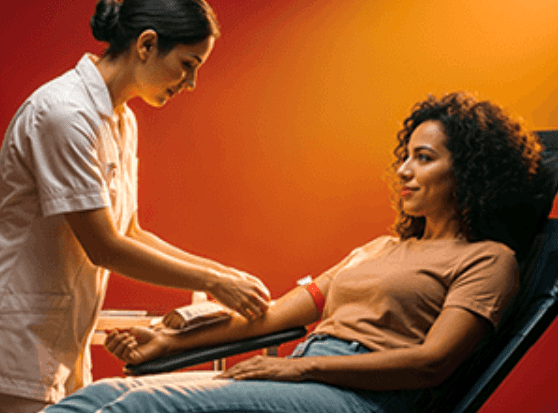
    To address the seasonal drop in blood stocks during the holy month, the AMAL Association has shaken up conventional awareness strategies. Blending urban marketing with spirituality, the evaluation of the 2026 campaign reveals an unprecedented strategy to engage people in saving lives, particularly for leukemia patients.

    Every year in Morocco, a paradox emerges: while Ramadan is a time of piety and sharing, blood donation centers see their supplies dwindle rapidly. The fatigue that comes with fasting and the disruption of daily routines traditionally deter donors from clinics. However, for patients suffering from leukemia, the need for blood does not pause.

    To counter this “silent emergency,” the AMAL Association (Association of Patients with Leukemias) opted to break from traditional approaches by engaging with the places and moments that pulse with the lives of Moroccans after iftar. In collaboration with The Next Clic agency, the association launched a dual-pronged initiative that combined bold advertising with religious grounding.

    Under the intriguing label “Red After Iftar,” the campaign first played on mystery. By utilizing the visual codes of trendy event nights—often marked by a “18 and over” notice—the association successfully captured the attention of an overstimulated urban youth.

    The element of surprise was complete: where passersby expected an announcement of a concert or night event, they found an invitation to donate blood instead. The reminder of the age limit of 18 was transformed from a nightclub restriction into a public health guideline. This semantic shift allowed the medical act of donating blood to be seen as a chic act of citizenship, reintegrating blood donation into the social calendar of Casablanca’s vibrant nightlife.

    However, the campaign extended beyond billboards. It invaded mosque courtyards during Tarawih prayers, where the tone shifted to one of solemnity and spirituality. Through the distribution of red-themed “tsabih” (prayer beads), AMAL underscored the intrinsic link between faith and the preservation of life.

    By referencing the Quranic verse stating that saving a life is akin to saving all of humanity, the association reinforced blood donation as a natural extension of Ramadan’s religious practice. This served as a reminder that generosity is not solely expressed through monetary donations but also through the literal and vital gift of oneself.

    While the outcomes of the 2026 campaign offer valuable insights into the ability of associations to innovate, they also highlight a structural reality. Mobilization must not be occasional. Beyond the folklore of Ramadan, the survival of leukemia patients relies on a steady stream of donors.

    By placing blood donation at the center of public discourse during this significant month, AMAL hopes to transform a fleeting surge of generosity into a lasting community reflex. Because while Ramadan eventually concludes, the disease does not take a break.

    AMAL Association blood donation citizen engagement health initiative leukemia awareness public health Ramadan campaign social responsibility spirituality urban marketing
    Previous ArticleRural Tourism: The New Growth Engine for Morocco’s Terrains
    Next Article Water Stress: Germany Invests 100 Million Euros in the “Moroccan Model”

    Related Posts

    Child Protection: ONDE Evaluates Its 2025 Performance and Strengthens Its Partnership Network

    31 March 2026

    Human Development: Rabat Highlights Morocco’s Progress and Measurement Challenges

    31 March 2026

    Ramadan: Coca-Cola Continues Its “Dar L’ftour” Initiative in Morocco

    19 March 2026
    Leave A Reply Cancel Reply

    Ne ratez pas
    CSR

    Child Protection: ONDE Evaluates Its 2025 Performance and Strengthens Its Partnership Network

    31 March 20260

    The National Observatory for Children’s Rights (ONDE) held its annual meeting in Rabat, presided over…

    Human Development: Rabat Highlights Morocco’s Progress and Measurement Challenges

    31 March 2026

    Green EMI Expo 2026: Rabat at the Forefront of Sustainable Innovation

    30 March 2026

    Sustainable Irrigation: The World Bank Establishes the “Moroccan Model” as a Global Reference

    27 March 2026
    Restez connecté
    • Facebook
    • Twitter
    • Pinterest
    • Instagram
    • YouTube
    • Vimeo
    Nos vidéos

    The circular economy at the heart of LabelVie group’s initiatives.

    10 July 2025

    Mounir El Bari: “Our great ecological challenge is access to the resource!”

    10 July 2025

    Driss Nahya: “Control must be strengthened to access the waste deposit.”

    10 July 2025

    Reda Boukallal: “Priority to the valorization of household waste”

    10 July 2025
    Facebook X (Twitter) Instagram Pinterest
     
    © 2026 Green Times.

    Type above and press Enter to search. Press Esc to cancel.