

Close Menu
Greentimes
    Qoui de neuf

    MOGA Festival 2025: A study estimates over 51.5 million MAD in economic benefits for Essaouira

    28 January 2026

    FM6SS and Nareva Services Strengthen Their Partnership with a 1.2 MW Solar Power Plant in Dakhla

    28 January 2026

    Rural Development: Morocco Strengthens Its Role as a Strategic Partner of IFAD

    28 January 2026
    Facebook X (Twitter) Instagram
    GreentimesGreentimes
    • Home
    • CSR
    • Energy Transition and Renewables
    • Sustainability
    • Climate Change
    • Analyses and Opinions
    • Datas
    • Dates & events
    • Last news
    • FR
    Wednesday 28 January 2026
    Facebook X (Twitter) Instagram
    Greentimes
    Home » Germany: Solar Surpasses Coal and Gas, but Still Lags Behind Wind Energy
    Energy Transition and Renewables

    Germany: Solar Surpasses Coal and Gas, but Still Lags Behind Wind Energy

    9 January 2026No Comments2 Mins Read
    Facebook Twitter Pinterest LinkedIn Tumblr Reddit WhatsApp Email
    Share
    Facebook Twitter LinkedIn Pinterest WhatsApp Email

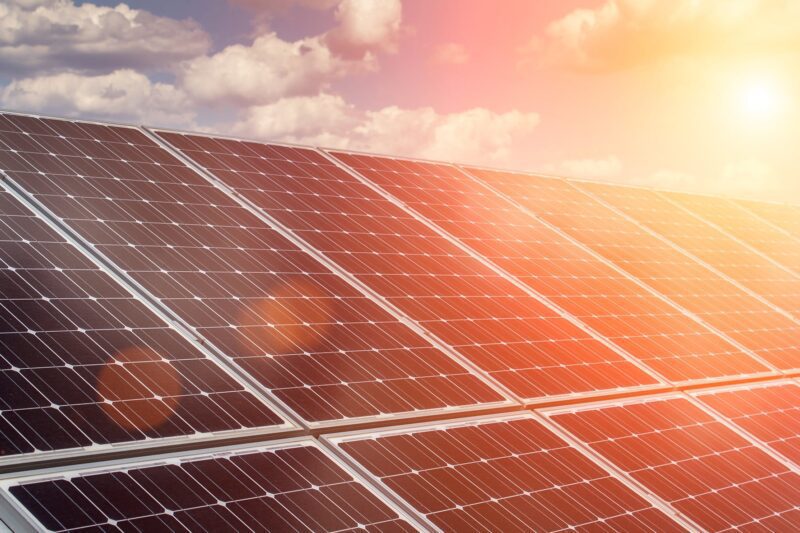
    Solar energy has reached a symbolic milestone in Germany. In 2025, photovoltaics accounted for approximately 18% of national electricity consumption, surpassing two major fossil fuel sources for the first time: coal and natural gas. This is a notable advancement, even as wind energy remains the country’s primary electricity source.

    According to figures released by the German Solar Industry Association (BSW), the share of solar in domestic electricity production increased from 14% in 2024 to nearly 18% in 2025. At the same time, coal fell to about 14%, while natural gas represented nearly 16% of production.

    A record in photovoltaic production

    This increase can be attributed to a significant rise in production. According to a provisional annual assessment based on data from the Fraunhofer Institute for Solar Energy Systems, the approximately 5.5 million photovoltaic installations in the country generated around 87 terawatt-hours of electricity in 2025.

    This represents 15 terawatt-hours more than in 2024, setting a new record for German solar energy. This momentum confirms the acceleration of investments in photovoltaics, driven by falling costs, public incentives, and the desire to reduce dependence on fossil fuels.

    Wind energy remains at the top of the electricity mix

    Despite this progress, solar still does not lead as the primary electricity source in Germany. Wind energy maintains its dominant position with an estimated share of 27% of national electricity production in 2025, according to the Fraunhofer Institute.

    Overall, Germany’s energy transition continues on its trajectory. The share of renewable energy in net public electricity production reached 55.9% in 2025, a level comparable to the previous year, affirming the sustainable integration of renewables into the country’s energy mix.

    A strong signal for the energy transition

    The fact that solar now surpasses coal and gas in electricity production is a strong signal for German energy policy. It illustrates the gradual decline of fossil fuels and the growing role of renewable sources in the country’s energy security.

    However, authorities and industry players emphasize that the challenge remains significant: integrating more intermittent energy sources, strengthening electricity grids, and developing storage capacities to ensure long-term system stability.

    electricity production energy efficiency energy transition fossil fuels Germany investment photovoltaics renewable energy solar energy wind power
    Previous ArticleDams: Water Reserves Reach Record Levels Since 2021, a Major Relief for Morocco
    Next Article Severe Weather in Salé: A Spectacular Pollution Unveils the Flaws in Coastal Management

    Related Posts

    FM6SS and Nareva Services Strengthen Their Partnership with a 1.2 MW Solar Power Plant in Dakhla

    28 January 2026

    Natural Gas: How Morocco is Redrawing its Energy Map After the End of Algerian Flows

    28 January 2026

    Morocco’s Renewable Energy Strategy is Expected to Drive Economic Growth by 2026 (Mastercard Economics Institute)

    28 January 2026
    Leave A Reply Cancel Reply

    Ne ratez pas
    CSR

    MOGA Festival 2025: A study estimates over 51.5 million MAD in economic benefits for Essaouira

    28 January 20260

    The MOGA Festival has published the results of a study focused on the socio-economic impact…

    FM6SS and Nareva Services Strengthen Their Partnership with a 1.2 MW Solar Power Plant in Dakhla

    28 January 2026

    Rural Development: Morocco Strengthens Its Role as a Strategic Partner of IFAD

    28 January 2026

    Natural Gas: How Morocco is Redrawing its Energy Map After the End of Algerian Flows

    28 January 2026
    Restez connecté
    • Facebook
    • Twitter
    • Pinterest
    • Instagram
    • YouTube
    • Vimeo
    Nos vidéos

    The circular economy at the heart of LabelVie group’s initiatives.

    10 July 2025

    Mounir El Bari: “Our great ecological challenge is access to the resource!”

    10 July 2025

    Driss Nahya: “Control must be strengthened to access the waste deposit.”

    10 July 2025

    Reda Boukallal: “Priority to the valorization of household waste”

    10 July 2025
    Facebook X (Twitter) Instagram Pinterest
     
    © 2026 Green Times.

    Type above and press Enter to search. Press Esc to cancel.