

As the African continent faces the severe effects of climate change, an alarming fact emerges: by 2025, nearly 30% of African incomes will be devoted to repaying the “climate debt”, according to the report State of Africa’s Environment 2025 published by the Indian think tank Centre for Science and Environment (CSE). This represents a double blow for a continent that is a minor emitter but among the hardest hit.
A burning planet, a drying continent
Africa is warming faster than the global average. The year 2024 was the hottest ever recorded on the continent, marked by extreme heat waves, dwindling water supplies, and an increase in natural disasters.
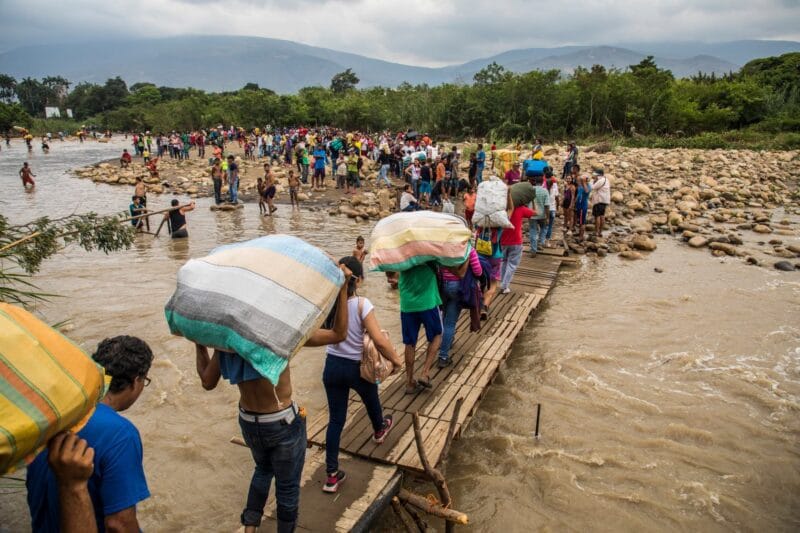
Between 2021 and 2025, over 400 million Africans were affected by climate-related phenomena linked to water or weather, resulting in more than 41,000 deaths. The report also indicates that 222 million people have been displaced due to droughts, floods, and storms, a figure that could rise to 10% of the population in East Africa by 2050.
Hunger and thirst are increasing
The rise in temperatures directly threatens food security. If warming reaches 2°C, more than half of Africans could face undernourishment. Agricultural yields are already declining by 18%, putting millions of rural farms at risk and increasing the continent’s food dependency.
Water stress has reached a critical level: 700 million Africans could be displaced by 2030 due to water scarcity. Global disparities in water availability stand at 458 billion m³ per year, a figure likely to grow with rising temperatures.
Explosive health impacts
The effects of climate change are no longer limited to harvests or displacements; they also affect public health. Cases of malaria have increased by 14% in one year, while cholera cases have surged by 125%. By 2030, between 147 and 171 million additional people could be exposed to malaria risk, according to the report.
Severe financial injustice
The CSE highlights a major climate injustice: while Africa contributes only a small fraction of global emissions, it pays a high price. African countries must mobilize nearly one-third of their revenues to repay debt incurred from international institutions, to the detriment of investments in resilience and green transition.
In some states, such as Ghana, Zambia, or Cameroun, external debt servicing exceeds 50 times the losses caused by climate disasters.
The paradox of the carbon market
Africa hosts about 20% of global carbon credit projects, representing nearly $6 billion in investments between 2013 and 2023. However, local benefits remain minimal. The most exposed communities only marginally benefit from the revenues generated by these programs, which are often driven by foreign actors.
As the planet crosses one critical threshold after another of the Paris Agreement, the CSE report serves as a warning: if nothing is done to alleviate the continent’s climate debt, the entire global model of environmental justice will be jeopardized.
For Africa, the question is no longer how to adapt to warming, but how to survive without being financially strangled by a system it did not help create.