

Close Menu
Greentimes
    Qoui de neuf

    Zineb Bennouna leads the CSR and communication strategy at LafargeHolcim Morocco

    16 March 2026

    In Marrakech-Safi, a solar drying unit transforms sewage sludge into industrial fuel.

    16 March 2026

    Attijariwafa Bank aims to transform its ESG commitments into concrete and measurable actions.

    16 March 2026
    Facebook X (Twitter) Instagram
    GreentimesGreentimes
    • Home
    • CSR
    • Energy Transition and Renewables
    • Sustainability
    • Climate Change
    • Analyses and Opinions
    • Datas
    • Dates & events
    • Last news
    • FR
    Monday 16 March 2026
    Facebook X (Twitter) Instagram
    Greentimes
    Home » Energy transition: what the renewable revolution implies for Morocco
    Energy Transition and Renewables

    Energy transition: what the renewable revolution implies for Morocco

    24 July 2025No Comments2 Mins Read
    Facebook Twitter Pinterest LinkedIn Tumblr Reddit WhatsApp Email
    Share
    Facebook Twitter LinkedIn Pinterest WhatsApp Email

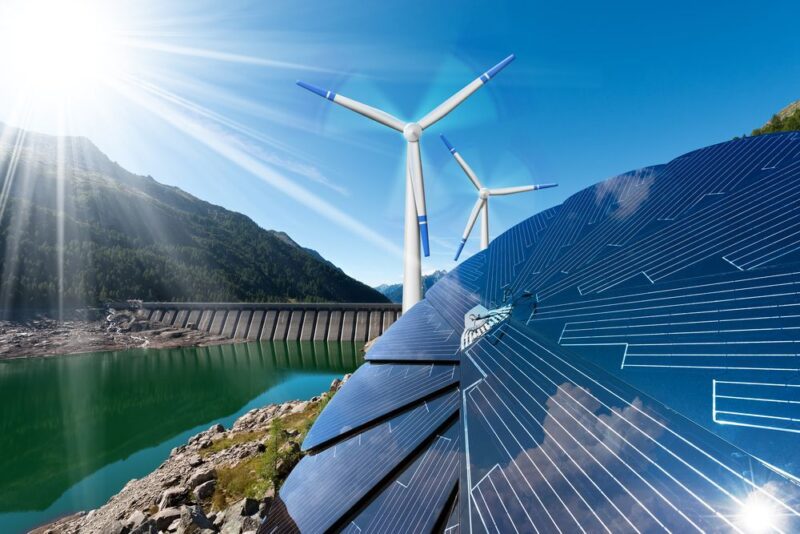
    Clean energy is now established as the central pillar of electricity production on a global scale. The latest report from the International Renewable Energy Agency (Irena) confirms that renewables, driven by solar and wind, now surpass fossil fuels in competitiveness, and this is sustainable. For Morocco, this global transformation represents a strategic opportunity, but also an urgent challenge to address.

    Thanks to continuous decreases in production costs and major innovations in storage and management technologies, renewables are showing impressive economic performance. In 2024, photovoltaic solar energy was on average 41% cheaper than the most competitive fossil solutions, and onshore wind was 53% cheaper. This dynamic has helped avoid nearly $57 billion in fossil fuel expenditures worldwide, according to Irena.

    Morocco has been able to capture this trend: the installation costs of solar and wind projects have significantly decreased in recent years. This strengthens the country’s energy sovereignty and reinforces its trajectory towards an electricity mix dominated by clean energies. By 2030, Rabat aims for 52% of renewable energy in electricity production, and 96% by 2050.

    However, the success of this transition also depends on overcoming several obstacles. According to Irena, emerging countries like Morocco face rising integration costs: undersized electrical networks, administrative delays, and still poorly optimized local supply chains… These barriers risk compromising the pace of development if structural reforms are not quickly implemented.

    Another critical point is financing. In Africa, the average cost of capital for renewable projects still reaches 12%, compared to barely 4% in Europe. This gap makes Moroccan projects more expensive to finance and slows down the entry of investors. To address this, Irena recommends creating more favorable financing mechanisms backed by stable revenue frameworks.

    The Kingdom, however, has considerable assets: abundant sunshine, regular winds, a high rate of technological progress, and a strong political will for decarbonization. To convert this potential into sustainable results, it will be necessary to accelerate the modernization of networks, develop efficient storage solutions, and integrate artificial intelligence into the management of energy infrastructures.

    While global renewable growth remains robust—with over 580 GW of new capacity installed in 2024—Morocco is at a turning point. The challenge no longer lies in access to technology, but in its effective and sustained implementation. Provided that blockages are removed, the country can establish itself as a regional leader in green energy.

    Energy Renewable: Revolution transition: What
    Previous ArticleCiments du Maroc celebrates the 16th raising of the “Blue Flag” in Safi and unveils the 2025 edition of the eco-sustainable village Sayfok.
    Next Article Wastewater: Morocco is moving towards sustainable sanitation, but the rural world remains marginalized.

    Related Posts

    Solar Energy: The Chinese Group Lanke High-Tech Prepares to Establish Operations in Morocco and Develops a 100 MW Thermal Storage Project

    12 March 2026

    Green Hydrogen: Moroccan Ports Could Become a Strategic Hub for Decarbonized Maritime Transport

    12 March 2026

    Energy: Morocco Explores the Option of Civil Nuclear Power to Strengthen Its Energy Strategy

    11 March 2026
    Leave A Reply Cancel Reply

    Ne ratez pas
    CSR

    Zineb Bennouna leads the CSR and communication strategy at LafargeHolcim Morocco

    16 March 20260

    Since April 2023, Zineb Bennouna has held the position of Corporate Social Responsibility and Communication…

    In Marrakech-Safi, a solar drying unit transforms sewage sludge into industrial fuel.

    16 March 2026

    Attijariwafa Bank aims to transform its ESG commitments into concrete and measurable actions.

    16 March 2026

    Agriculture: Morocco Aims for an Additional One Million Hectares of Irrigation by 2030

    16 March 2026
    Restez connecté
    • Facebook
    • Twitter
    • Pinterest
    • Instagram
    • YouTube
    • Vimeo
    Nos vidéos

    The circular economy at the heart of LabelVie group’s initiatives.

    10 July 2025

    Mounir El Bari: “Our great ecological challenge is access to the resource!”

    10 July 2025

    Driss Nahya: “Control must be strengthened to access the waste deposit.”

    10 July 2025

    Reda Boukallal: “Priority to the valorization of household waste”

    10 July 2025
    Facebook X (Twitter) Instagram Pinterest
     
    © 2026 Green Times.

    Type above and press Enter to search. Press Esc to cancel.